White House Chief of Staff Susie Wiles Diagnosed With Early-Stage Breast Cancer
Key Takeaways
- Diagnosed with early-stage breast cancer; treatment to begin immediately.
- Plans to continue full-time duties from the White House during treatment.
- Prognosis described as excellent; she is the first woman to hold the post.
Diagnosis Announcement
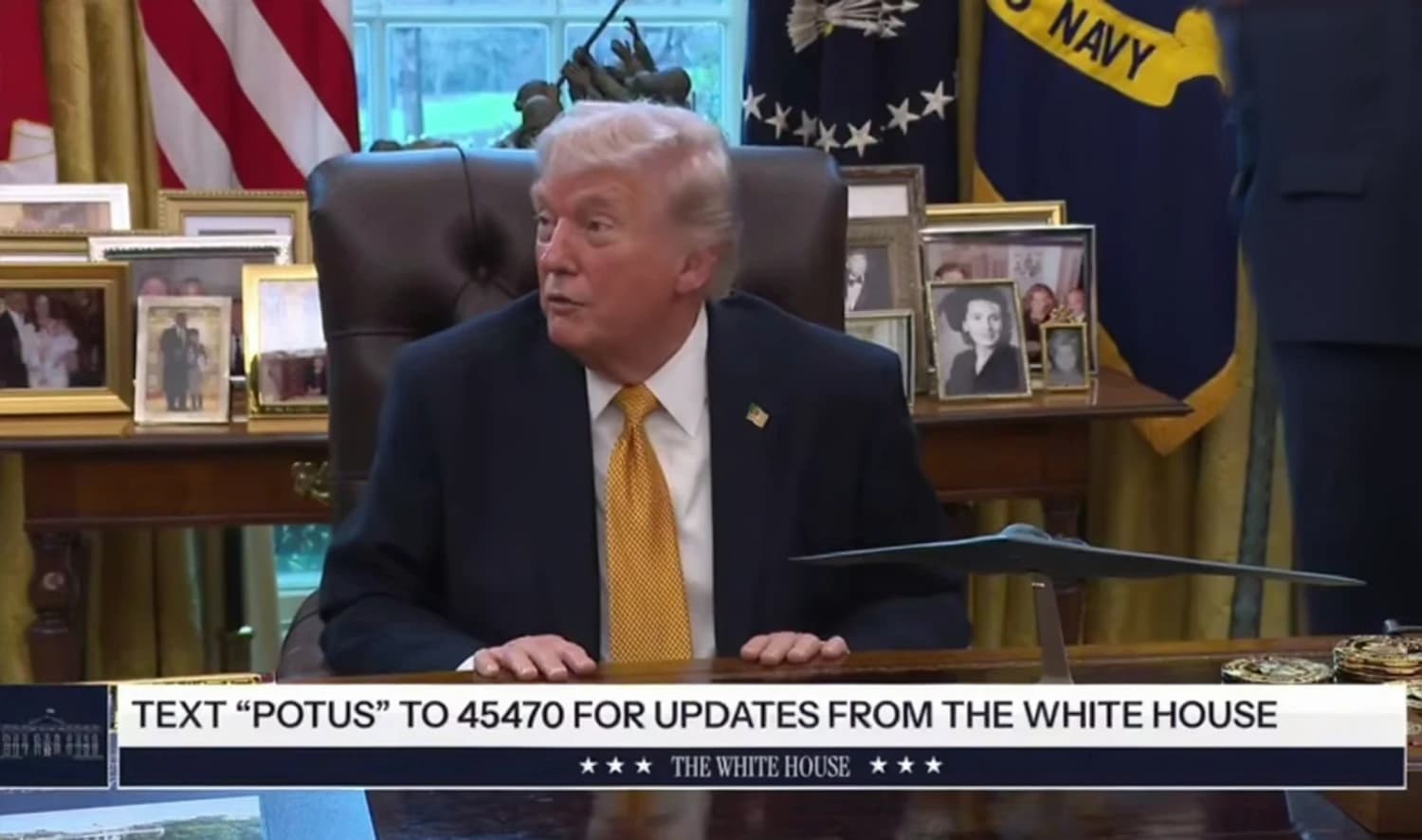
President Donald Trump announced on Monday, March 16, 2026, that White House Chief of Staff Susie Wiles has been diagnosed with early-stage breast cancer.
“She will begin treatment immediately, the president said”
The news broke through Trump's Truth Social post, where he described Wiles as having an "excellent" prognosis and praised her decision to begin treatment "IMMEDIATELY, as opposed to waiting."

Wiles, 68, confirmed the diagnosis in her own statement, revealing she was diagnosed "this past week" and expressing gratitude for her medical team.
The announcement marked a rare personal moment for an administration typically focused on policy and political combat, with Trump emphasizing both the seriousness of the diagnosis and his confidence in Wiles' recovery prospects.
Multiple outlets reported that Wiles had already begun treatment and would maintain her work schedule throughout the process.
Career Background
Susie Wiles serves as a pivotal figure in President Trump's administration, having risen from a Florida political strategist to become Trump's most trusted adviser.
Her appointment as White House Chief of Staff marked a historic milestone, making her the first woman to hold the position in U.S. history.

Wiles has been described as bringing "greater discipline to the White House" during Trump's second term while allowing the president to operate largely on his own terms.
Before joining the administration, she played a crucial role in managing Trump's successful 2024 campaign comeback and has been credited with assembling the current White House staff that remains deeply loyal to both the president and her.
Despite her powerful position, Wiles maintains a relatively low public profile compared to other high-ranking officials.
Treatment Plans
Despite her cancer diagnosis, Wiles has confirmed her intention to remain in her chief of staff role throughout her treatment process.
“By Adam Cancryn, CNN (CNN) — White House chief of staff Susie Wiles has been diagnosed with early stage breast cancer, President Donald Trump announced Monday”
Both the President and Wiles herself have emphasized her commitment to continuing her demanding schedule while receiving medical care.
Trump specifically stated that "during the treatment period, she will be spending virtually full time at the White House, which makes me, as President, very happy!"",
This indicates Wiles plans to minimize disruption to her administrative duties while undergoing what is expected to be several weeks of treatment in the Washington, D.C., area.
The decision to maintain her position reflects both her dedication to public service and the administration's reliance on her leadership during a period of significant political turbulence, including challenges related to the war in Iran, soaring oil prices, and upcoming midterm elections.
Political Support
The announcement of Wiles' diagnosis has elicited widespread expressions of support from across the political spectrum, with numerous colleagues and lawmakers publicly sending their well-wishes.
Vice President JD Vance posted on X that his family "is praying for our dear friend as she takes on her next fight!"

House Speaker Mike Johnson stated that "my family joins with everyone else in praying for our dear friend Susie to make a quick and complete recovery."
White House Press Secretary Karoline Leavitt praised Wiles as "one of the nicest people I've ever met" who "epitomizes what it means to be a strong leader."
Deputy Chief of Staff James Blair wrote that Wiles has "led President Trump's team through illegitimate indictments, domestic spying by the former administration, rigged federal prosecutions, illegal law enforcement raids, general lawfare, assassination attempts, & more" and expressed confidence that "she will win this battle with grace."
Senator James Lankford also posted his support, calling Wiles "one of the most remarkable leaders of our time" who is "a woman of great faith, intellect, and strength."
Medical Context
The diagnosis comes amid broader medical context regarding breast cancer, which is reported to be the most common type of cancer among women in the United States, excluding skin cancers.
“White House chief of staff Susie Wiles has been diagnosed with "early stage breast cancer" but remains committed to her job while undergoing treatment, President Donald Trump said Monday”
Medical statistics indicate that breast cancer mainly occurs in women who are middle-age and older, with the median age of diagnosis being 62.

According to the American Cancer Society, approximately 300,000 women in the U.S. will be diagnosed with breast cancer this year, meaning "nearly one in eight women in the United States will face this diagnosis" as Wiles herself noted in her statement.
Treatment options for early-stage breast cancer typically include surgery, radiation therapy, chemotherapy, hormone therapy, immunotherapy, and targeted drug therapy, depending on the specific type and stage of the cancer.
Wiles' decision to begin treatment "IMMEDIATELY" aligns with medical recommendations for early intervention, which generally offer better prognosis outcomes.
Historical Significance
As the first woman to serve as White House Chief of Staff, Susie Wiles' cancer diagnosis carries additional historical significance beyond its immediate personal and political implications.
Her appointment to the position represented a breakthrough in gender representation at the highest levels of presidential administration, breaking a long-standing barrier in American political history.
The fact that she continues to serve while undergoing treatment demonstrates her resilience and commitment to public service, potentially inspiring other women facing similar health challenges while maintaining demanding careers.
Wiles' historical role adds another layer to the public's understanding of her character and determination, as she navigates both her health challenges and her responsibilities as one of the most powerful women in Washington.
Her decision to remain in her position throughout treatment reinforces her reputation as a strong leader who has "led President Trump's team through illegitimate indictments, domestic spying by the former administration, rigged federal prosecutions, illegal law enforcement raids, general lawfare, assassination attempts, & more" as described by her deputy chief of staff.
More on USA
President Donald Trump Says He Can Do Anything He Wants With Cuba.
12 sources compared

Trump says US could reach Cuba deal as Cuba power grid collapses under oil blockade
10 sources compared

President Donald Trump asks seven nations to join coalition to police Iran's Strait of Hormuz
10 sources compared

Trump demands about seven countries send warships to keep the Strait of Hormuz open
20 sources compared