
Trump says US could reach Cuba deal as Cuba power grid collapses under oil blockade
Key Takeaways
- Cuba suffered an island blackout as the oil embargo disrupted its power grid.
- Trump said the United States could reach a deal with Cuba or take action.
- Trump vowed to take Cuba, saying he would have the honor to do so.
Trump's Cuba Threats
President Donald Trump has issued explicit threats against Cuba, declaring he believes he "will be having the honor of taking Cuba."
“At CNEWS, we respect your privacy, and it is thanks to personalized advertising that we allow you to receive high-quality information, at every moment and free of charge”
Trump suggested he can "do anything" he wants with the Caribbean nation, stating "Whether I free it, take it – think I could do anything I want with it."
Trump described Cuba as "a very weakened nation right now" in his remarks to reporters.
This marked one of his most direct threats against Cuba, coming amid the country's ongoing economic crisis.
When pressed whether this meant diplomacy or military action, Trump said: "Taking Cuba in some form, whether I free it, take it, I can do anything I want."
Trump expressed confidence in his ability to manage the situation, suggesting he would be "honored" to "take it" and equating liberating the island with taking control.
Power Grid Collapse
Cuba's power grid has experienced catastrophic collapse, with the national electric system suffering a "total disconnection" as reported by Cuba's Ministry of Energy and Mines.
The blackout left millions of Cubans without electricity at a time when daily power outages of up to 20 hours have become the norm in parts of the island.
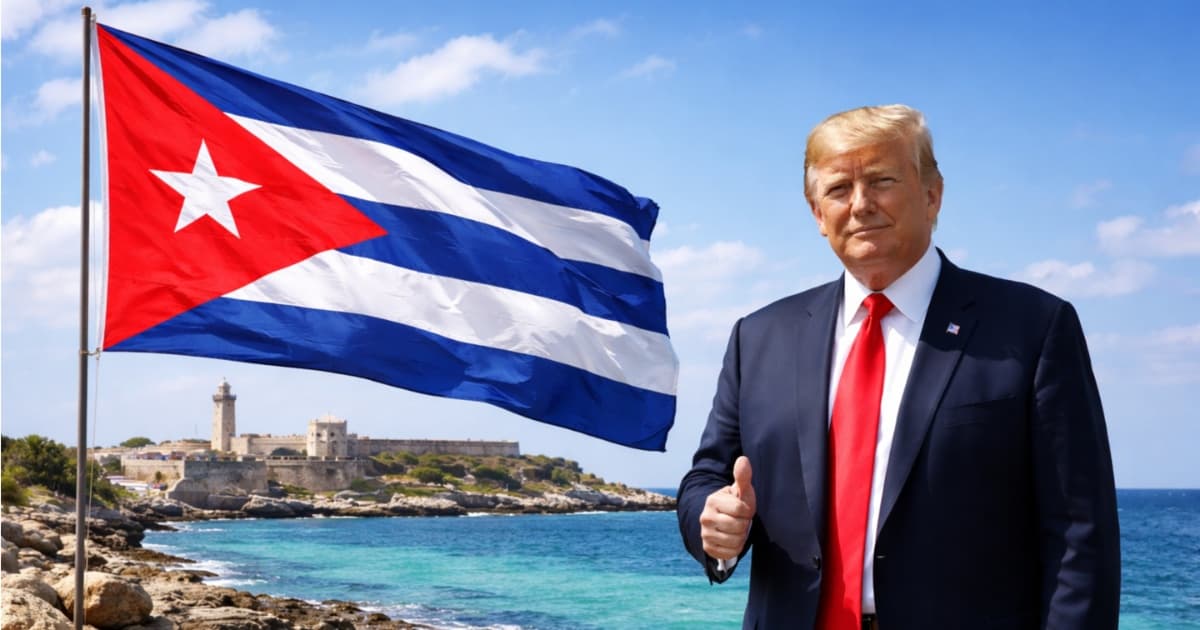
CNN reported that the blackout resulted from a "complete shutdown of the national grid," with work beginning to restore electricity flow.
Newsweek confirmed that the blackout left 11 million people living in Cuba without power.
The electricity crisis has severely impacted daily life across the country.
Cuban Deputy Foreign Minister Carlos Fernández de Cossío stated that "Officials in the US (government) must be feeling very happy by the harm caused to every Cuban family."
Oil Blockade Impact
The economic crisis in Cuba has been exacerbated by a US-enforced oil blockade that has cut off the island's energy supplies since January 9.
This blockade followed the ouster of Venezuela's President Nicolas Maduro on January 3, as Cuba's top oil ally was removed from power.
USA Today noted that Cuba's economic crisis has been "exacerbated by disruptions in imported oil, which the island relies on to run power plants and transportation networks."
CNN reported that President Miguel Díaz-Canel confirmed on Friday that "no oil had been delivered to the island in the last three months."
The oil blockade has forced authorities to impose rolling electricity outages across the country and limit public services.
Newsweek reported that Cuba produced about 40 percent of its own petroleum but that has not been enough to prevent shortages.
The impact extends beyond electricity, with airlines cancelling flights to Cuba due to fuel shortages, severely damaging the vital tourism sector.
Cuba-US Talks
Amid mounting pressure, Cuba has engaged in direct talks with the United States aimed at finding solutions to their bilateral differences.
President Miguel Díaz-Canel acknowledged in a video aired on state television that "These talks have been aimed at finding solutions through dialogue to the bilateral differences we have between the two nations."

In a bid to relieve economic pressure and meet US demands, Cuba's foreign trade minister and deputy prime minister, Oscar Pérez-Oliva Fraga, announced that Cuban exiles would now be able to invest and own businesses in Cuba.
Pérez-Oliva told NBC News that "Cuba is open to having a fluid commercial relationship with US companies" and "also with Cubans residing in the United States and their descendants."
However, The Assembly of the Cuban Resistance, a Miami-based group of Cuban exiles, rejected this opening.
The group's secretary general Orlando Gutiérrez-Boronat stated it is "vital to withhold investment now and wait for a truly free Cuba."
Cuban Protests
The severe economic conditions have sparked rare protests across Cuba, with residents of the central city of Morón taking to the streets.
“US President Donald Trump vowed Monday to "take" Cuba as the communist island plunged into darkness under a total power blackout linked to a crippling oil embargo imposed by Washington”
Protesters demonstrated against problems with electricity supply and access to food.
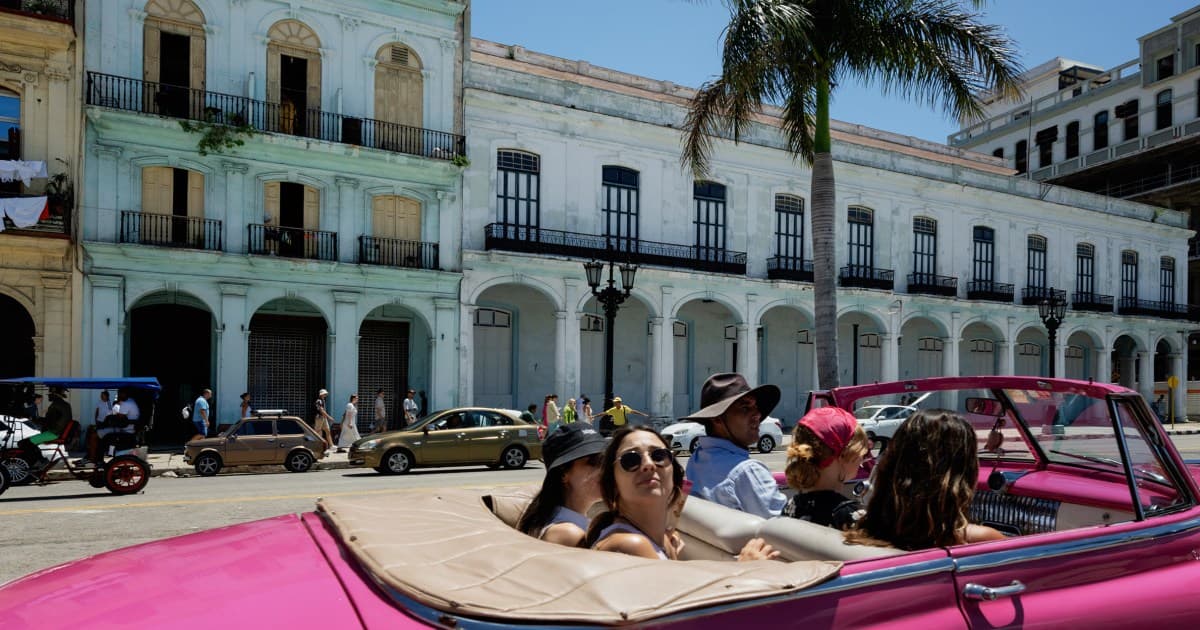
Newsweek reported that anti-government protesters attacked a Communist Party office in central Cuba, in a rare outburst of public dissent triggered by blackouts.
CNN documented that video images shared on social media showed people throwing projectiles at the Communist Party headquarters.
Protesters also set ablaze furniture apparently ransacked from the office during the demonstrations.
Norges Rodríguez of YucaByte, a Miami-based website on Cuban affairs, told Washington Post that "Every night for 10 days they have gone out to protest in a different area of the country because of the blackouts."
Rodríguez noted that "This is the first time they have protested so many consecutive days in a row."
The government has responded with repression, with Rodríguez noting that "The repression has not stopped."
Cubans have also lit piles of trash ablaze to protest the suspension of garbage collection.
Future Outlook
Trump has indicated that developments in the US-Cuba relationship may come quickly, suggesting that a deal could be reached soon.
Trump mentioned that developments could come after the administration finishes its war against Iran.
"Cuba also wants to make a deal, and I think we will pretty soon either make a deal or do whatever we have to do," Trump told reporters on Air Force One.
Le Monde reported that Trump said Cuba "wants to make a "deal," which could come quickly after his administration has finished the war against Iran.
While a White House official emphasized a deal, telling The Washington Post that "As the President has stated, we are talking to Cuba, whose leaders should make a deal, which he believes 'would be very easily made,'"
significant differences remain between the two governments.
The situation remains fluid as Cuba faces one of its most severe economic crises in decades.
Regional allies and investors are watching closely for signs of a policy shift that could affect the entire Caribbean region.
More on USA
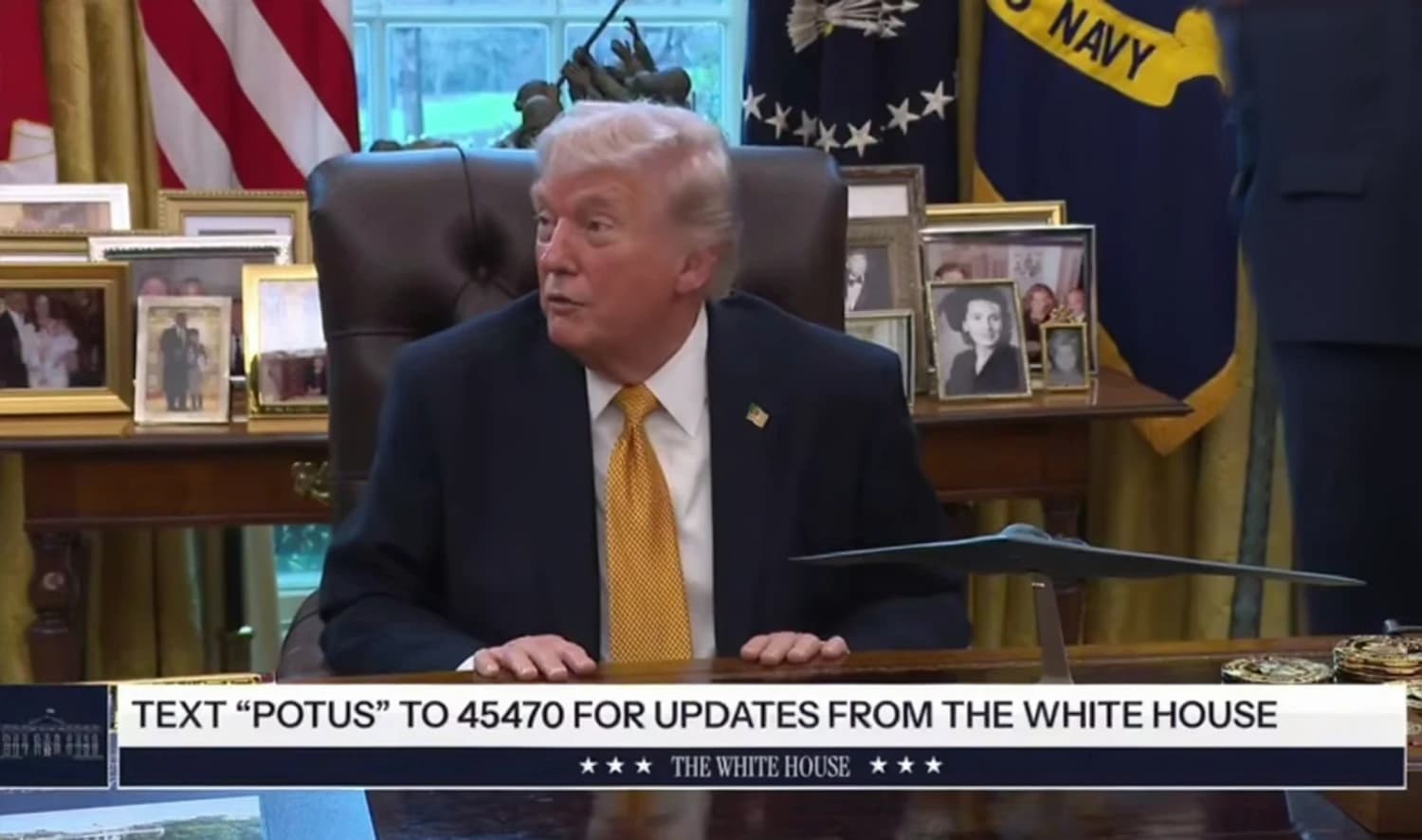
President Donald Trump Says He Can Do Anything He Wants With Cuba.
12 sources compared

President Donald Trump asks seven nations to join coalition to police Iran's Strait of Hormuz
10 sources compared
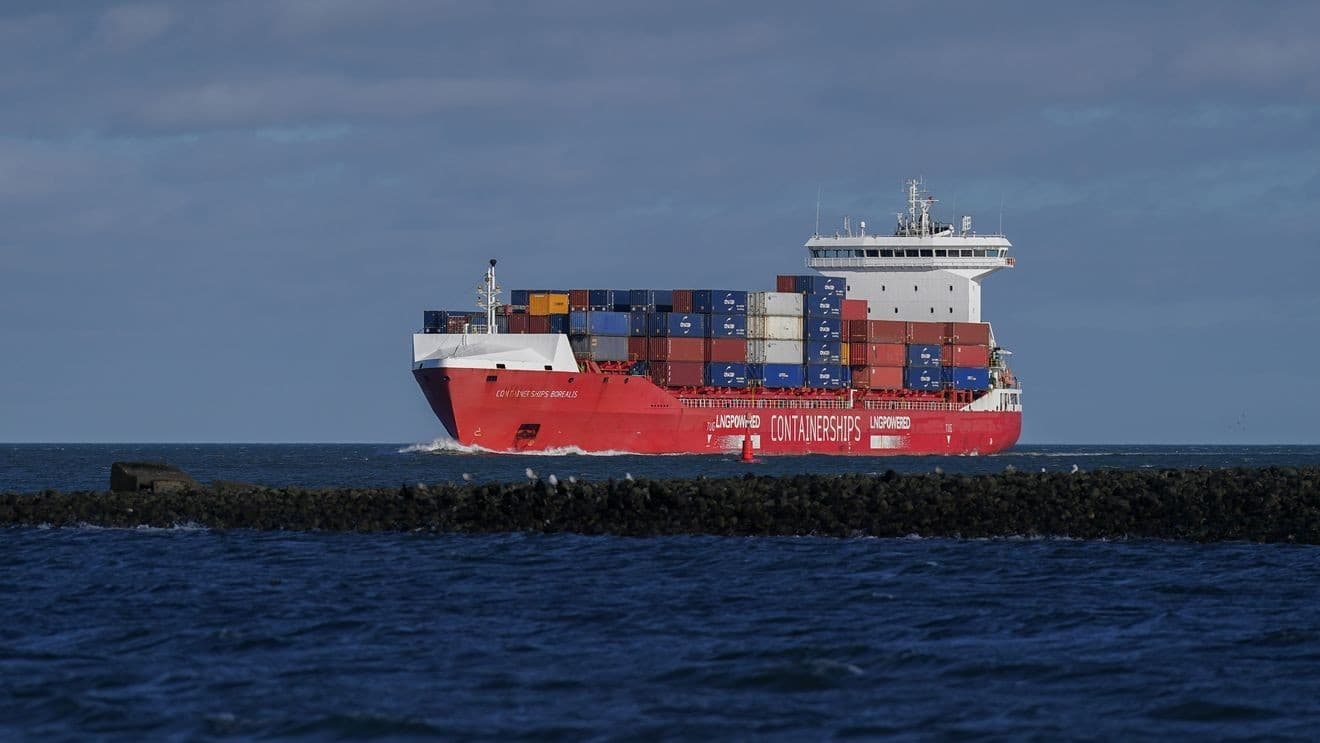
Trump demands about seven countries send warships to keep the Strait of Hormuz open
20 sources compared
White House Chief of Staff Susie Wiles Diagnosed With Early-Stage Breast Cancer
30 sources compared