Gaza Genocide19 October, 20254 min read
Trump Envoy Witkoff Pushes Ukraine to Surrender Donetsk to Russia
Trump envoy Steve Witkoff pressured Ukraine to cede Donetsk region to Russia. Witkoff justified ceding Donetsk by citing its predominantly Russian-speaking population.

18 outlets told this the same way.
Outlets did split on Israel Marks Oct. 7 Anniversary With Strikes on Gaza, Netanyahu Faces Election After Nova Tribute →
Diplomatic Pressure on Donetsk Region
Multiple outlets report that Trump’s envoy Steve Witkoff pressed Ukraine to consider surrendering the Donetsk region to Russia, justifying it by saying Donetsk is mostly Russian-speaking. Ukrinform, citing the Washington Post, reports Witkoff “pressed the Ukrainian delegation to consider handing over the Donetsk region,” echoing a Kremlin talking point that Ukrainian and European officials view as sympathetic to Moscow. Українські Національні Новини similarly reports Witkoff urged ceding Donetsk and notes officials contest the language rationale, emphasizing that many Ukrainians, including Zelensky, speak Russian without supporting Moscow and that post-2014 most Ukrainians shifted toward Ukrainian.
“Trump envoy Steve Witkoff pressed the Ukrainian delegation to consider handing over the Donetsk region... echoing a common Kremlin argument...”
WION includes this claim in a broader roundup on the war. RBC-Ukraine adds that earlier Alaska-talks reports hinted at possible Russian withdrawals from some regions in exchange for control of Donetsk but later clarifications said Moscow’s demands “remain unchanged,” underlining how Donetsk is central to Russia’s endgame.

Trump-Zelensky Meeting Outcomes
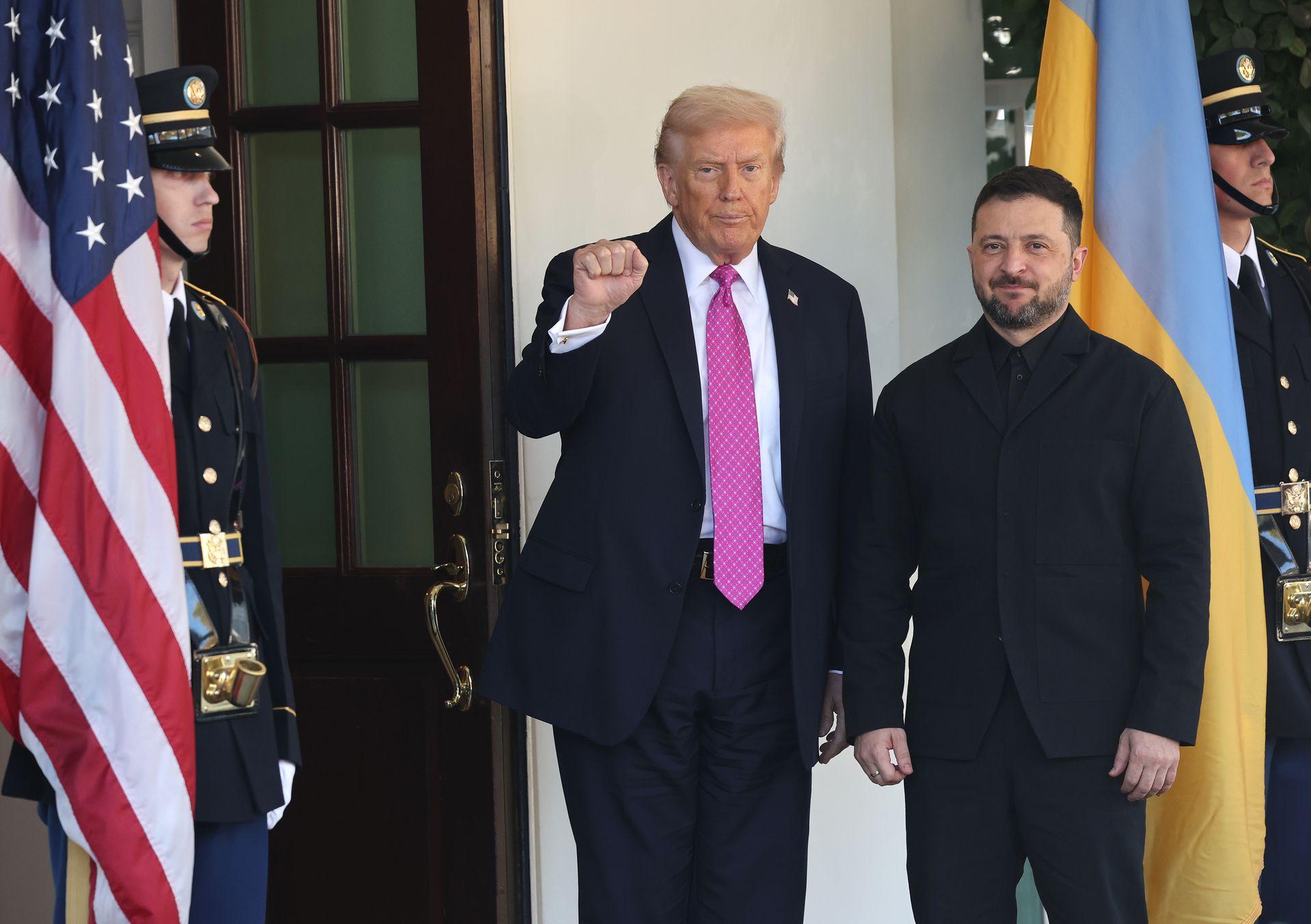
Accounts of the Trump–Zelensky meetings reinforce the picture of pressure without firm U.S. military commitments. Ukrinform reports senior officials saying Putin told Trump he would only consider ending the war if Ukraine fully relinquished Donetsk, underscoring the stakes. Українські Національні Новини says Witkoff, the White House’s main contact with the Kremlin before the Anchorage meeting, contributed to misunderstandings about Russia’s demands.
WION notes Zelensky met Trump and returned without assurances on military aid like Tomahawk missiles. Ensegundos.do adds that after a lengthy White House meeting Trump declined to commit to Tomahawks and urged Zelensky and Putin to stop the killing and reach an agreement. The Kyiv Independent describes tense but cordial talks, no concrete agreements, and Zelensky’s proposal to trade Ukrainian drone technology for U.S. missiles as another sign that Washington offered no firm hardware in exchange for any territorial concessions.

Diplomatic Efforts on Trump-Putin Summit
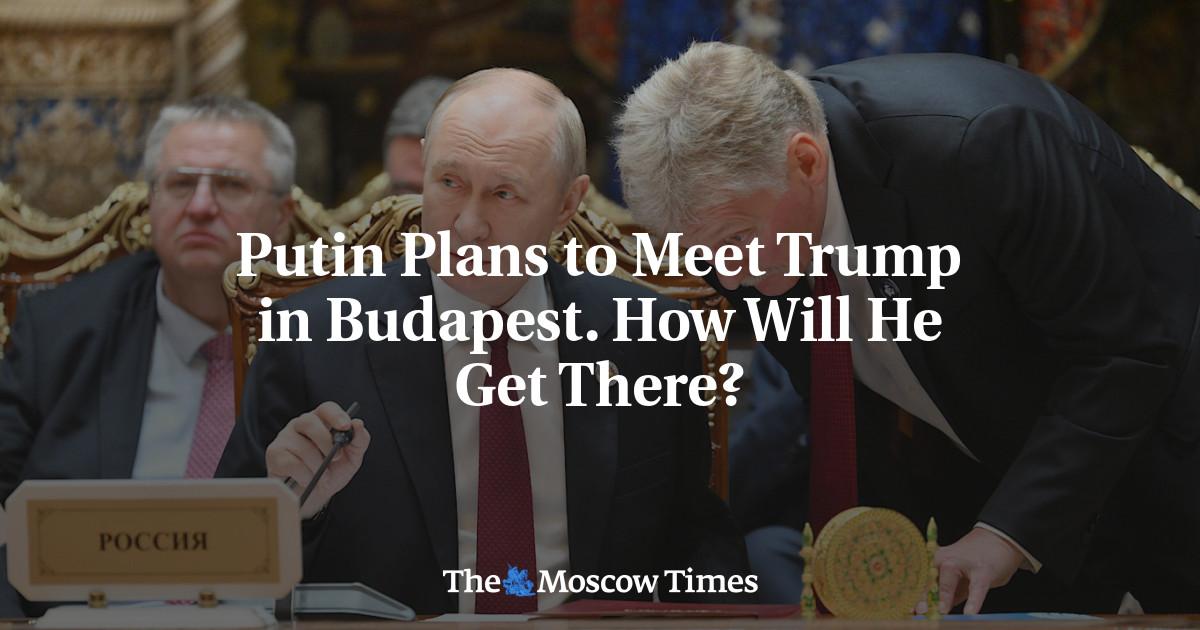
The stakes around Donetsk are wrapped up in a larger, fast-moving diplomatic track centered on a proposed Trump–Putin summit in Budapest. Al Jazeera highlights that Hungary’s plan to withdraw from the Rome Statute could offer Putin safer travel despite the ICC warrant, underscoring the court’s limited enforcement power. The Moscow Times reports the Kremlin confirmed Trump proposed the Budapest meeting and that the EU welcomed the talks, noting Putin is under asset freezes but not a travel ban.
“Hungary's intention to withdraw from the Rome Statute... could provide safe passage for Vladimir Putin despite Hungary being an ICC signatory.”
The BBC stresses the logistical and diplomatic hurdles, with EU and NATO airspace bans forcing a complex route and permissions. Espreso.tv details likely flight corridors and says the U.S. is expected to help negotiate airspace access, framing Hungary, under Orbán, as pro-Russian and eager to host. RBC-Ukraine says Washington replaced Witkoff with Secretary of State Marco Rubio to lead preparations and will hold more lower-level meetings than before the failed Alaska talks—changes welcomed by Kyiv and Europe.
Diplomatic Reactions to Witkoff's Role
Reactions to Witkoff’s role are influenced by his involvement in Israel-Hamas diplomacy. Jewish Insider reports that critics of Netanyahu say comments by Jared Kushner and Scott Witkoff reveal Netanyahu was reluctant to enter a ceasefire-hostage deal and was pressured into it by Donald Trump. Protest leader Nava Rozolyo thanked Americans for “forcing the deal.”
The New York Post reports Witkoff and Kushner felt “betrayed” by Israeli airstrikes in Doha that targeted senior Hamas leaders during ongoing negotiations. These strikes undermined trust with Qatar and sent Hamas underground, complicating diplomacy.
By contrast, Haaretz describes Trump visiting Israel as living hostages were returned from Gaza, marking “the end of the war.” Haaretz also reports a subsequent signing ceremony in Egypt with Arab and European leaders, presenting an optimistic view that differs from reports of Israeli strikes during talks.
Reactions to Donetsk and Budapest Talks
Ukrainian and European reactions to the Donetsk push and the Budapest track show anxiety and resistance to concessions. The Kyiv Independent reports that Kyiv and Europe are concerned about a Trump–Putin summit in Budapest and that the Ukrainian side was unaware of a possible joint meeting. Meanwhile, Russia escalates attacks on Ukrainian infrastructure.
“Trump plans a summit with Putin in Budapest, raising concerns in Kyiv and Europe... Russia continues intensified attacks on Ukrainian infrastructure.”
El País argues that Hungary’s facilitation of a Budapest meeting weakens the EU stance, recalls the Budapest Memorandum’s violated guarantees, and benefits Orbán and Putin politically. The BBC underscores that despite EU support for peace talks, sanctions and airspace bans still apply. Al Jazeera stresses the International Criminal Court’s weak enforcement.
Ukrinform reiterates Donetsk’s strategic centrality as a bulwark against further Russian advances, rejecting the logic of surrender. WION’s roundup adds that the UK is reviewing defense spending to sustain aid to Ukraine, suggesting Europe is preparing for a protracted war rather than territorial concessions.