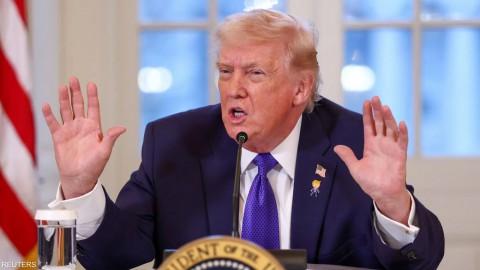
Trump Extends Iran Cease-Fire Deadlines as Strait of Hormuz Stalemate Persists
Key Takeaways
- Cease-fire deadlines have been extended as Trump seeks to end the conflict.
- Iran maintains leverage over the Strait of Hormuz, hindering U.S. exit options.
- Media framing shows Trump unable to secure exit amid ongoing Hormuz stalemate.
Cease-fire, Strait, and Delay
The Iran conflict described by The Atlantic has dragged on as President Trump repeatedly extended his cease-fire deadlines and, about three weeks ago, Iran briefly reopened the Strait of Hormuz.
The Atlantic says Trump’s administration abruptly abandoned an effort to escort ships through the strait because of a fear it could provoke violent, escalating confrontations, leaving Washington waiting for Iran to respond to a one-page memorandum of understanding.

CNN reports the war was meant to last no more than a month and a half and is now grinding into its 10th week, with Trump trapped by Iran’s leverage over the Strait of Hormuz and Iran’s refusal to fold.
CNN adds that the latest hope is a one-page memo now being negotiated with the two countries and third-party mediator Pakistan, and that the document would end the war and start a 30-day clock to resolve sticking points.
The Atlantic frames the immediate context as a stalemate after an initial U.S.-Israel onslaught that killed Iran’s supreme leader and included waves of bombings, followed by Iran attacking Persian Gulf neighbors and seizing control of the Strait of Hormuz.
Competing Narratives and Criticism
In a PBS NewsHour discussion, Jeffrey Goldberg described the Iran war as “in a kind of state of suspended animation,” noting that on Thursday U.S. forces struck Iranian targets after two U.S. destroyers were attacked in the Strait of Hormuz.
PBS quotes President Trump calling the U.S. response a “love tap” and saying the exchange of fire did not represent a break in the ceasefire, even as the panel debated what the fighting actually means.

CNN says Trump is stuck as approval ratings are in the 30s, gas prices are averaging over $4.50 a gallon, and public opposition to the war is rising, narrowing his options at home.
In The Atlantic’s account, five aides and outside advisers told the outlet the president is convinced he can sell any sort of agreement as a win, but that he “can’t even get Iran to the negotiating table.”
The Atlantic also reports that one outside adviser said the president is “bored” with the war, while others believe he is frustrated at Iran’s intransigence.
What’s at Stake Next
The Atlantic warns that if Iran continues to keep the strait closed, then prices will continue to rise in the West, including in the United States during a midterm-election year, turning the conflict into a question of which side can withstand economic hardship.
“Is the United States still at war with Iran”
CNN similarly ties the exit problem to domestic politics, saying Trump has no political space to continue waging the war as public opposition rises and the war’s political impact narrows his options.
In The Atlantic’s framing, U.S. officials believe a naval blockade of Iran’s ports installed last month is working and squeezing the country’s economy, but the outlet also cites a U.S. intelligence assessment suggesting Iran could withstand pressure for at least three or four more months.
CNN adds that Iran’s demands include huge sanctions relief to revive its economy and its desire to profit from the passage of oil and gas tankers through a strait it has turned into a major strategic advantage.
The Atlantic concludes that patience is not Trump’s strength, and it says Republicans have been inundated with complaints about rising prices, particularly at the gas pump, as they watch the conflict’s length.
More on Iran

Marco Rubio Says U.S. Awaits Iran Response On Interim Ceasefire As Strait of Hormuz Sees Calm
10 sources compared
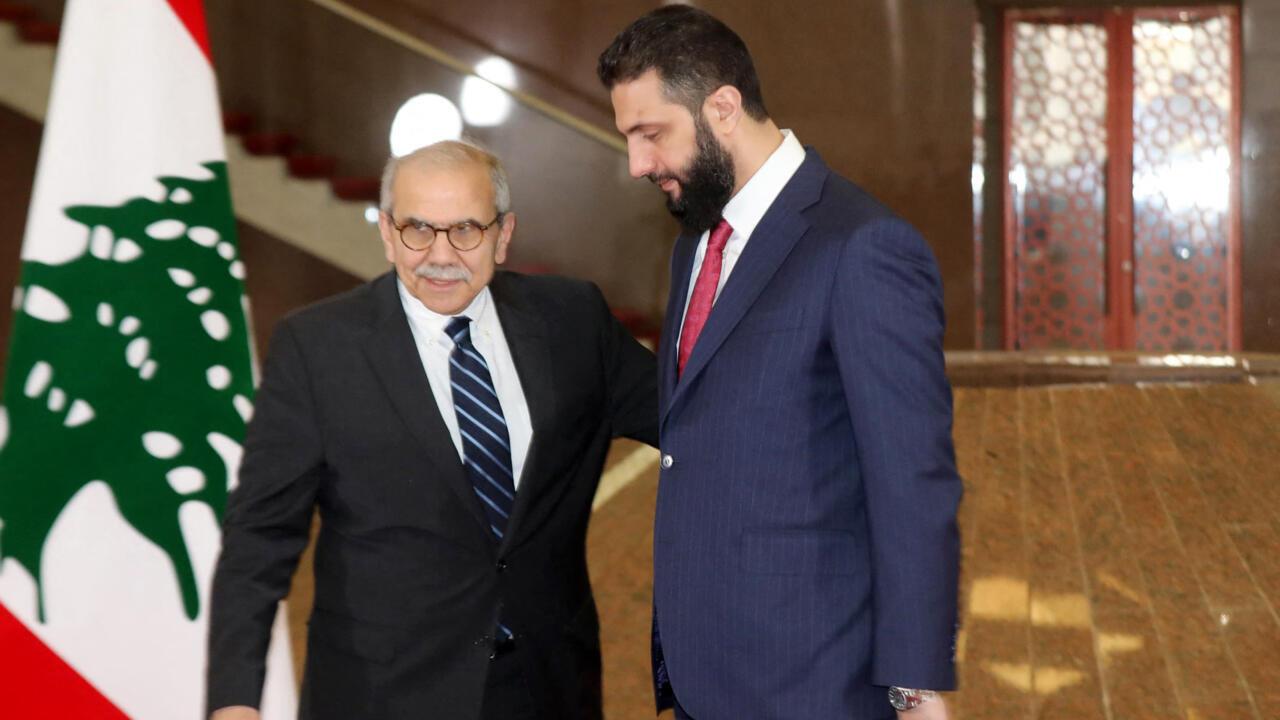
Nawaf Salam Meets Ahmed al-Sharaa in Damascus, Says Significant Progress on Security and Transport
24 sources compared

US Intelligence Says Mojtaba Khamenei Shapes Iran’s War Strategy and Negotiations With Washington
16 sources compared
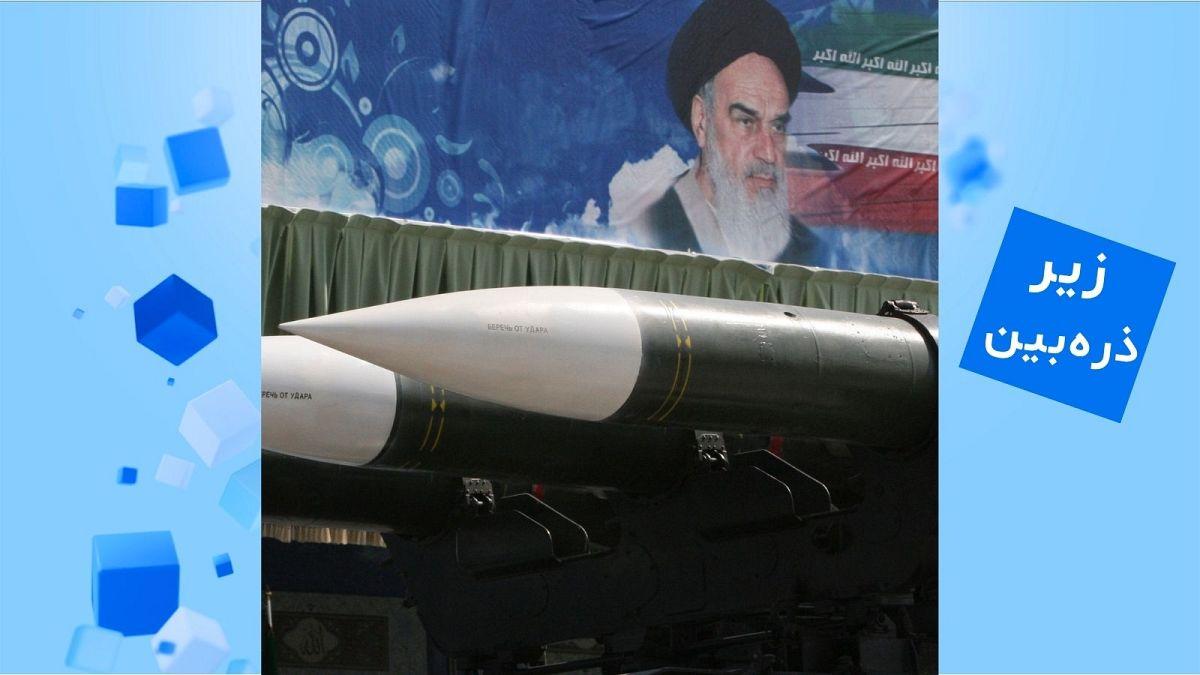
Joe Kent Says U.S. Intelligence Agreed Iran Was Not Developing Nuclear Weapons
12 sources compared