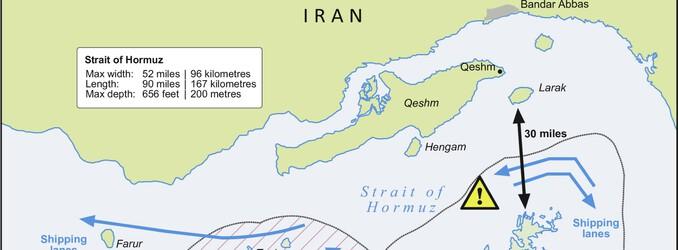
Trump Extends Iran Naval Blockade Indefinitely, With George H. W. Bush Carrier Due
Key Takeaways
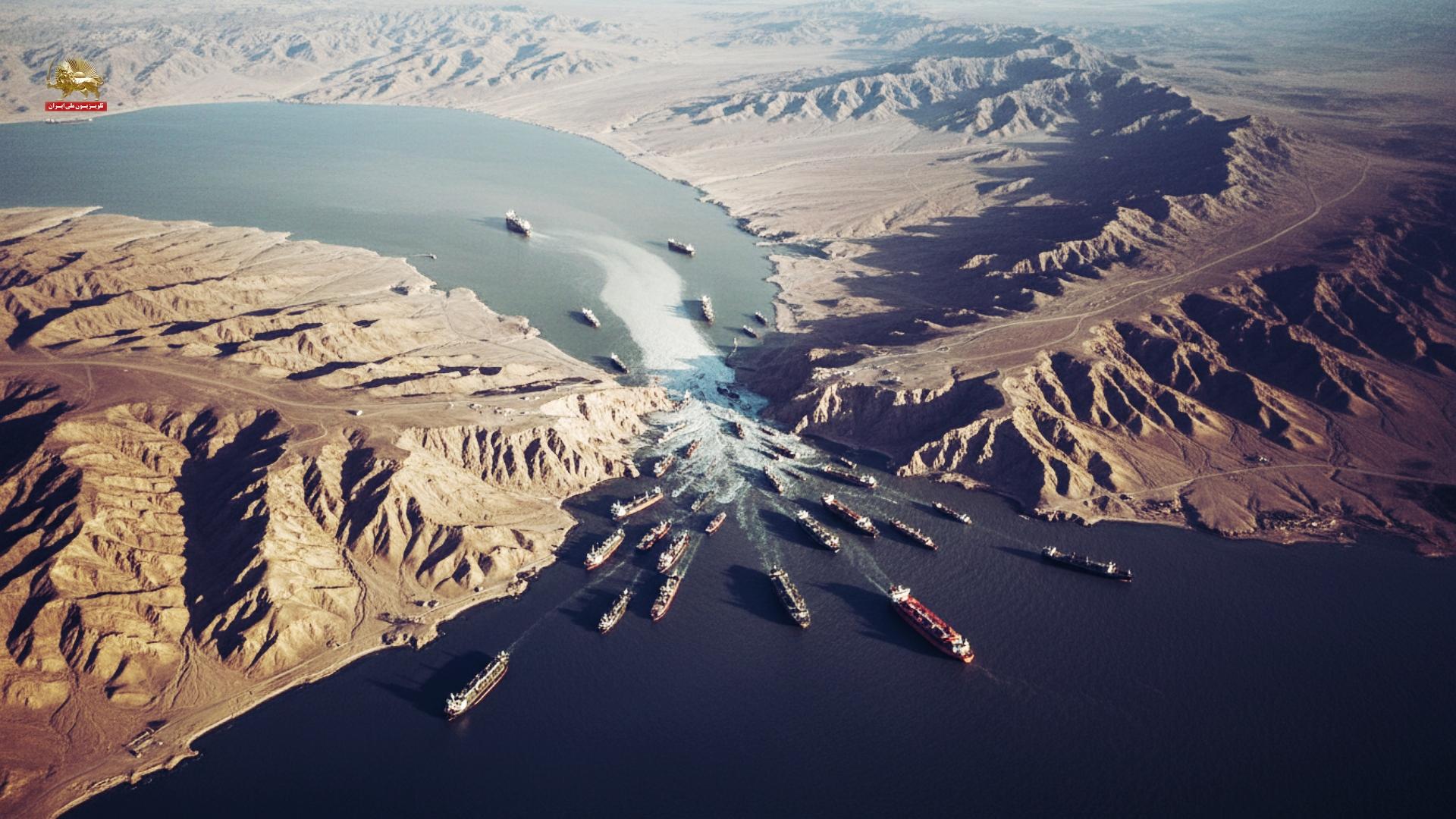
- Blockade extended and continuing; Strait of Hormuz remains effectively closed amid naval pressure.
- Iran seizes ships in Strait of Hormuz, escalating disruption to global shipping.
- Pakistan pushes for talks; no firm deadline for ending the war.
Blockade Extended, Escalation Looms
Donald Trump’s decision to extend the naval blockade of Iran indefinitely is portrayed by The Guardian as both an admission that US military escalation “comes with greater risk” and as a move that may not reduce world oil prices.
The Guardian says a third US carrier strike group, the George HW Bush, is “due to arrive in the Middle East within days after rounding South Africa,” while a second taskforce of “2,500 US marines” is “due to arrive by the end of April.”

It also reports uncertainty about how long the USS Gerald R Ford can remain in the Red Sea, noting the carrier “has been at sea for more than 300 days.”
The Guardian frames a possible US plan to seize Iran’s Kharg Island oil terminal, describing it as where “90% of the country’s oil exports are loaded,” and linking that scenario to “the 2,000 paratroopers from the 82nd Airborne Division” or to marines not engaged in blockade enforcement.
Yet The Guardian argues that even if seizing Kharg might be “relatively straightforward,” holding it and keeping troops supplied “for months” would be more complex.
In parallel, Radio Free Europe/Radio Liberty says the US imposed the naval blockade “since April 13” to pressure Iran into a peace deal, and it reports that Iran has refused to negotiate unless Washington lifts the barricade.
PBS, meanwhile, emphasizes that Iran “choked off a crucial trade route for energy shipments,” and argues that the longer the standoff persists, “the more the global economy will suffer.”
What the Blockade Is Doing
Radio Free Europe/Radio Liberty describes the blockade’s impact as mixed, saying it has “intensified pressure on Iran’s already battered economy” but “has yet to force Tehran into making concessions.”
It reports that Iran has refused to come to the negotiating table unless the United States lifts the barricade, which “targets Tehran’s lucrative oil revenue,” and it links the embargo to Iran’s “effective closure of the Strait of Hormuz” since the war began on February 28.

The article says the US Navy fired on and seized an Iranian cargo vessel on April 19 in the Gulf of Oman, and two days later the US military seized a second ship in the Indian Ocean.
It also states that US Central Command said US forces have “directed 31 vessels to turn around or return” to Iranian ports as part of the blockade.
At the same time, Radio Free Europe/Radio Liberty reports that “dozens of Iran-linked tankers have managed to bypass the barricade,” citing Vortexa’s claim that “at least 34 Iran-linked tankers have circumvented the barricade.”
It adds that Vortexa said “around 10.7 million barrels of Iranian oil crossed through the Strait of Hormuz and exited the area blockaded by the US Navy between April 13 and 21,” while the US military rejected the data.
The BBC’s analysis similarly frames the blockade as a “gamble,” quoting retired US Navy Admiral Mark Montgomery saying: “The risks here are lower than they are in the very narrow part of the strait.”
The BBC also reports CENTCOM’s claim that the blockade “will be applied impartially to ships of all states entering Iranian ports or coastal areas or leaving them,” and it notes that ships carrying humanitarian aid “will be allowed to pass, but they 'will be subject to inspection.'”
Competing Claims and Political Pressure
The Hill reports a direct dispute over whether Iranian ships are bypassing the blockade, saying the Pentagon “denied a report by shipping journal Lloyd’s List of 26 Iranian shipsbypassingthe U.S. naval blockade in the Strait of Hormuz.”
It quotes Pentagon spokesperson Sean Parnell denying the breach, saying: “First of all this is false,” and “Second, a Dem senator cheering on the number one state sponsor of terror is shameful.”
The Hill says Lloyd’s List claimed the 26 ships “passed the blockade line since the US moved to stop traffic to andfrom Iranian ports on April 13,” and it adds that “Almost half of the 26 tankers passed the blockade before the US widened its terms to include Iranian crude and product under the ‘contraband’ category.”
The Hill also reports that Lloyd’s List said “12 shadow fleet vessels breached the US blockade after the terms were widened on April 16,” and it notes that the Wall Street Journal reported “more than two dozen Iran-linked ships” evaded the blockade.
In response to the Lloyd’s List findings, The Hill says the Pentagon official asked for comment replied only that it was “false,” while US Central Command said it has “directed 28 vessels to turn around or return to port since the blockade was enforced.”
The BBC’s analysis adds another layer by describing how the blockade is being tested in real time, with Lloyd’s List editor-in-chief Richard Mead saying: “We have seen some diversions and returns after Trump's initial announcement last night.”
BBC also quotes Mead on navigation volume, saying “about 30 trackable voyages” were recorded as the “past 48 hours” became “the busiest period of navigation through the Strait of Hormuz since the war began in late February.”
Meanwhile, CNN Arabic reports that US Vice President J.D. Vance accused Iran of “economic terrorism” by closing the Strait of Hormuz and defended the blockade of Iranian ports as a “corresponding response.”
CNN Arabic quotes Vance saying: “If the Iranians attempt to practice economic terrorism, we will adhere to the simple principle of not allowing any Iranian ship to depart.”
Iran’s Response and the Ceasefire
Several reports describe Iran’s stance as refusing to reopen the Strait of Hormuz while the US maritime blockade remains in place.
SWI swissinfo.ch says Iran announced that “the Strait of Hormuz will remain closed as long as the U.S. maritime blockade remains in place,” and it reports that Iran accused Washington of violating the ceasefire agreement even as Trump announced a unilateral extension.
SWI quotes Iranian Parliament Speaker Mohammad Bagher Ghalibaf posting on X that “there is no meaning to a full ceasefire while the breach represented by the naval blockade holds the global economy hostage,” and it adds that he said reopening the strait would not be possible under “this blatant violation of the ceasefire.”
SWI also reports that the Islamic Revolutionary Guard Corps announced on Wednesday that its naval forces detained two container ships attempting to pass through, and it identifies them as MSC-FRANCESCA under the Panamanian flag and EPAMINODAS under the Liberian flag.
It further says MarineTraffic noted the two ships were last seen near the Iranian coast facing the strait, northeast of Oman, and that Panama confirmed the seizure of MSC-Franceska while the Panamanian Foreign Ministry accused Tehran of causing a serious attack on maritime security.
The same SWI report says White House spokesperson Caroline Levit told reporters that Trump did not set a final date to receive an Iranian proposal, and it quotes her response to whether the blockade violated the ceasefire: “no, because they are not American ships, nor Israeli ships; they are international ships.”
Morocco World News similarly reports that Iran’s IRGC announced on Wednesday that it seized two vessels in the Strait of Hormuz and said the ships were taken for “disrupting order and safety.”
It also says Iran called the blockade an “act of war” and that Iranian officials insist they will not return to negotiations unless the blockade is lifted.
In the background of these exchanges, PBS notes that Iran rejected Trump’s demands to reopen the strait, where “20% of the world's oil normally flows,” and it says Iran has been firing on ships again this week.
Global Stakes and Future Moves
Across the reporting, the blockade is repeatedly tied to global economic risk and to uncertainty over what comes next in negotiations.
PBS says Iran’s leverage over the Strait of Hormuz gives it power during a “shaky ceasefire,” and it argues that “the widening economic risks, especially higher U.S. gas prices in an election year, could force the Republican president to end the blockade on Iran's ports and coastline.”
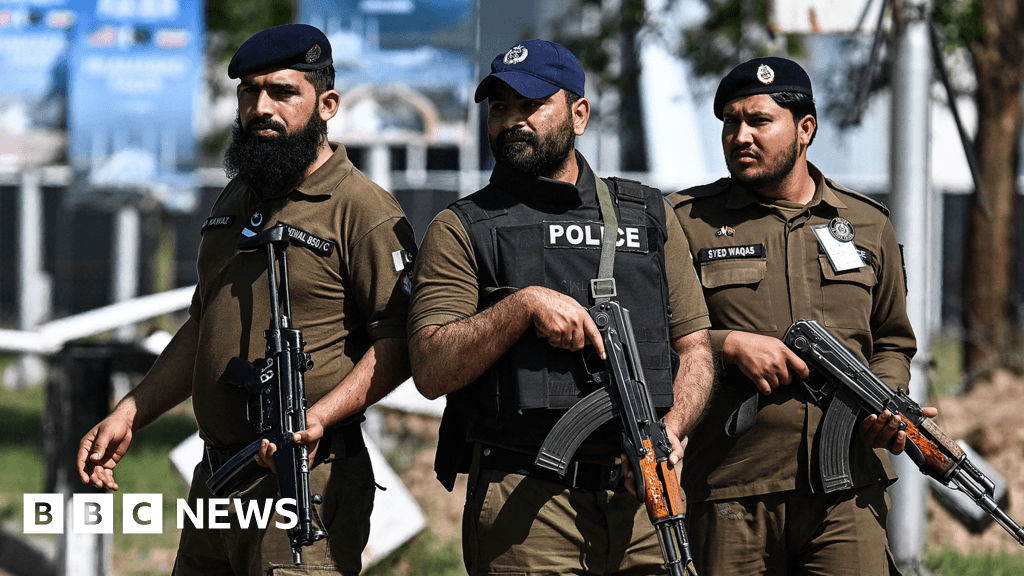
PBS also quotes Max Boot saying: “It's really a question now of which country, the U.S. or Iran, has a greater pain tolerance,” and it reports that the blockade’s effectiveness is “very much up for debate.”
The BBC’s analysis similarly warns that “any new blockade is likely to push oil prices higher,” quoting David Satterfield saying: “They believe they can endure that, that the United States would be harmed by higher oil prices, and that Gulf states will eventually pressure Washington to reopen the Strait.”
The BBC also describes the blockade as a confrontation between two blockades, stating: “the war with Iran, for now, has become a confrontation between two competing blockades, while the global economy finds itself stuck in the middle.”
Radio Free Europe/Radio Liberty adds a quantitative framing by reporting that Iran exported an estimated “1.8 million barrels of oil per day in March,” but that the figure has plummeted to a “literal trickle” in recent days, while also noting the estimate that “up to 130 million barrels of Iranian oil” were already out at sea before the barricade came into effect.
It also reports that Trump has claimed the blockade is costing Iran “around $500 million a day,” and it quotes Rosemary Kelanic saying: “That's a big loss for peacetime conditions -- but not so bad considering Iran is at war.”
The Guardian, meanwhile, emphasizes that the US may face limits in munitions inventories, citing US Center for Strategic and International Studies estimates that the US fired “more than 850 Tomahawk cruise missiles” and “out of 3,100” and “over 1,000 JASSM air-to-ground missiles” and “out of 4,400,” while noting that “Somewhere between 190 and 290 Thaad ballistic missile interceptors were used out of 360.”
Finally, the BBC notes that the blockade is being extended while talks remain uncertain, describing “reports of a Chinese role in persuading Iran to participate in this week’s extended diplomatic talks in Islamabad,” and it concludes that Trump’s move is “a gamble—and its fallout may begin to appear soon.”
More on Iran
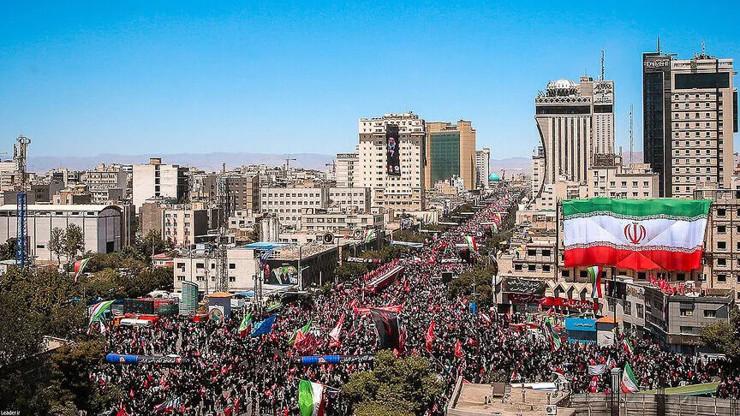
Israeli Strike Kills Ayatollah Ali Khamenei, Buried at Imam Reza Shrine in Mashhad
19 sources compared
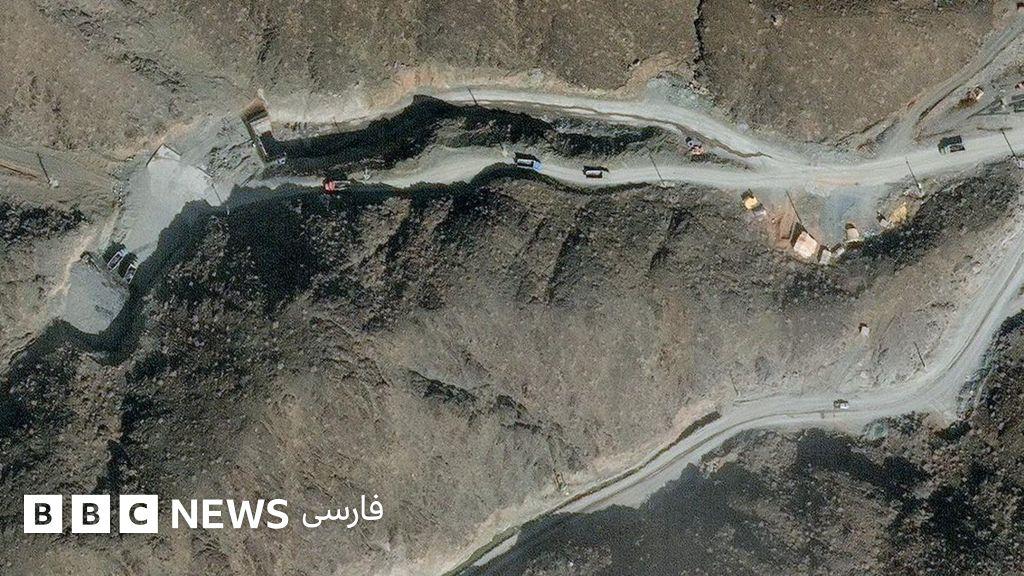
Iran Attempts To Restore Nuclear Sites Damaged In US And Israel Strikes, CNN Satellite Images Show
15 sources compared
Abbas Araghchi and Prince Faisal Bin Farhan Discuss Regional Developments After US Attacks
11 sources compared

Trump Says U.S. Agreed to Continue Iran Talks, Ceasefire Is Over
19 sources compared