Business26 September, 20252 min read
Trump Imposes 100% Tariff on Pharmaceuticals and Levies on Trucks and Furniture
A 100% tariff on branded or patented pharmaceutical imports starts October 1, exempting companies building US plants. A 25% tariff will apply to imported heavy-duty trucks to protect domestic manufacturers.

59 outlets told this the same way.
Outlets did split on CATL Starts Trial Production at Debrecen Battery Cell Plant in Hungary →
New U.S. Tariffs Announcement
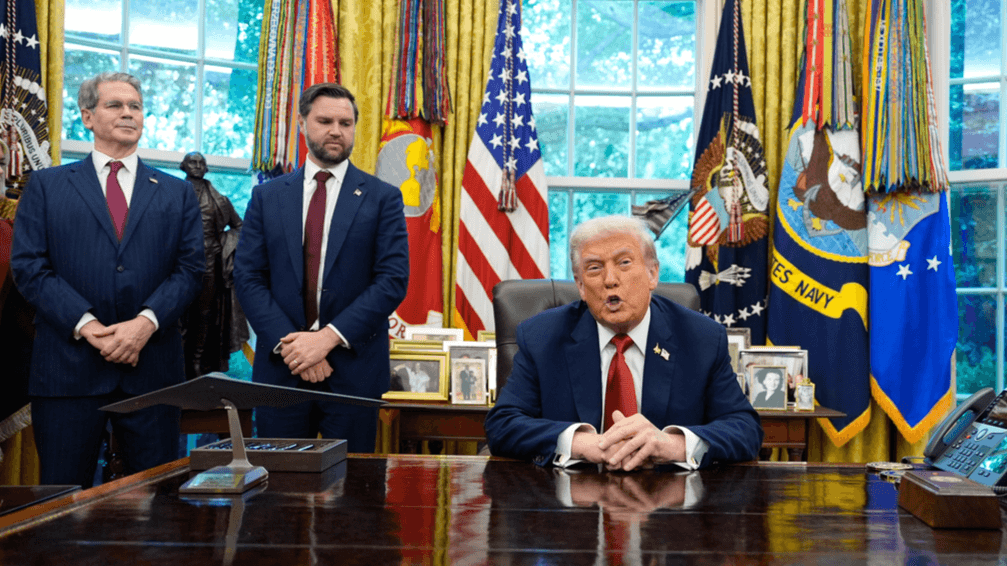
President Donald Trump has announced a new set of tariffs, effective October 1, targeting several key imports to the United States. These include a 100% tariff on branded or patented pharmaceuticals unless companies establish manufacturing plants in the U.S. There is also a 25% tariff on heavy trucks, a 50% tariff on kitchen cabinets and bathroom vanities, and a 30% tariff on upholstered furniture.
“These tariffs, based on Section 232 trade laws, aim to protect US manufacturing but have led to stock declines and inflation concerns.”
The administration justifies these tariffs under Section 232 trade laws, citing national security concerns and the need to protect domestic manufacturing. The tariffs are part of a broader strategy to renegotiate trade deals and exert political pressure. The administration projects tariff revenue to reach $300 billion by year-end.
Impact of Drug Tariffs
The pharmaceutical industry is particularly affected by the 100% tariff on branded drugs, which aims to encourage companies to build manufacturing plants in the U.S. This move has been met with opposition from industry groups like the Pharmaceutical Research and Manufacturers of America, who argue that most medicine ingredients are already sourced domestically or from allied countries.
The tariffs have caused significant declines in pharmaceutical stocks across Asia, with companies like Sun Pharma and Samsung Biologics experiencing notable losses. The tariffs are expected to increase drug prices, impacting healthcare costs and potentially leading to shortages.

U.S. Heavy Truck Tariffs Impact
The tariffs on heavy trucks, set at 25%, are justified by the Trump administration as necessary for national security and to protect domestic manufacturers.
“The heavy-duty truck tariffs aim to shield US manufacturers like Peterbilt and Kenworth from foreign competition, particularly from Mexico, the largest exporter of such trucks to the US.”
This has been met with criticism from trading partners like Mexico, which argues that its trucks contain significant U.S. components.
The U.S. Chamber of Commerce and the Japanese Automobile Manufacturers Association have also opposed these tariffs, citing concerns over supply chains and increased costs.
The tariffs are expected to benefit U.S. manufacturers like Peterbilt and Kenworth but may lead to higher transportation costs, potentially affecting consumer goods prices.
Impact of New Furniture Tariffs
The furniture industry is significantly affected by the new tariffs, which include a 50% tariff on kitchen cabinets and bathroom vanities and a 30% tariff on upholstered furniture.
These measures aim to protect U.S. manufacturers from foreign competition, especially from Asia and Europe.

However, the tariffs have faced criticism for potentially raising homebuilding costs and worsening the already difficult housing market.
The U.S. Chamber of Commerce and various industry groups have raised concerns about the fairness of these tariffs, pointing out that many imports come from allied countries.
Impact of New Tariffs
The new tariffs imposed by the Trump administration have sparked significant debate and concern across various industries and international markets. The administration defends the tariffs as necessary for national security and economic protection. Critics argue that the tariffs could lead to increased consumer costs, inflation, and strained trade relations.
“The administration has avoided tariffs on generics to prevent worsening drug shortages and is still assessing national security risks related to drug imports.”
The tariffs have already caused stock declines in affected sectors and raised questions about the long-term impact on global supply chains and economic stability. As the tariffs take effect, the international community will be closely monitoring their impact and potential for further trade tensions.