Ukraine War23 October, 20253 min read
Trump Imposes Sanctions on Russia’s Oil Giants to Pressure Putin Over Ukraine War
The US imposed sanctions on Russia’s largest oil companies, Rosneft and Lukoil, to pressure Putin. Sanctions aim to cut Russia’s revenue funding its war machine in Ukraine and force a ceasefire.
46 outlets told this the same way.
Outlets did split on Russian Attack Kills At Least 33 On Two Buses In Kramatorsk →
US Sanctions on Russian Oil
The United States has imposed sweeping sanctions on Russia’s two largest oil companies, Rosneft and Lukoil, in a bid to cut off funding for Moscow’s war in Ukraine and push for a ceasefire. US officials froze assets and barred Americans from doing business with the firms, with Treasury Secretary Scott Bessent warning of further actions.
“The US imposed new sanctions on Russia’s two largest oil companies, Rosneft and Lukoil, aiming to weaken Moscow’s ability to fund its war efforts in Ukraine.”
The measures also threaten banks and intermediaries that facilitate transactions, aiming to choke more than half of Russia’s crude export routes. The move follows the postponement of a planned Trump–Putin meeting, and several outlets describe it as a notable policy shift under Trump’s current term, marking his first major energy sanctions targeting Russia.
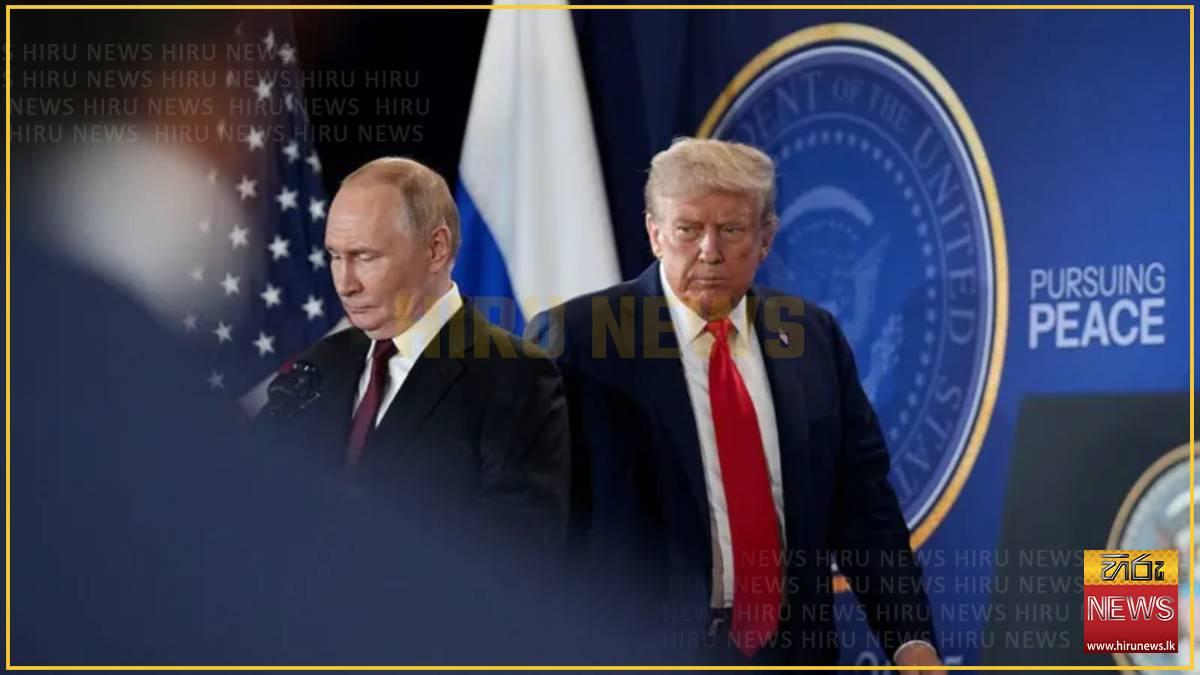
Global Reactions to Sanctions
Reactions split sharply over the sanctions. Russia denounced the measures as an “act of war” and “counterproductive.” It warned of disruptions to global fuel supplies and harm to developing countries.
Ukraine and Western allies hailed the move as necessary leverage to force peace talks. Kyiv welcomed the sanctions and thanked Trump, framing them as crucial pressure on the Kremlin.

China opposed the sanctions on legal grounds, calling them unilateral actions lacking UN authorization. This opposition highlighted wider geopolitical divisions around the policy.
EU and UK Sanctions on Russia
The European and UK dimension broadened the pressure on Russia. The EU approved its 19th sanctions package and moved to ban Russian LNG. London aligned closely with Washington’s oil sanctions.
However, timelines and internal politics diverge regarding the sanctions. Some reports say the EU is accelerating an LNG ban to 2027, while others say by 2028. Belgium warned it could block the use of frozen Russian assets without legal clarity.
At the same time, allies like the UK publicly cheered the US move as making Putin “pay the price.” Enforcement and consensus within Europe remain works in progress.
Impact of Sanctions on Russian Oil
Markets and buyers reacted unevenly to the new measures. Analysts say Russia may have to discount oil further as banks face risks from secondary sanctions. Oil prices jumped over 3% on the news.
Some reports indicated that India was considering or beginning to reduce imports of Russian oil. However, others noted that major buyers like China, India, and Turkey still purchase Russian oil.

Experts questioned how effective the measures would be given Russia’s use of yuan and ruble trade and its resilience to sanctions. This has set up a debate between those calling the package a major blow and those warning that the immediate impact will be limited.
Sanctions and Conflict Updates
The sanctions land amid intensifying war and faltering diplomacy. Multiple outlets describe heavy Russian strikes causing civilian deaths and power outages in Ukraine, even as Kyiv hits back at Russian energy infrastructure. Diplomatic channels sputtered—Trump postponed or canceled meetings with Putin—while allied plans ranged from a 12-point ceasefire framework to arms debates.
“The US has imposed new sanctions on Russia's two largest oil companies, Rosneft and Lukoil, to pressure Moscow into peace negotiations… heavy bombardment… resulted in the deaths of at least seven people, including children.”
Reports say Washington is not ready to send Tomahawks, while another source says the US quietly lifted limits on Ukraine’s use of Storm Shadow missiles, a claim Trump denied as “fake news.” Coverage also varies in focus, from battlefield casualties to summitry, and some outlets fold in tangential storylines alongside the sanctions news.
