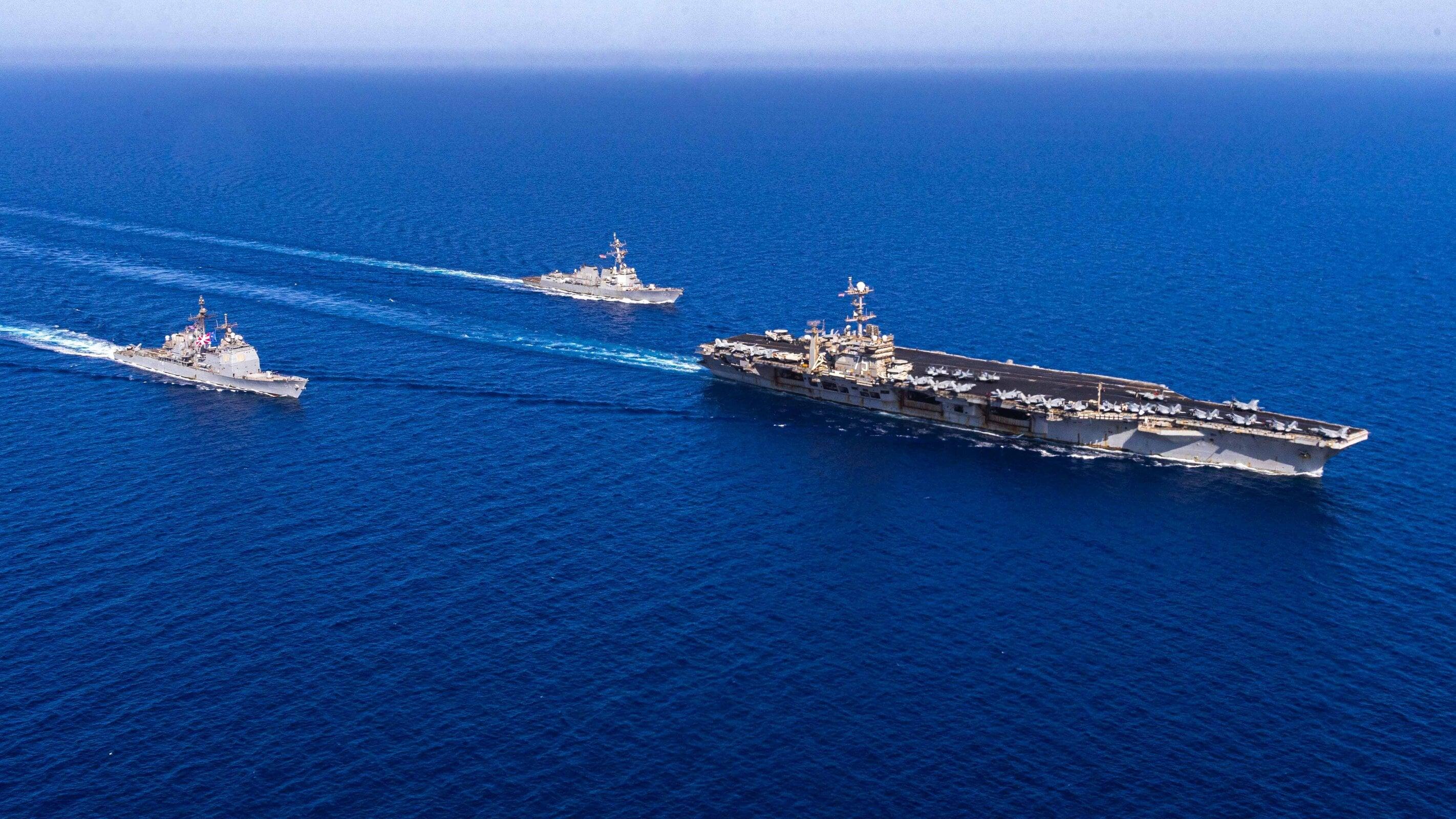
US Imposes Naval Blockade on Iranian Ports After Pakistan Peace Talks Collapse
Key Takeaways
- United States imposes naval blockade on Iranian ports in the Strait of Hormuz.
- Oil prices surge past $100 per barrel amid Hormuz blockade.
- US seeks a second round of talks with Iran as blockade persists.
US-Iran Talks and Blockade
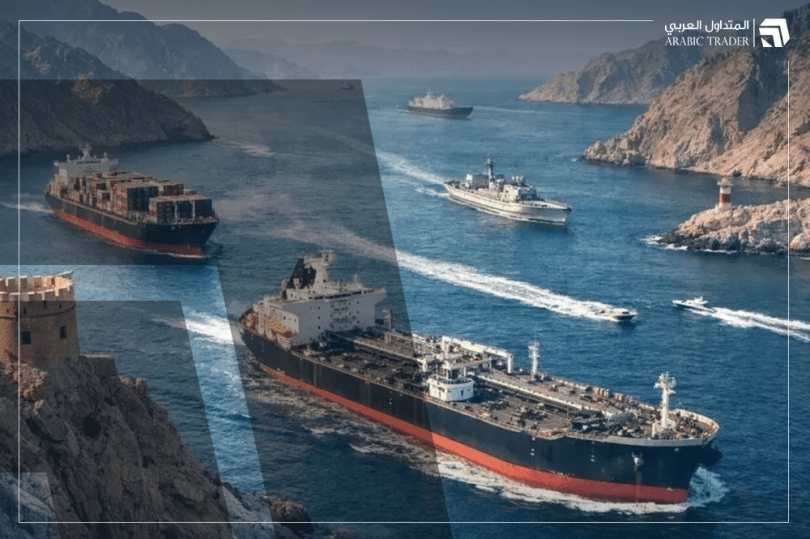
The US naval blockade of Iranian ports took effect on Monday after peace negotiations collapsed.
Vice President JD Vance said the ball is in the Iranian court.
Trump warned that any Iranian ships approaching the blockade would be immediately eliminated.
Oil prices surged past $100 a barrel.
Pakistan was attempting to arrange a second round of talks.
Nuclear Dispute Central
The core sticking point was Iran's nuclear program.
The US asked for a 20-year suspension of uranium enrichment.

Iran agreed to three to five years, which Trump said was not acceptable.
The IAEA estimated Iran had enough uranium for 11 nuclear weapons.
Regional Fallout
The IMF reduced its 2026 growth forecast for the Middle East and North Africa to 1.1%.
Italy suspended its defense agreement with Israel.
Israel and Lebanon prepared to hold direct talks for the first time since 1993.
The problem is Hezbollah, Israel's Foreign Minister said.
Diplomatic Dynamics
Efforts to hold a second round of negotiations were ongoing.
Turkey was working to bridge the gap between the Americans and the Iranians.
The Iranian presidency spoke with French President Macron.
The Israeli Public Broadcasting Corporation reported estimates indicating that the US and Iran are closer to resuming fighting.
More on Iran
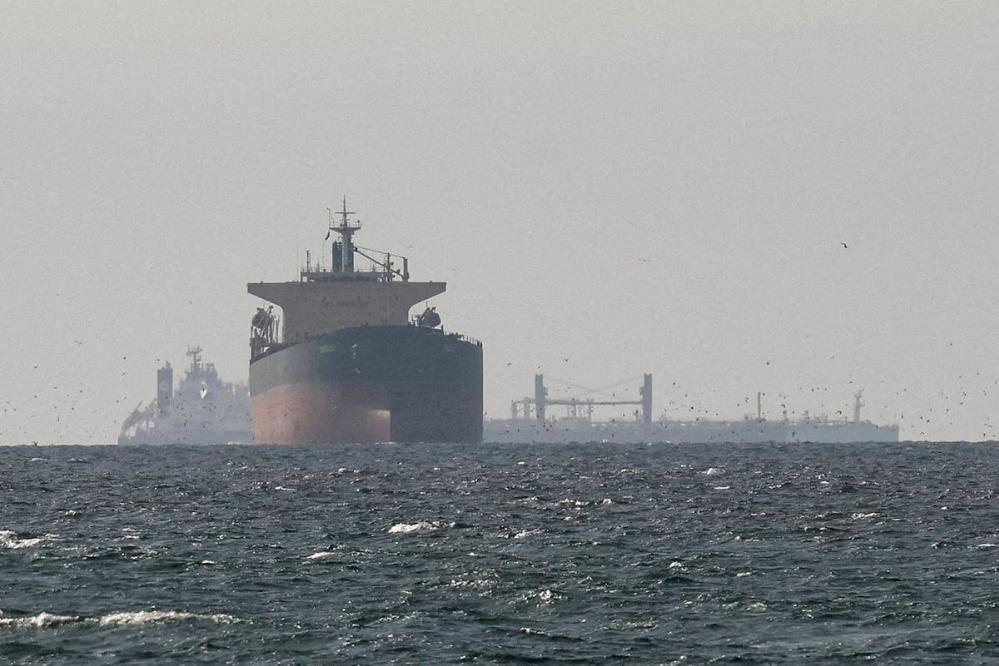
US Imposes Naval Blockade on Iranian Ports, Threatens to Destroy Warships
20 sources compared

Trump Orders U.S. Navy Blockade of Iran’s Strait of Hormuz Escalating Tensions
16 sources compared

U.S. and Israeli Attacks Cripple Iran's Economy, Trigger Massive Inflation and Job Losses
13 sources compared

Trump Threatens Cuba After Finishing War Against Iran
17 sources compared