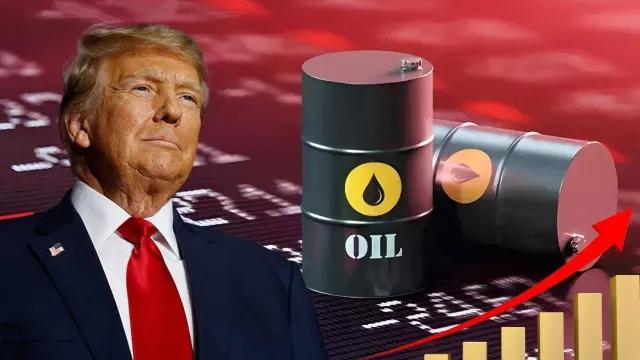
Trump, Iran Digitally Sign Memo To End War, Reopen Strait of Hormuz
Key Takeaways
- U.S. and Iran digitally signed a memorandum to end the war.
- The deal aims to reopen the Strait of Hormuz and lift the naval blockade.
- A signing ceremony is planned for Friday in Switzerland.
Deal Signed, Strait Next
The United States and Iran digitally signed a memo of understanding aimed at ending the war and allowing details to be negotiated, with President Donald Trump saying Iran will reopen the Strait of Hormuz and Vice President JD Vance saying the strait will be toll free.
Trump declared the deal “all signed” and said the strait is “already partially opened,” while the memorandum of understanding is set to be formally signed at a ceremony in Geneva on Friday attended by JD Vance and Mohammad-Bagher Ghalibaf.

The BBC said the Strait of Hormuz will be opened “immediately” once the MOU is signed in person, while the Hill reported the issue that triggered the conflict—Iran’s nuclear program—would be pushed to further negotiations over the next 60 days.
Iran’s Masoud Pezeshkian praised the deal as “an important step” toward ending the war and beginning negotiations, but also said a “final agreement has yet to take shape.”
Conflicting Claims, Lebanon Pressure
As the agreement faced immediate scrutiny, MS NOW reported a senior U.S. official disputed claims by Iran that roughly $25 billion in frozen assets had already been released to Tehran, while Pezeshkian said a “final agreement has yet to take shape.”
The Guardian said Trump declared the strait “completely open” from Friday and noted Israeli breaches of the ceasefire in Lebanon and Iran’s claims about its right to charge fees in the crucial waterway revealed “loose ends.”

In Israel, Netanyahu said the “fight is not over” and Israel has to “remain vigilant,” including remaining in a “buffer zone” Israel has created in southern Lebanon, according to the BBC.
The Hill reported Trump told Axios that Netanyahu has “no f‑‑‑ing judgment” after Israel fired on the Beirut suburbs against Hezbollah on Sunday, putting the tentative framework deal with Iran at risk.
What’s at Stake Next
The CBS News account said Iran’s Revolutionary Guard asserted that under the agreement the country will receive half of its roughly $24 billion in long-frozen funds before final negotiations begin during a 60-day ceasefire extension, while a U.S. official said Iran will get none of the money until it demonstrates compliance.
The Hill said the deal could end the on-again, off-again war with Iran but pushes Iran’s nuclear program to further negotiations over the next 60 days, and it characterized Trump’s announcement as authorizing the toll free opening of the Strait of Hormuz and the immediate removal of the U.S. naval blockade.
The Guardian reported that technical discussions led by JD Vance would begin later this week, including the fate of Iran’s nuclear programme and provisions to lift sanctions and unfreeze billions of dollars in frozen assets tied to “Iran meeting their commitments.”
The BBC framed the MOU as not a peace deal because it defers the thorniest issues to future negotiations, while the AP said the memorandum of understanding over the war already faced intense challenges from Israel’s continued hostilities with Hezbollah in Lebanon.
More on Iran

Donald Trump Says US-Iran Deal Reopens Strait of Hormuz, Lifts Naval Blockade
11 sources compared

Donald Trump Says U.S. and Iran Reached Deal To Reopen Strait of Hormuz
21 sources compared
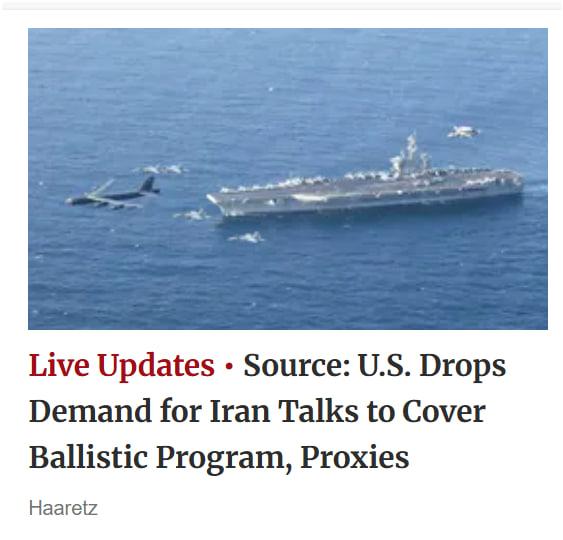
US-Iran Peace Deal Reopens Strait of Hormuz, Ends Naval Blockade, Defers Nuclear Talks
14 sources compared
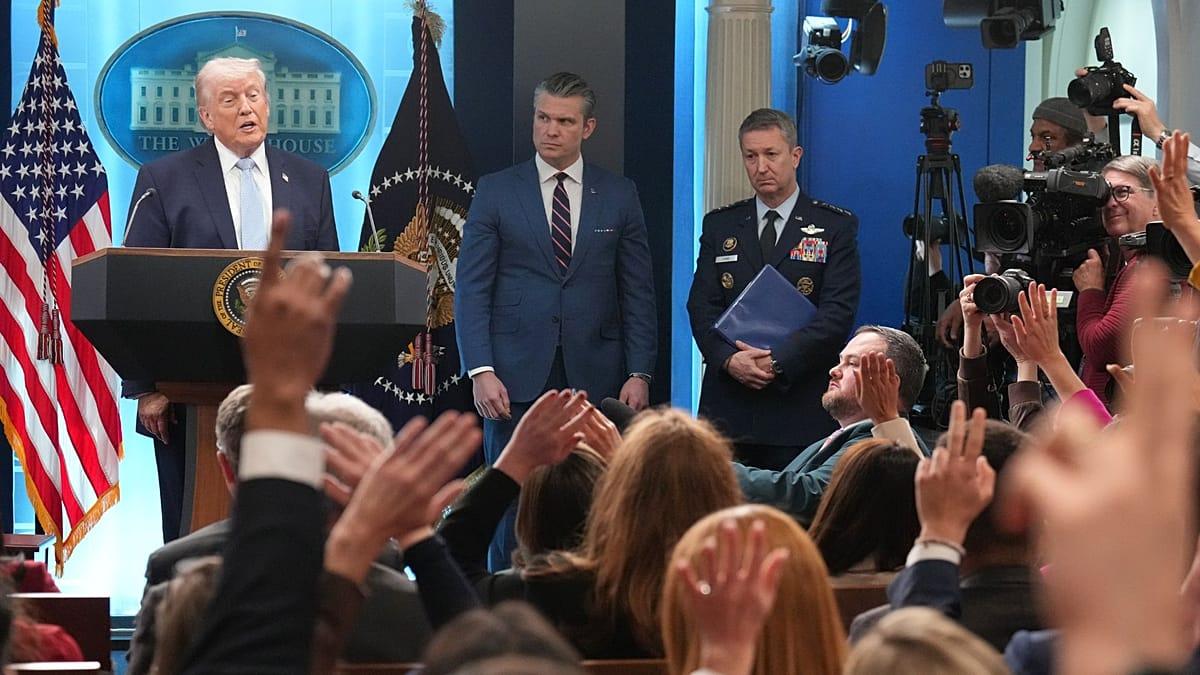
Trump And Iran Sign Memorandum, Reopen Strait Of Hormuz, Start 60 Days Of Nuclear Talks
14 sources compared