
U.S. Destroys Iranian Boats in Strait of Hormuz as Iran Fires Missiles and Drones
Key Takeaways
- U.S. forces destroyed Iranian small boats in the Strait of Hormuz.
- Iran fired missiles and drones at U.S. ships and UAE targets.
- Trump announced an operation to reopen the Strait of Hormuz.
Ceasefire under strain
A sharp escalation in attacks in the Strait of Hormuz and the Persian Gulf on Monday threatened the “shaky ceasefire between Iran and the United States” as both sides struggled to make progress in talks on a lasting end to the war, according to The Washington Post.
The Washington Post reported that “Two U.S. destroyers, closely followed by two merchant vessels, came under attack during successful transits of the strait Monday morning,” and that Iran fired “cruise missiles and drones” but “did not land any hits,” as Adm. Brad Cooper, head of U.S. Central Command, said.

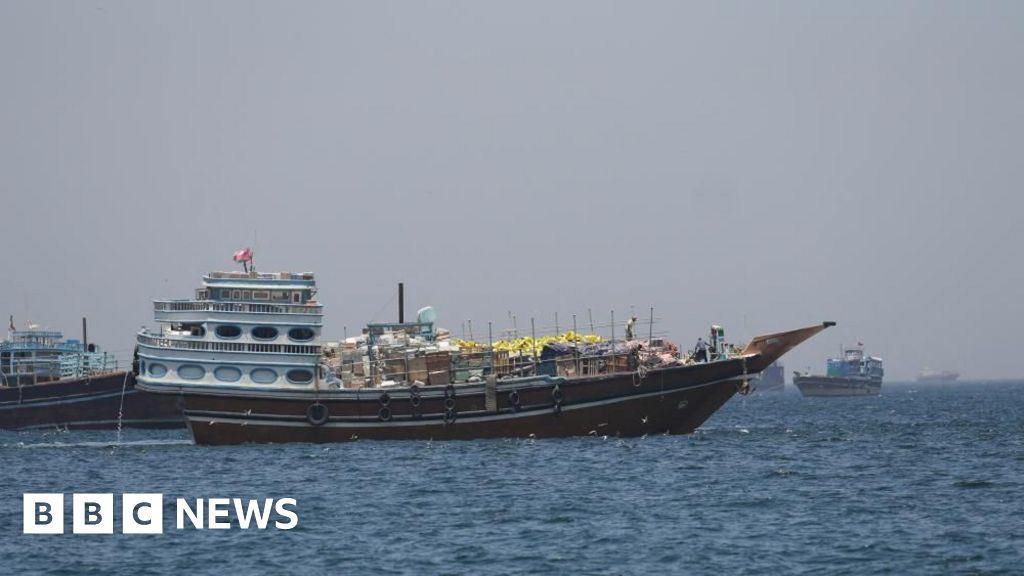
The Washington Post also reported that Iran sent “six fast boats after the commercial ships,” and that “U.S. forces fired on and destroyed the vessels,” while Cooper “would not say whether the exchange of strikes meant the ceasefire was over.”
CNN similarly described the ceasefire as being “tested after both sides fired shots in the Strait of Hormuz,” and said Trump declined to say if the truce remains in place.
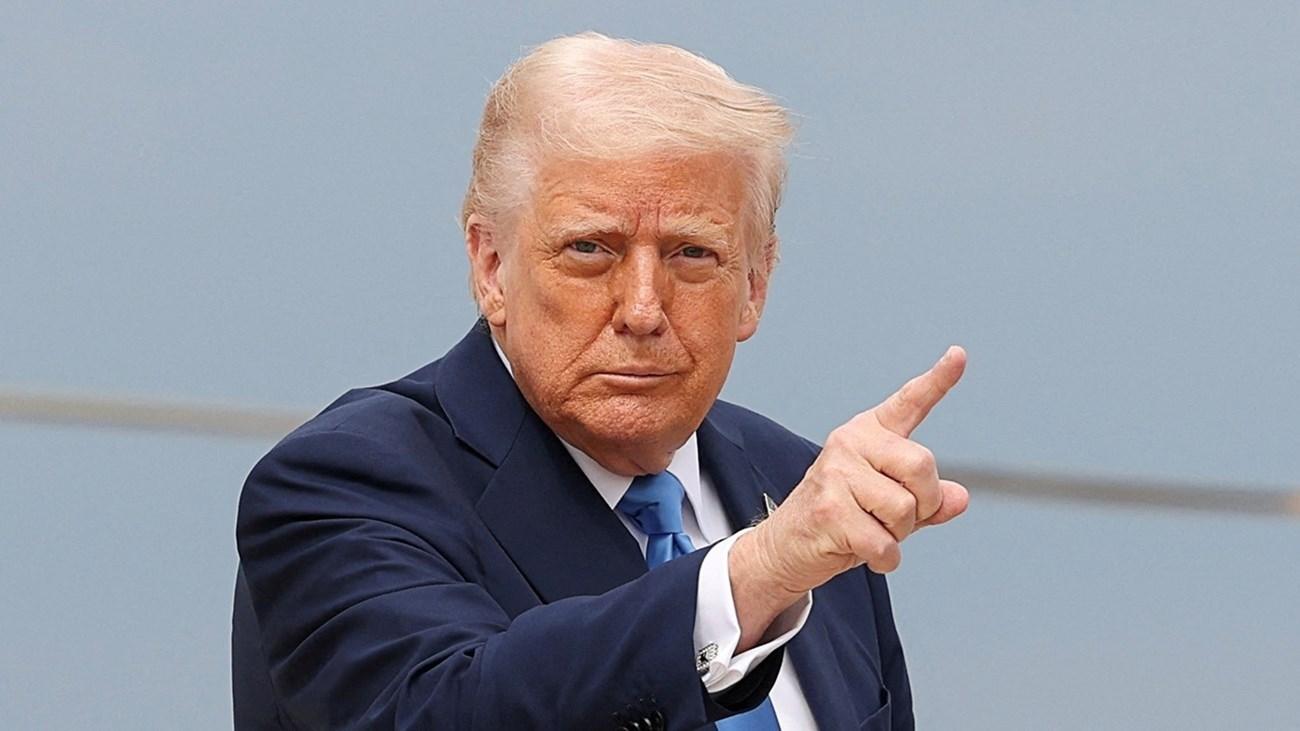
CNN quoted Trump warning that Iranian forces would be “blown off the face of the Earth” if they attempted to target US ships in the strait or the Persian Gulf.
CBS News added that Iran launched its first missile and drone attack on the United Arab Emirates since a ceasefire with the U.S. took effect on April 8, and that the U.S. military said two commercial vessels safely transited the waterway Monday.
In parallel, the BBC framed the moment around Trump’s announced “Project Freedom,” saying the U.S. would help “guide” ships stranded by Iran’s closure of the Strait of Hormuz, and that limited fighting appeared to have resumed the day after the announcement.
Project Freedom begins
Trump’s “Project Freedom” operation became the focal point for the Monday escalation, as U.S. forces moved to reopen the Strait of Hormuz for commercial traffic while Iran insisted it would attack any foreign armed force approaching the waterway.
The Washington Post said the U.S. military mission to reopen the Strait of Hormuz, named “Project Freedom,” included “guided-missile destroyers, more than 100 Navy and Air Force warplanes, drones, satellite imagery and more than 15,000 personnel,” with Central Command saying so Monday.
The Washington Post reported that the two U.S. destroyers that passed through the strait Monday were “not escorting the commercial vessels and were instead moving through the waterway to clear it for traffic,” and that the U.S. was reaching out to “the hundreds of vessels, representing 87 countries, that are in the Persian Gulf” to help them get through the strait.
NBC News described the U.S. effort as a mission to guide stranded vessels, saying Adm. Brad Cooper told a call Monday that the U.S. used attack helicopters to “blow up the small boats and intercept the drones,” and that “U.S. Navy ships were protecting U.S. commercial vessels transiting the strait.”
The BBC explained what Trump said the plan would do, quoting his Truth Social post that the U.S. would “guide their Ships safely out of these restricted Waterways,” and that the effort was meant to free up people and companies who were “locked up in the Strait of Hormuz.”
The BBC also quoted Iran’s central command warning that it would attack “any foreign armed force” that tried to approach or enter the Strait, “especially, the aggressive US army,” and that safe passage must be “co-ordinated with Iran "under all circumstances".”
CNN added that there were “no ‘escorts’ of commercial ships by the US Navy,” and that the U.S. used “a much broader defensive package” to clear a “one way” path through the Strait.
Missiles, drones, and boats
Across Monday’s incidents, the sources described a sequence in which Iran fired cruise missiles and drones, sent small boats, and struck or attempted to strike targets around the Strait of Hormuz and the United Arab Emirates, while the U.S. said it intercepted drones and destroyed boats.
The Washington Post said Iran fired “cruise missiles and drones at the U.S. naval and commercial vessels” and that “Iran also sent six fast boats after the commercial ships,” adding that “U.S. forces fired on and destroyed the vessels.”
CNN similarly said the U.S. military “blew up” six small Iranian boats in the Strait of Hormuz, and that it came after Iran launched “multiple cruise missiles, drones and small boats” at U.S. Navy ships and at commercial ships “protected” by the U.S.
NBC News reported that Iran launched “multiple cruise missiles” at U.S.-flagged ships and at U.S. Navy ships protecting commercial vessels, and that Central Command said no vessel was hit.
CBS News said the U.S. military said two commercial vessels safely transited the key waterway Monday, and it described the UAE as saying its tanker was targeted by two Iranian drones in the Strait of Hormuz, with “Nobody was injured in the attack.”
The Guardian reported that the UAE defence ministry said its air defences “engaged 15 Iranian missiles and four drones” in a fresh barrage on Monday, and that Fujairah had said earlier that a fire broke out at the Fujairah Oil Industry Zone after what it described as a drone attack originating from Iran.
The Guardian also said Tehran claimed to have struck a U.S. frigate with two missiles, while U.S. Central Command denied that claim and said “no US Navy ships had been struck.”
Threats and diplomacy
The escalation was accompanied by hostile statements from senior figures and diplomatic messaging from regional and European leaders, with multiple sources quoting threats and calls for de-escalation.
The Guardian reported that Trump threatened Iran would be “blown off the face of the earth” if it attacks US vessels trying to reopen a route through the strait of Hormuz, and it said the comments came as the U.S. launched “Project Freedom.”

The Washington Post also included a warning from Iran’s Islamic Revolutionary Guard Corps, saying the head of the IRGC warned earlier Monday that “Any U.S. vessels in the strait would be considered “a legitimate target,”” and it quoted Ahmad Vahidi saying, “The Strait of Hormuz will not be opened by the tweet of the President of the United States; the management and control of this waterway is in the hands of Iran.”
CNN described Trump’s refusal to confirm whether the ceasefire was over, quoting him telling radio host Hugh Hewitt, “Well, I can’t tell you that,” when asked if strikes could resume as soon as Monday night.
CNN also quoted Iranian Foreign Minister Abbas Araghchi warning the United States and United Arab Emirates against being drawn into a “quagmire,” saying “there’s no military solution to a political crisis,” and it added that Araghchi dismissed “Project Freedom” as “Project Deadlock.”
CBS News similarly quoted Araghchi saying “Events in Hormuz make clear that there's no military solution to a political crisis,” and it quoted him adding, “Project Freedom is Project Deadlock.”
The Guardian reported that Saudi Arabia denounced Iran’s attacks on the UAE and called for de-escalation, quoting the Saudi foreign ministry statement posted on X that it called on Iran to stop the attacks and “respect the principles of good neighborliness.”
Economic stakes and next steps
The sources tied Monday’s fighting to immediate economic risk and to the question of whether the U.S. can establish a safer passage without triggering wider hostilities.
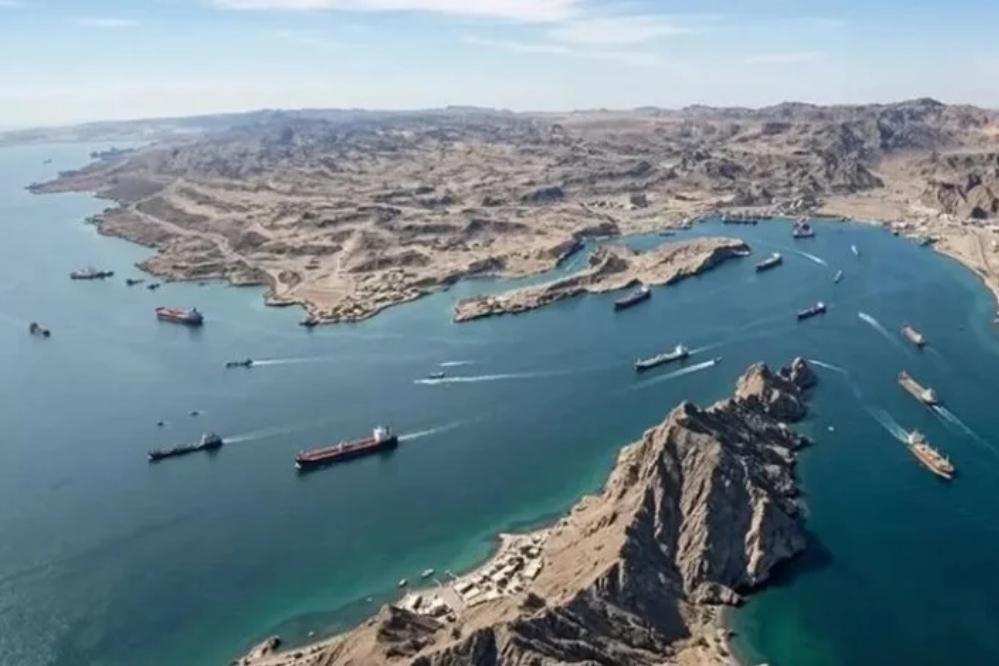
The Washington Post said reopening the strait was “a vital chokepoint for oil and gas shipments” and that Iran had slowed traffic to a “trickle,” causing “severe disruptions to the global economy,” while it reported that Iran mined parts of the strait after U.S. and Israel launched large-scale airstrikes in late February.
The Washington Post also said Tehran had “largely shut the waterway to traffic,” cutting off “roughly a fifth of global energy supplies,” and that the U.S. responded last month by implementing “a naval blockade of Iranian ports.”
CNN reported that oil prices rose and stocks fell on concerns about the safety of transiting the critical waterway, and it quoted an oil market expert saying “Average US gas prices could reach $5 a gallon if the strait remains closed.”
Fortune reported that U.S. oil futures jumped “3.5% to $105.55 per barrel,” and that Brent crude surged “5.7% to $114.35,” as fighting erupted again and the UAE reported renewed attacks from Iran.
The BBC added that the Strait has remained largely blocked since the U.S. and Israel launched air strikes on Iran, and that Tehran responded by blocking the crucial waterway through which “20% of the world's oil and liquefied natural gas” is meant to pass freely.
The Guardian said the ceasefire was facing “its most perilous moment” after the U.S. began trying to open the strait to allow hundreds of stranded commercial ships to sail out.
More on Iran

U.S. Sinks 7 Iranian Boats as Iran Launches Missiles and Drones at UAE
10 sources compared
U.S. Launches Project Freedom to Reopen Strait of Hormuz After Iran Attacks UAE
21 sources compared
US Guided-Missile Destroyers Open Strait of Hormuz Route After Iran Fires Missiles and Drones
32 sources compared
Trump Threatens Iran Over Strait Of Hormuz As Project Freedom Guides Ships
21 sources compared