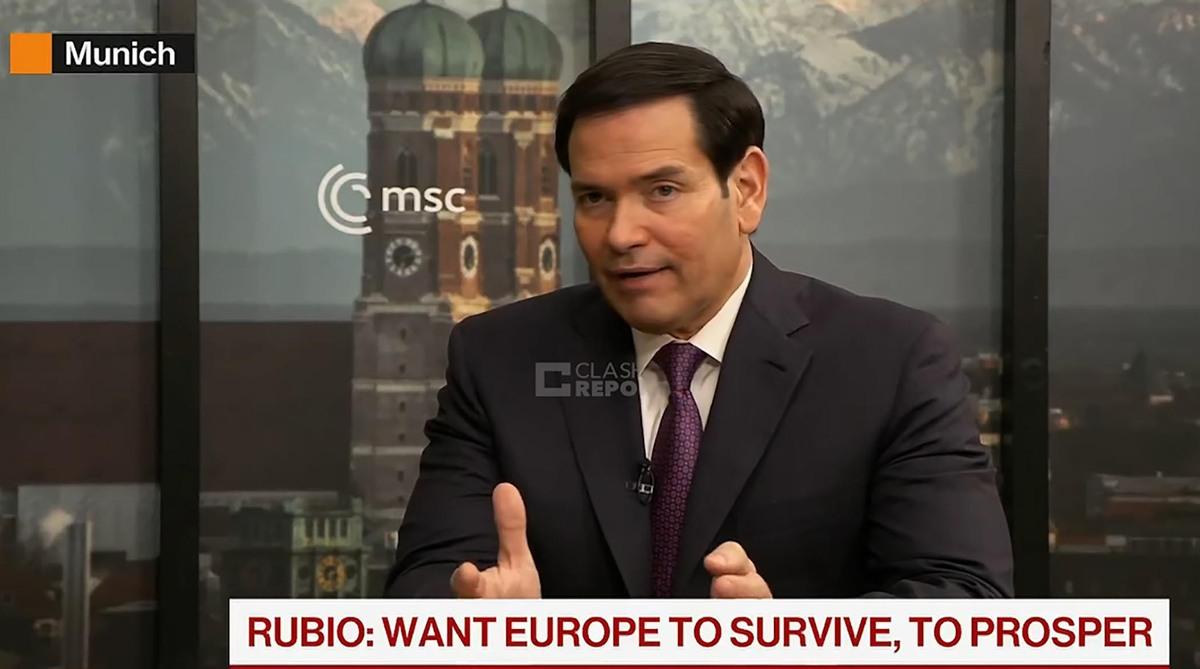
Trump Monitors Vance as U.S.-Iran Peace Talks Intensify in Islamabad
Key Takeaways
- Vance is involved in peace talks with Iran.
- Trump scrutinizes Vance's standing over talks.
- Peace talks with Iran intensify as war seeks end.
Talks, trust, and timing
As U.S.-Iran peace talks intensified after a marathon negotiating session in Islamabad, President Donald Trump monitored Vice President JD Vance’s progress closely and even joked about assigning blame or credit depending on whether a deal materialized.
CNN reported that Trump wondered aloud how friends and advisers would rank Vance compared with Secretary of State Marco Rubio, and that Trump said, “If it doesn’t happen, I’m blaming JD Vance,” during an Easter lunch this month.

CNN also said Trump told reporters he would “take full credit” if a deal happened, and that he spoke by phone with Vance “as many as a dozen times during the first round of talks in Islamabad last weekend.”
The White House voiced support for Vance’s role, with communications director Steven Cheung saying, “Vice President Vance continues to show why President Trump has tapped him to lead the Iran negotiations along with Steve Witkoff and Jared Kushner.”
CNBC described the Islamabad talks as a “marathon 21-hour negotiating session,” and said Tehran would not affirmatively commit to not seeking a nuclear weapon, which Vance said.
CNBC added that Vance told Fox News, “I wouldn’t just say that things went wrong. I also think things went right,” and that he said, “We made a lot of progress” while laying out Trump’s terms for a deal.
Blockade and the ceasefire clock
While diplomacy played out in Pakistan, the U.S. simultaneously escalated pressure at sea, with CBS News reporting that the U.S. blockade of Iranian ports was “fully implemented” on Tuesday, as Washington pressed Tehran to relinquish control of the Strait of Hormuz.
CBS said the war was now in its seventh week and that a two-week truce was set to expire Tuesday, framing the timing around a fragile ceasefire.

The same CBS account said Iran was threatening to retaliate and had said no Gulf ports would be safe if the blockade continued, and it tied the blockade to shipments of oil, fertilizer and other vital commodities.
U.S. Central Command said a blockade of Iranian ports “has been fully implemented as U.S. forces maintain maritime superiority in the Middle East,” and Adm. Brad Cooper told CBS that “An estimated 90% of Iran's economy is fueled by international trade by sea.”
CBS further reported that “In less than 36 hours since the blockade was implemented, U.S. forces have completely halted economic trade going into and out of Iran by sea.”
In the Strait of Hormuz, CBS said a U.S. destroyer interdicted two oil tankers on Tuesday, and that the two ships were part of six merchant vessels told to turn back to an Iranian port on the Gulf of Oman in the initial 24 hours of the blockade.
CBS also relayed President Trump’s view that the war was “very close to over,” quoting him as saying, “I think it's close to over, yeah. I mean, I view it as very close to over,” and it added that Trump told Jonathan Karl that he “isn't thinking about extending the ceasefire.”
Vance under pressure
As the administration pushed for another round of talks, the political narrative around Vance shifted from confidence to scrutiny, according to CNBC’s account of setbacks and awkward moments.
“With Vice President JD Vance, a one-time Iran war skeptic, now tasked with brokering a deal to end it, President Donald Trump has been monitoring his progress closely and inquiring with various friends and advisers how they’d rank his performance, according to three people familiar with the conversations”
CNBC said Trump sent Vance to Hungary to boost Viktor Orbán, and then to Pakistan for peace talks with Iran, and that both trips ended with highly visible setbacks that raised questions about whether Vance’s “political star is still rising.”
In Pakistan, CNBC described the negotiations as failing to clinch a peace deal after a “marathon 21-hour negotiating session in Islamabad,” and it said Tehran would not affirmatively commit to not seeking a nuclear weapon, which Vance said.
CNBC also described a split-screen moment in which Vance delivered the news from Islamabad that “we have not reached an agreement” with Iran while Trump and Secretary of State Marco Rubio were photographed together at a UFC fight in Miami.
The same report said Vance defended the trip as worthwhile, telling Fox News, “I wouldn't just say that things went wrong. I also think things went right,” and adding, “We made a lot of progress” and laid out Trump’s terms.
CNBC quoted Marc Short, former chief of staff to Trump’s first-term VP Mike Pence, saying, “I think Trump is likely to play the two of them, and other candidates including [Florida Gov. Ron] DeSantis, as kind of a real-life 'Apprentice' show.”
Short also argued it was wrong to assume Vance had been dismissed, saying, “By all standards I see, he's still a frontrunner among Republican primary voters,” and he said Vance was not being eclipsed by Rubio.
The report added that Financial Times U.S. national editor and columnist Edward Luce wrote Tuesday that Vance was “no longer Trump's obvious successor” after the failed Iran talks and Orbán’s loss.
Catholic tensions and public remarks
Alongside the Iran diplomacy and the blockade, CNN and CNBC both described how Vance’s public handling of Pope Leo XIV became entangled with the administration’s Middle East policy, adding another layer to the scrutiny around his role.
CNN said Vance, a “staunch Trump loyalist,” defended a war he argued against in private and backed Trump’s criticism of Pope Leo XIV “even amid outcry from some of his fellow Catholics,” while also deflecting hecklers at a Turning Point USA event in Georgia by pointing to the Biden administration.
CNN quoted Vance acknowledging the Iran war’s unpopularity, saying, “I recognize that young voters do not love the policy we have in the Middle East,” and “I understand.”
CNN also reported that Vance downplayed his role in the negotiations as merely “answering a lot of phone calls,” but it highlighted that Trump turned to him first for an update at a Cabinet meeting on March 26.
On the pope dispute, CNN quoted Vance saying, “I have a lot of respect for the pope. I like him. I admire him. I’ve gotten to know him a little bit,” and it included his warning: “I think it’s very, very important for the pope to be careful when he talks about matters of theology.”
CNN then quoted Senate Majority Leader John Thune asking, “When he talks about matters of theology? Isn’t that his job?”
CNBC similarly said Vance was repeatedly pressed to comment on Trump’s criticisms of Pope Leo XIV over the pontiff’s opposition to the Iran war, and it reported that Vance told a Turning Point USA event in Georgia that Leo should be “be careful when he talks about matters of theology.”
Next steps and competing narratives
As the next round of talks approached, CBS News said Pakistan Prime Minister Shehbaz Sharif would travel to Saudi Arabia, Qatar and Turkey during a diplomatic push to secure a new round of talks between the United States and Iran, with the visits starting Wednesday and concluding on Saturday.
CBS also said Trump told Fox Business’ Maria Bartiromo that the next round of talks could take place “over the next two days,” in Islamabad again, and it reported that ABC News Chief Washington correspondent Jonathan Karl said Trump told him he “isn't thinking about extending the ceasefire.”
In parallel, CBS reported that Lebanese and Israeli officials met in Washington, D.C., for the first direct diplomatic talks between the two countries since 1993, resulting in an agreement to “launch direct negotiations,” according to a joint statement.
CNN’s account of the talks emphasized that Trump had “full confidence in Vance’s negotiating abilities,” and it said Vance was on standby to return to Pakistan to resume negotiations with Iran if a deal appeared to be coming together.
CNN also said Trump spoke by phone with Vance “as many as a dozen times during the first round of talks in Islamabad last weekend,” and that the White House communications director Steven Cheung traveled to Pakistan with Vance.
At the same time, CNBC’s framing of the same negotiations highlighted that Vance delivered the news that “we have not reached an agreement” with Iran, and it described the political consequences of that outcome.
The combined picture from the three U.S.-focused reports shows a tight timeline for diplomacy, a continuing U.S. blockade, and a public debate over whether the ceasefire will be extended, with Trump saying he views the war “as very close to over.”
More on Iran
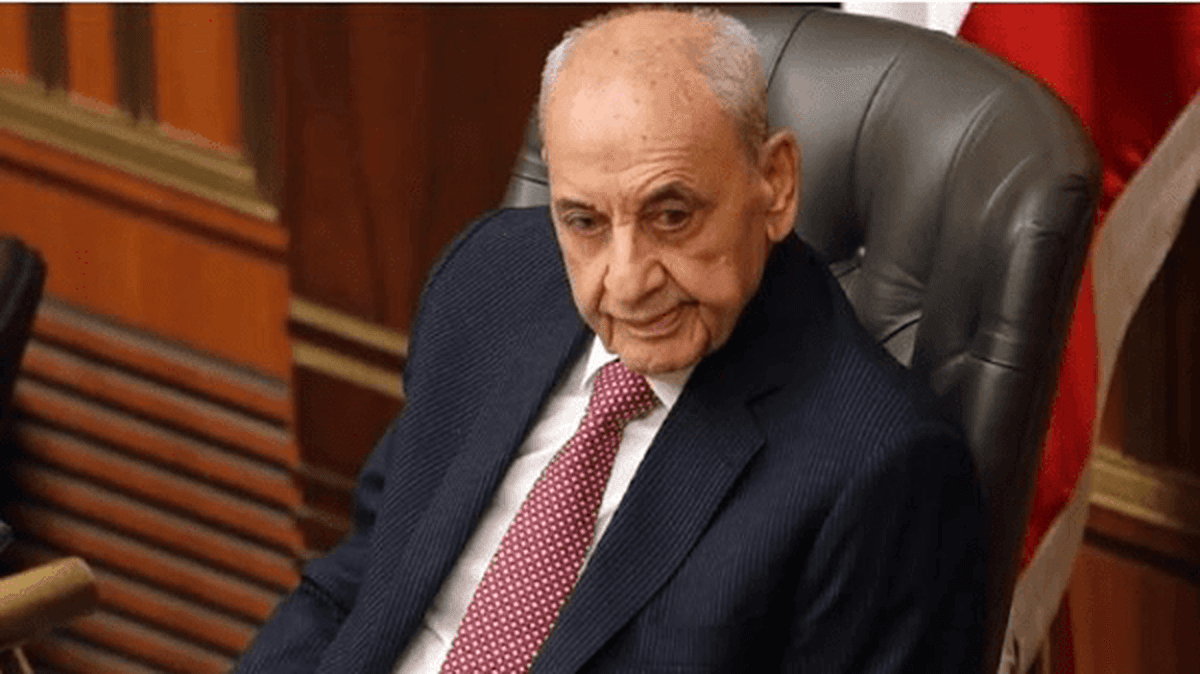
Israel Strikes Lebanon as Trump’s 10-Day Ceasefire Begins Amid U.S.-Iran Truce
26 sources compared

US Naval Blockade Near Strait Of Hormuz Pushes Iran Into Broader Conflict Negotiations
11 sources compared
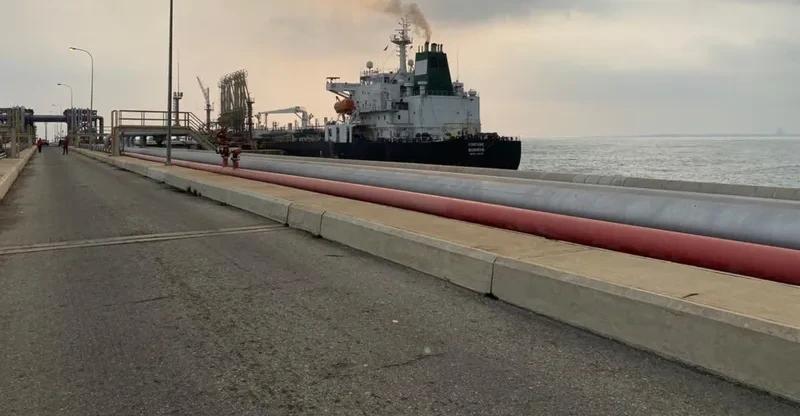
U.S. Navy Expands Iran Maritime Blockade to Cover Contraband Shipments Worldwide
11 sources compared

U.S. Implements Naval Blockade on Iran, Halting 13 Ships in Strait of Hormuz
10 sources compared