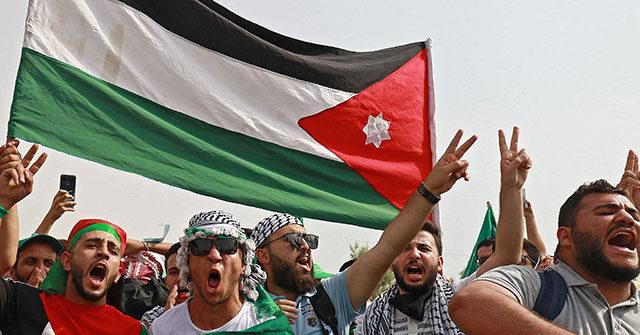
Other25 November, 20252 min read
Trump Moves to Designate Muslim Brotherhood Chapters as Terrorist Organizations, Citing Hamas Links
Trump ordered interagency review of Egypt, Jordan and Lebanon Muslim Brotherhood chapters for FTO designation Designation would criminalize support, trigger economic sanctions, and bar members from U.S. entry

25 outlets told this the same way.
Muslim Brotherhood designation review
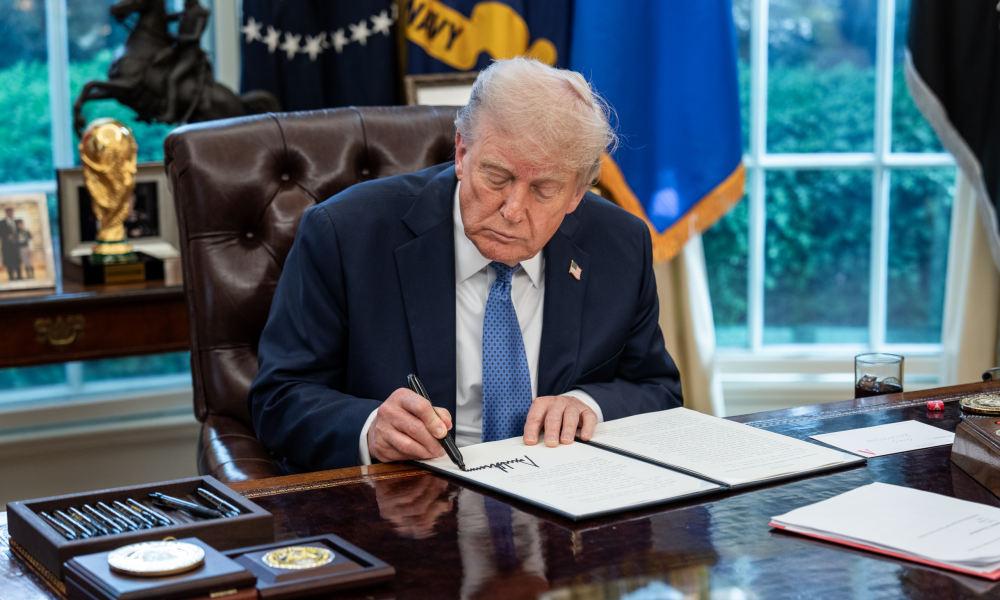
President Trump signed an executive order directing a formal review of whether to designate specific national branches of the Muslim Brotherhood — namely chapters in Lebanon, Jordan and Egypt — as Foreign Terrorist Organizations (FTOs) and as Specially Designated Global Terrorists (SDGTs). The White House set a rapid timeline: aides must produce a joint report within 30 days and, if supported, officials are to take action within about 45 days to impose any designations or sanctions. The administration framed the move as targeting a transnational network it says fuels terrorism and regional destabilization, and it cited alleged ties between Brotherhood-affiliated groups and Hamas in its public statements.
“An executive order directs aides to study whether to list some Brotherhood chapters as foreign terrorist organizations and specially designated global terrorists, with a report due in 30 days and U.S. officials given 45 days to impose sanctions if warranted.”
Interagency Review and Sanctions
The executive order sets out an interagency process.
The Secretaries of State and the Treasury must consult with the Attorney General and the Director of National Intelligence and submit a joint report.

Legal tools mentioned include the Foreign Terrorist Organization listing authorities (8 U.S.C. 1189) and the use of Executive Order 13224 for SDGT designations.
The SDGT label typically carries sanctions and asset-blocking authorities, while FTO listings carry criminal penalties for material support.
Officials were given short deadlines to complete the review and, if warranted, to impose measures thereafter.
Review of Brotherhood links
The administration justified the review by citing alleged operational links between some Brotherhood chapters and militant groups, including claimed cooperation with Hamas and Hezbollah and accusations that a Lebanese chapter's armed wing joined rocket attacks into Israel after Oct. 7, 2023.
“The order cites the Lebanese chapter’s armed wing joining rocket attacks into Israel after Oct. 7, 2023, statements by an Egyptian Brotherhood leader calling for violence against U.S. partners, and reported support for Hamas by some Jordanian leaders.”
A White House fact sheet and reporting cite statements and incidents—such as reported support from some Jordanian and Egyptian figures for militant actions—that the administration says demonstrate involvement in or facilitation of violence and regional destabilization.
Responses to Brotherhood designation
Reactions and context varied across reporting. Several sources note that Egypt, Saudi Arabia, the UAE, Bahrain and Jordan have already outlawed the Brotherhood or its affiliates. Texas's governor has issued symbolic state-level designations, and reporters use these facts to frame Washington's move as aligning with some regional partners.
Coverage diverges on impact: Israeli and pro-designation outlets stress security and the chance to dismantle capabilities. Alternative and regional outlets warn about legal obstacles, diplomatic fallout (for example with Qatar or Turkey, where affiliates operate legally), and the history of contested U.S. attempts to impose a global ban.
Debate over Brotherhood designation
Several outlets flag uncertainties and hurdles. Prior efforts to designate the Brotherhood in the Trump administration’s first term stalled amid legal objections because the Brotherhood is a decentralized movement with varied national branches and both political and social activities.
“Trump revived designation efforts begun in his first term, backed by some senior figures (John Bolton, Mike Pompeo) and opposed by some U.S. lawyers, defense officials and career national security staff.”
Reporters note practical consequences if designations are made, including asset freezes, travel restrictions, and criminal penalties for material support under foreign terrorist organization rules. They add that details—such as which specific groups would be listed, how U.S. law enforcement would implement changes, and how partners would respond—remain unclear or contested in the coverage.