Trump Orders US To Cut Troops In Germany, NATO Seeks Clarification
Key Takeaways
- Pentagon: about 5,000 U.S. troops to be withdrawn from Germany over the coming year.
- NATO seeking clarification on withdrawal details, coordinating with Washington.
- The move follows a public spat between Trump and German Chancellor Merz over Iran.
Trump’s Germany drawdown
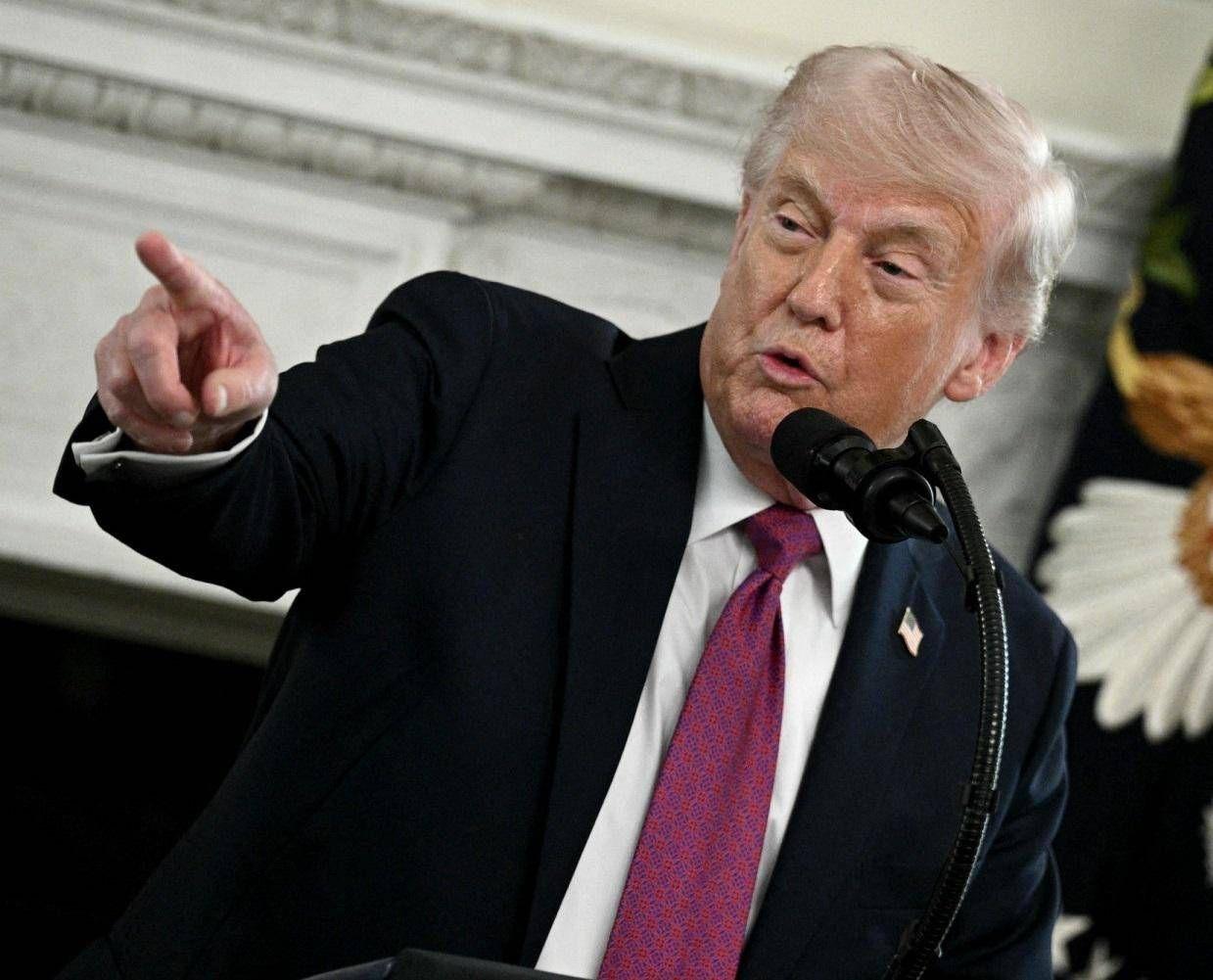
Donald Trump said the United States would cut troop numbers in Germany “way down,” telling reporters in Florida, “We’re going to cut way down, and we’re cutting a lot further than 5,000.”
“L'annuncio del presidente dopo le critiche del cancelliere tedesco Merz alla strategia americana nel Golfo Persico Donald Trump si prepara a ridurre il numero dei soldati americani in Germania”
The remarks came as NATO said it was seeking clarification from Washington on the planned drawdown, with NATO spokeswoman Allison Hart saying, “We are working with the US to understand the details of their decision on force posture in Germany.”
The Pentagon said the withdrawal of around 5,000 troops would be completed over the next six to twelve months, but Trump’s latest remarks suggested a deeper reduction than that figure.
DW reported that the announced withdrawal of US troops from Germany “was to be expected,” quoting Defense Minister Boris Pistorius, while the BBC said Germany’s defence minister told DPA the US decision to withdraw 5,000 troops was “foreseeable.”
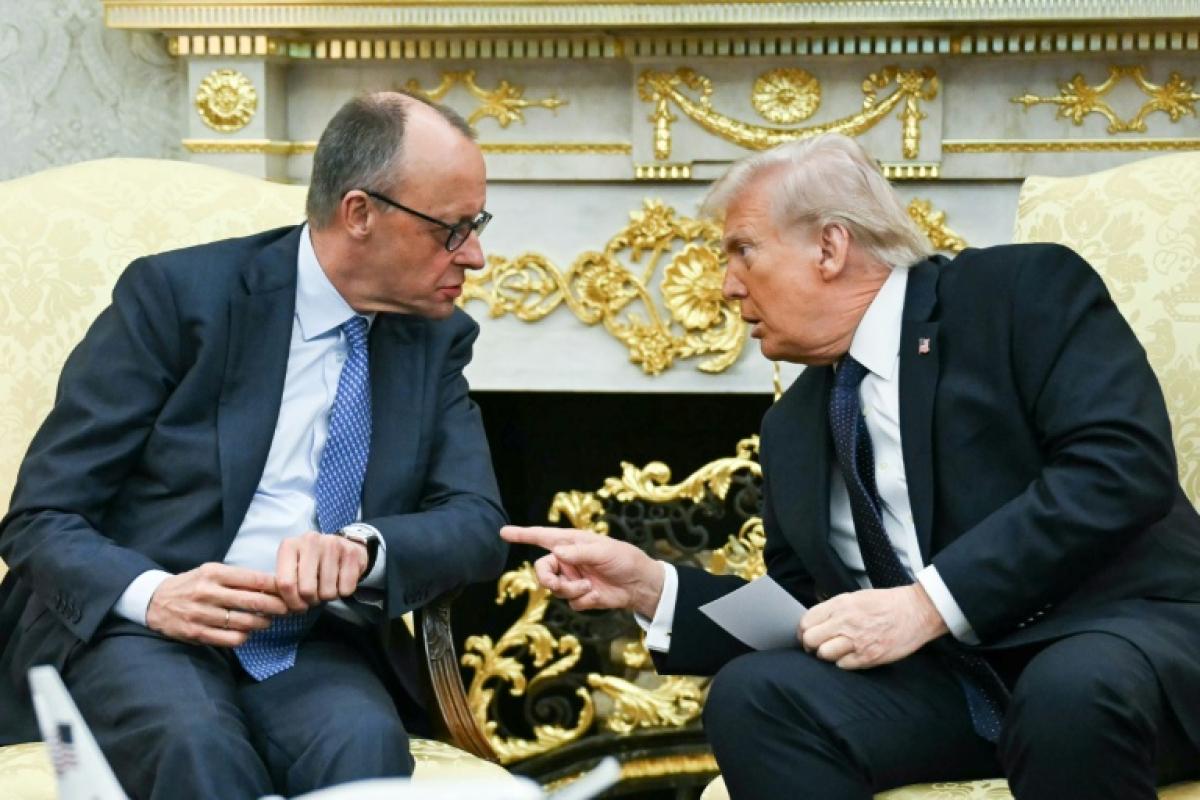
Multiple outlets tied the move to a wider rift over the war on Iran, including a spat between Trump and German Chancellor Friedrich Merz, who said Tehran was “humiliating” the United States.
In the same reporting, Trump criticized Merz for saying the US was “humiliated” by Iran’s leadership and urged Merz to stop “interfering” over Iran and spend more time “fixing his broken country.”
The BBC also placed the US troop presence in Germany at “more than 36,000 active duty troops,” describing it as the largest contingent in Europe.
How the dispute escalated
The troop drawdown was presented across outlets as the product of a widening transatlantic dispute tied to the war on Iran, with Trump and Merz trading sharp comments that then fed into the military posture debate.
Al Jazeera said the planned drawdown came as Trump feuded with European allies for not doing more to assist in the US-Israel war against Iran, and it described Trump’s ire at Germany’s Chancellor Friedrich Merz, who recently said the US was being “humiliated” by Iran’s leadership.

Al Jazeera also quoted Trump urging Merz to stop “interfering” over Iran and spend more time “fixing his broken country,” while DW and the BBC both described the same Merz criticism and the resulting NATO concern.
The BBC reported that Washington’s move came after Trump criticized Merz for saying the US had been “humiliated” by Iranian negotiators, and it added that Trump suggested pulling US troops from Italy and Spain.
Politico and other outlets described the Pentagon’s framing of the decision as an operational review, with Politico saying Defense Secretary Pete Hegseth ordered the withdrawal after reviewing U.S. troop buildup in Europe and in response to “heater requirements and conditions on the ground.”
Politico also said the drawdown followed through on a threat Trump made after sparring with the country’s leader over the Iran war, and it described the buildup as beginning under President Joe Biden in response to Russia’s full-scale invasion of Ukraine in February 2022.
Several outlets also linked the dispute to tariffs and trade pressure, including Arab News PK’s report that Trump’s economic measures included plans to raise tariffs on European Union cars and trucks from 15 percent to 25 percent.
NATO, Germany, and lawmakers react
Reactions in the reporting centered on NATO’s effort to understand the decision, Germany’s insistence that the drawdown was foreseeable, and US lawmakers warning that the move could weaken deterrence.
“NATO says it is assessing the details of the United States’s decision to withdraw about 5,000 troops from Germany, a key partner in the Western security alliance, amid tensions over the war on Iran”
NATO spokeswoman Allison Hart told Al Jazeera that the alliance was “working with the US to understand the details of their decision on force posture in Germany,” and she reiterated that the adjustment “underscores the need for Europe to continue to invest more in defence and take on a greater share of the responsibility for our shared security.”
The BBC said Germany’s defence minister Boris Pistorius told DPA the withdrawal was “foreseeable,” and it also stressed that “the presence of American soldiers in Europe, and particularly in Germany, is in our interest and in the interest of the US.”
NBC News described European leaders calling for the continent to learn how to defend itself, quoting Pistorius’s statement that “That the U.S. would withdraw troops from Europe and also from Germany was foreseeable,” and it included Pistorius’s line that “We Europeans must assume more responsibility for our security.”
The BBC also reported that two senior US lawmakers from Trump’s Republican party said they were “very concerned by the decision to withdraw a US brigade from Germany,” with Senator Roger Wicker and Representative Mike Rogers arguing that reducing forward presence risks “sending the wrong signal to Vladimir Putin.”
In the same BBC reporting, Pistorius said Berlin would now be working more closely with allies on the continent, and it pointed to his claim that Germany had boosted its military spending in recent years.
Arab News PK added that German Defense Minister Boris Pistorius said a US troop reduction “was to be expected,” while Foreign Minister Johann Wadephul stressed that key bases such as Ramstein remain vital and “not up for discussion.”
Numbers and bases in focus
The reporting repeatedly returned to the scale of the US presence in Germany and the specific bases at stake, while also describing how the drawdown would still leave a large footprint.
The BBC said the US military deployment in Germany was “currently at more than 36,000 active duty troops,” and it compared that with about 12,000 in Italy and 10,000 in the UK.
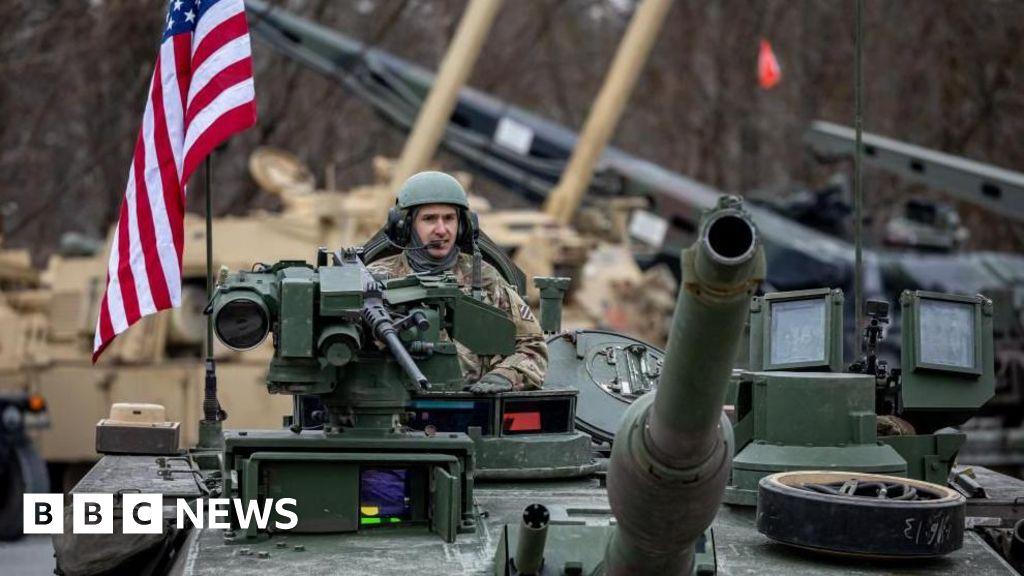
The Times of Israel provided a different set of figures, saying there were 36,436 active-duty US troops in NATO ally Germany as of December 31, 2025, compared to 12,662 in Italy and 3,814 in Spain.
Politico said the Pentagon’s order would leave about 33,000 troops in Germany, and it described the withdrawal as a “relatively minor drawdown” of a buildup that began under Joe Biden in February 2022.
Arab News PK said the United States had 36,436 active-duty personnel stationed in Germany as of December 31, 2025, and it described that as Washington’s largest military presence in Europe.
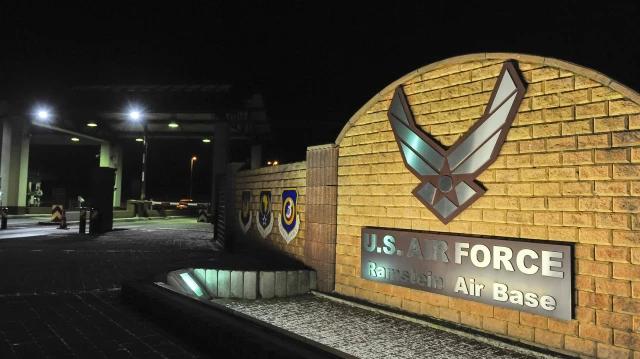
DW added local detail from Ramstein, with Ramstein Mayor Ralf Hechler telling DW that his town expected the US decision to pull 5,000 troops from the US air base stationed there, and he described the base as “the largest American community” outside of the United States, amounting to around 45,000 soldiers and their relatives, or some 54,000 US citizens in total.
The Times of Israel said Foreign Minister Johann Wadephul cited Ramstein Air Base as having “an irreplaceable function for the United States and for us alike,” while Arab News PK said Wadephul stressed that key American bases such as Ramstein remain vital and “not up for discussion.”
What happens next
The sources framed the next phase as both a bureaucratic process inside NATO and a political test of whether European governments can compensate for any reduction in US forces.
“Germany says US troop withdrawal 'foreseeable' as Nato seeks clarification Germany's defence minister has said the US decision to withdraw 5,000 troops from his country was "foreseeable", as the Nato military alliance says it is seeking clarification from Washington”
NATO’s Allison Hart said the alliance was working with the US to understand the details of the decision on force posture, and she linked that process to a push for Europe to invest more in defence and take on a greater share of responsibility for shared security.
The BBC reported that the US move raised concerns within the 32-member NATO alliance that it could weaken the organisation, quoting Polish Prime Minister Donald Tusk warning that “The greatest threat to the transatlantic community are not its external enemies, but the ongoing disintegration of our alliance.”
NBC News described European leaders calling for the continent to learn how to defend itself, while also noting that the drawdown came after Merz said the US had been “humiliated” by Iran, capping weeks of Trump’s frustration that European allies were not doing enough.
Arab News PK said NATO was seeking clarification from Washington and quoted Hart saying the move highlighted the need for Europe to boost defense spending and assume greater responsibility for its security.
The Pentagon’s timeline also remained central, with the BBC and Politico both saying the withdrawal would be completed over the next six to twelve months, and Politico quoting Sean Parnell’s statement that “We expect the withdrawal to be completed over the next six to twelve months.”
Across the reporting, the common thread was that the decision would be treated as part of a broader shift in how Washington and European allies manage security and leverage, with Al Jazeera’s former US diplomat Donald Jensen describing the move as reflecting “a changing US strategic set of objectives.”
More on Europe
Trump Links Greenland To U.S. National Security, Says NATO Becomes More Effective
21 sources compared
Tangier Med Port Prepares More Ship Arrivals as Strait of Hormuz Crisis Reroutes Traffic
12 sources compared

Venice Biennale Jury Resigns Nine Days Before Opening Over Russia and Israel Awards Ban
24 sources compared

Police Arrest 36-Year-Old Man for Assaulting French Nun at Jerusalem’s Cenacle
15 sources compared