USA16 June, 20263 min read
Trump Presses European Companies to Comply With U.S. Anti-Discrimination Law
This article is an automated aggregation of coverage from news outlets. Our editorials offer in-depth analysis curated by the NewsCord team.
Trump executive order bars federal contractors from adopting DEI policies. U.S. embassies pressure European firms to scrub affirmative-action policies for bids.
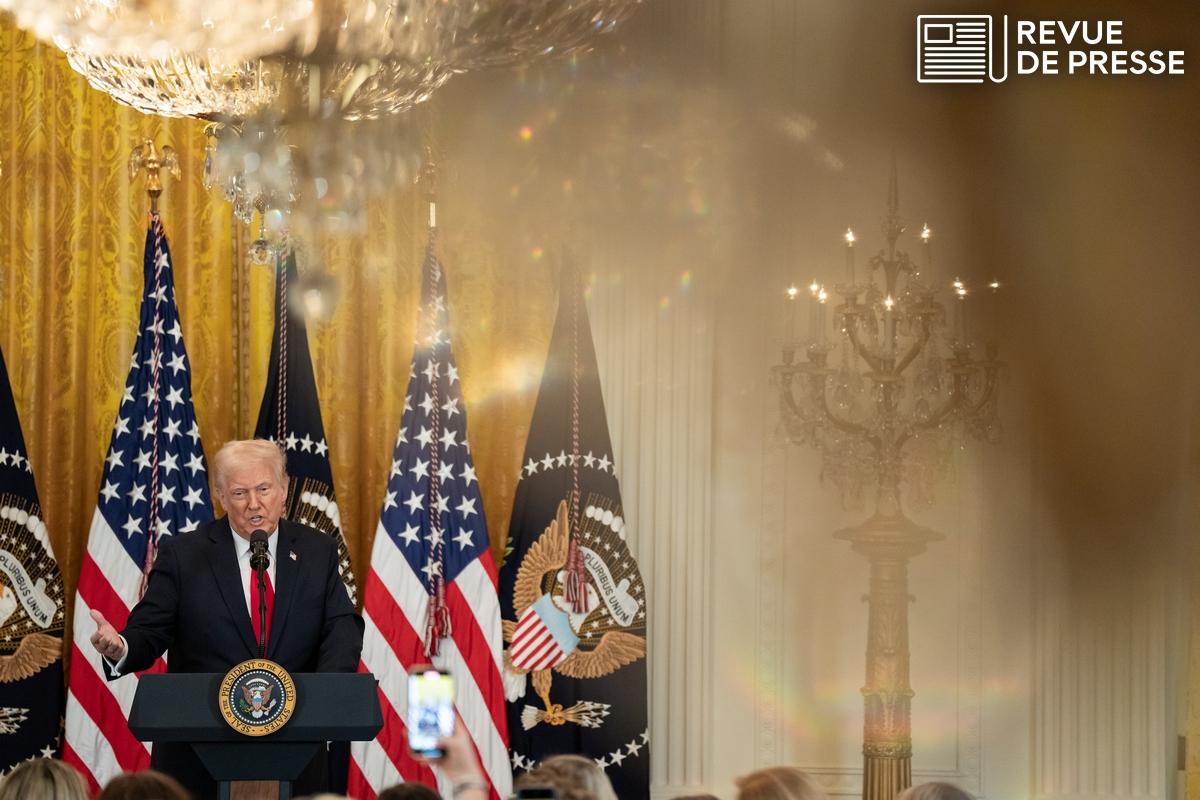
Trump targets DEI abroad
Donald Trump is pressing European companies to comply with U.S. anti-discrimination law by sending letters from the U.S. Embassy in Paris to tri-color groups and hexagonal law firms likely to respond to American federal procurement bids, according to Les Echos on Friday, March 28.
The contractor or prospective bidder certifies that it does not implement diversity, equity, and inclusion programs that violate applicable federal anti-discrimination laws in the United States, using a questionnaire attached to the letter, as described by Les Echos and Le Monde.
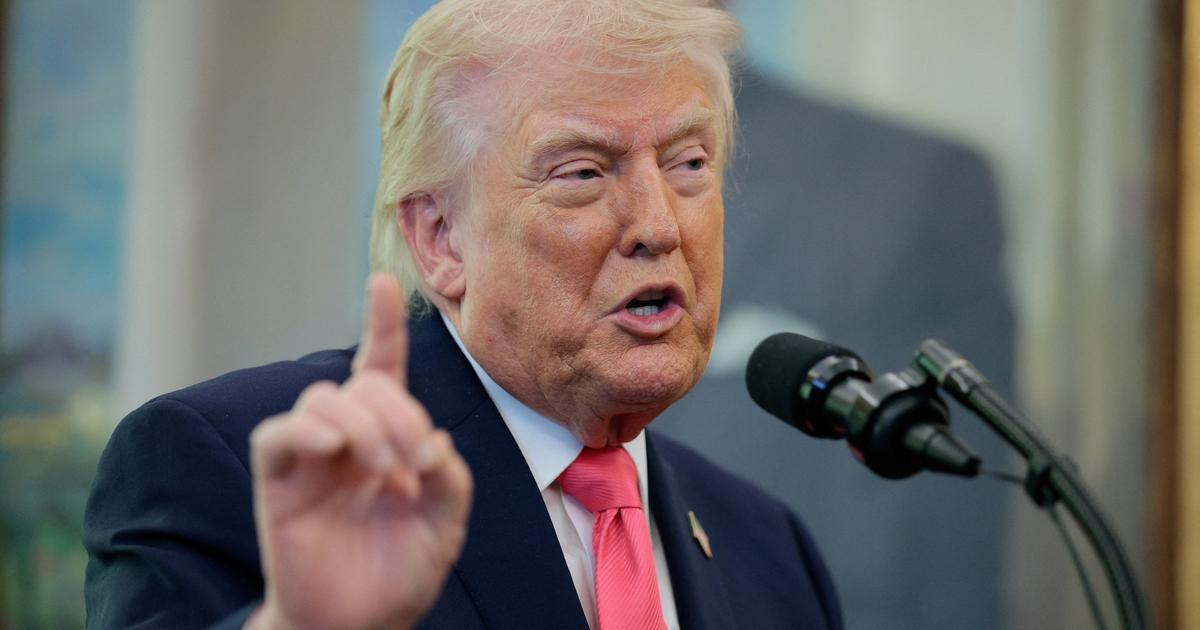
Several European countries are targeted, with Le Figaro confirming that the letter sent by the U.S. embassy has also been received in other European countries and the Financial Times reporting that the letter had also been sent by American diplomats in Belgium and in Eastern EU countries.
On Saturday, Corriere della Sera reported that Italian companies were facing the same situation, while Politico said the White House is pushing its views beyond its borders and provoking alarm and concern among business circles.
Patrick Martin, head of Medef, said Sunday, "We cannot bow; we have values and rules, and we must respect them," as the episode heightens transatlantic tensions just days before another escalation in the ongoing trade war.
Decree blocks federal contracts
Trump issued on Thursday an executive order prohibiting companies that work with the federal government from adopting internal policies to combat racism or sexism, with the decree taking effect in 30 days, according to Le Figaro and Le Monde. The decree comes amid regular attacks by Trump against diversity, equity and inclusion (DEI) programs, and Trump wrote in the decree, "My administration has made significant progress in ending racial discrimination in American society, including the so-called 'diversity, equity and inclusion' (DEI) activities," as quoted by Le Figaro and Le Monde. To win contracts, companies must include in their contracts a seven-paragraph clause ensuring that "the contractor does not engage in any DEI activity involving racial discrimination," Le Figaro and Le Monde reported.
Le Monde said Trump hunted DEI programs within the federal administration, universities and schools, and in sports, and it noted he placed federal employees working in the diversity offices on temporary layoff after ordering the closure of these programs. The Intercept added that the chair of the Equal Employment Opportunity Commission, Andrea Lucas, proposed to rescind the “Affirmative Action Appropriate Under Title VII of the Civil Rights Act of 1964” rule on May 27, framing it as part of an assault on equality for people of color and for women.

EEOC rule and legal fight
The Intercept reported that EEOC chair Andrea Lucas, appointed by President Donald Trump, moved to delete the agency’s affirmative action rule implemented almost 50 years ago, proposing to rescind it on May 27.
Former EEOC commissioner Jocelyn Samuels said the proposed rescission is "part of this administration’s continued assault on equality for people of color and for women," and she added that the change reflects Trump’s "solicitude for the fortunes of white men."
The Intercept said the rule Lucas wants to do away with was crafted shortly after the EEOC was granted litigation authority in 1972, and it described how employers must show they had shut out women or people of color for a long time, referring to “prior discriminatory practices.”
The Intercept also quoted Charlotte Burrows, a senior affiliated research scholar at New York University’s School of Law and a former EEOC chair, saying, "The EEOC can’t change that," in reference to Supreme Court interpretation.
It further reported that after Lucas asked the Office of Legal Counsel at the Department of Justice to weigh in, the department released an opinion that the agency’s affirmative action guidelines "run further into unconstitutional territory," while the Intercept said the Supreme Court’s decisions in Johnson v. Transportation Agency and United Steelworkers of America v. Weber still stand.