USA14 March, 20264 min read
Trump Renames Kennedy Center, Triggers Joyce Beatty Lawsuit
This article is an automated aggregation of coverage from news outlets. Our editorials offer in-depth analysis curated by the NewsCord team.
Board renamed Kennedy Center to include Donald Trump's name in its official title. Democrats, led by Joyce Beatty, sued to remove Trump's name from the Kennedy Center.

Name Change Sparks Legal Battle
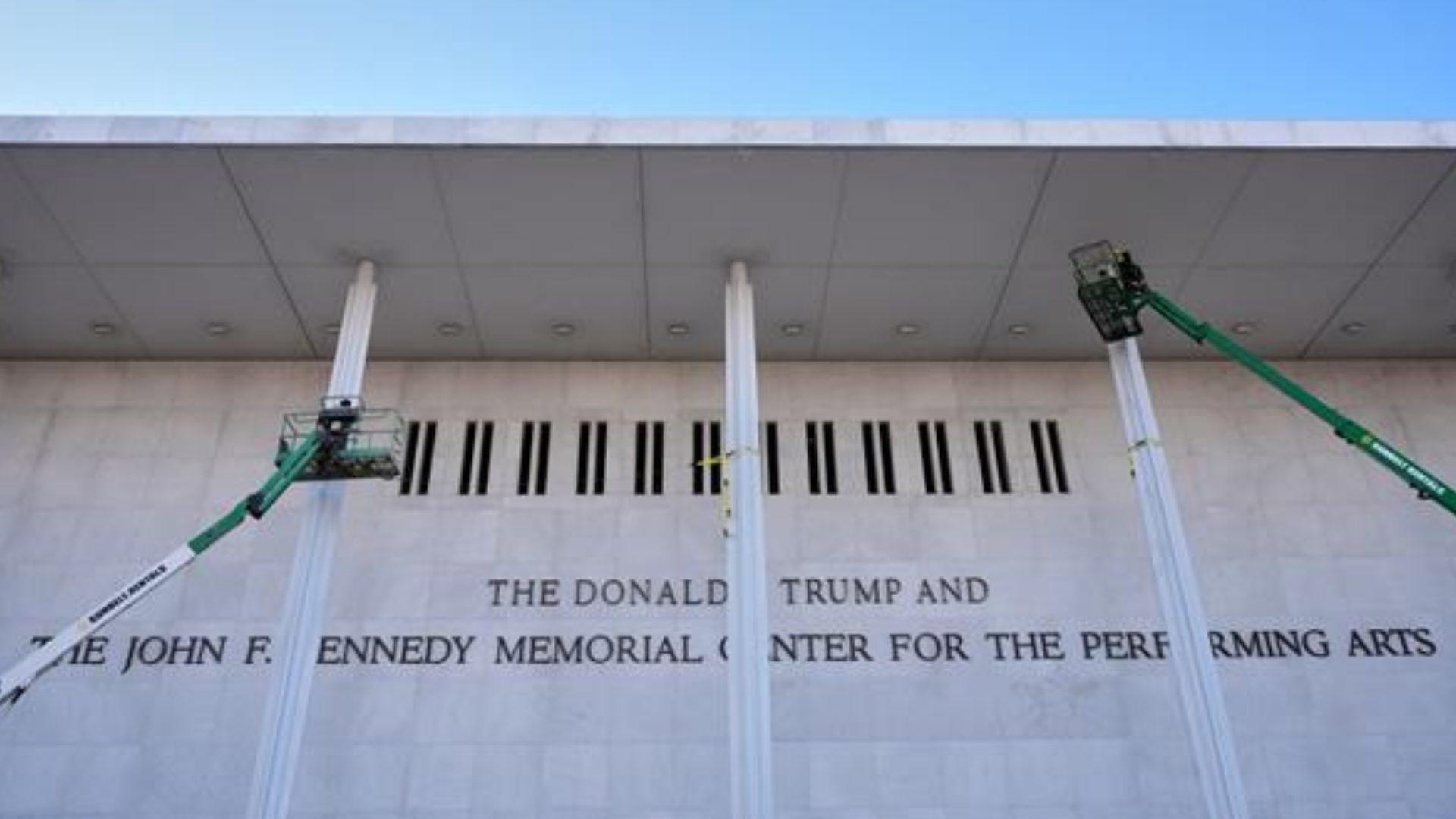
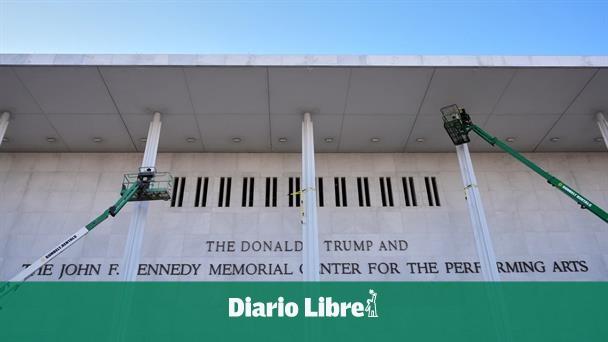
The Trump administration orchestrated a controversial renaming of the John F. Kennedy Center for the Performing Arts to 'The Trump Kennedy Center,' triggering immediate legal resistance from Democratic Representative Joyce Beatty.
“Trump announced Feb. 1 on his social media platform, Truth Social, that the center would shut down for two years for construction. Many performers canceled scheduled appearances in protest of Trump's changes.”
The board of trustees, recently reconstituted with Trump appointees, voted unanimously on December 18, 2025, to approve the name change, though Beatty disputed the unanimity claim.
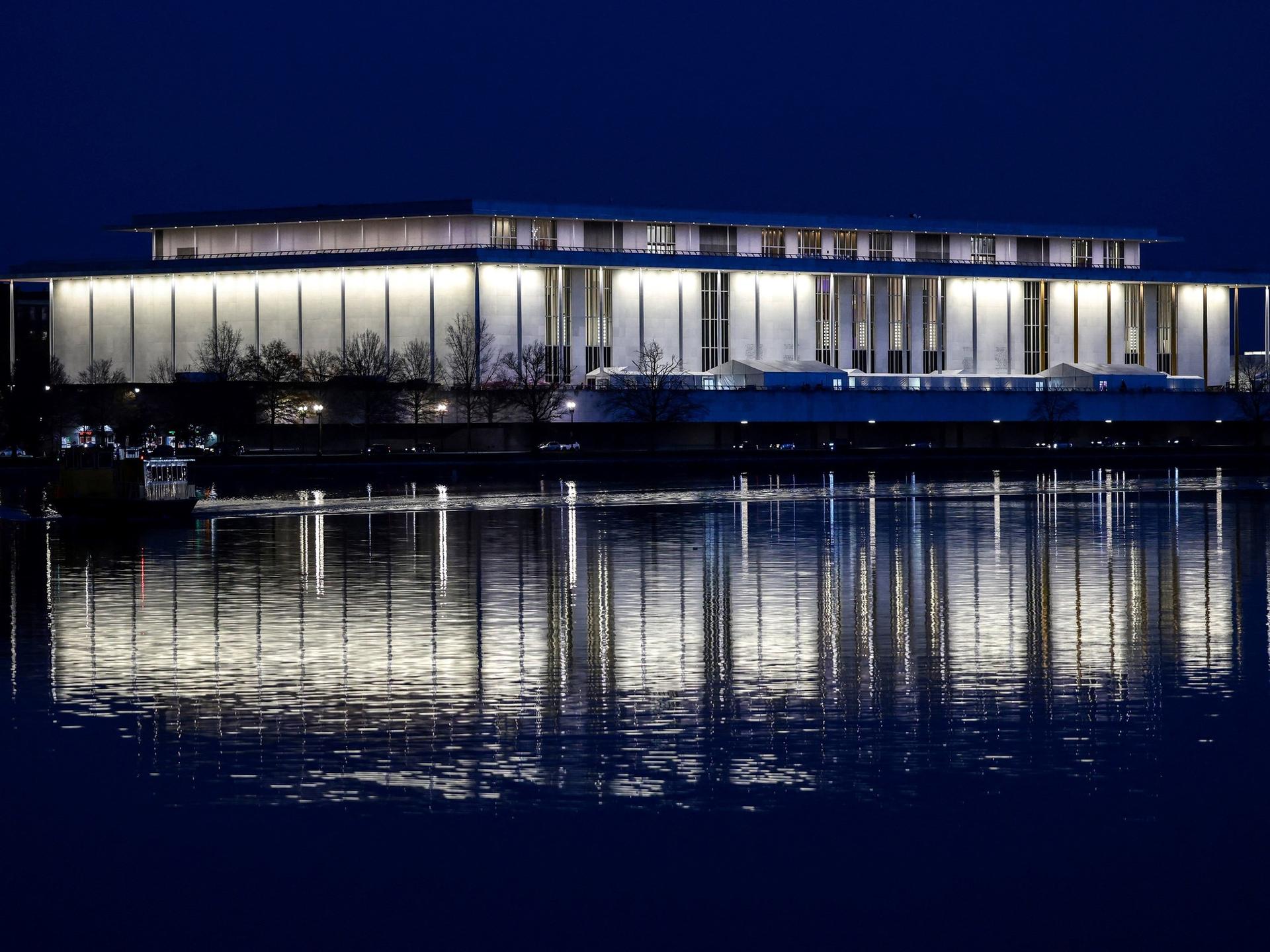
The administration defended the renaming as recognition for Trump's work in saving the institution from financial collapse, while Beatty filed a lawsuit arguing the change violates constitutional principles requiring congressional approval for federal building name changes.
The legal battle intensified when a federal judge granted Beatty access to planning documents and the right to speak at board meetings, setting up a direct confrontation between Trump's efforts to reshape the institution in his image and congressional oversight authority.
Institutional Restructuring
Since taking office, Trump has asserted unprecedented control over the Kennedy Center through systematic institutional restructuring. In February 2025, he removed all board members appointed by his predecessor Joe Biden and installed his own allies, including Chief of Staff Susie Wiles, Attorney General Pam Bondi, Second Lady Usha Vance, and strategist Dan Scavino. This reconfiguration resulted in drastic staff reductions, with the human resources department estimating approximately 30 percent of employees were laid off or resigned.
The new leadership, including former ambassador to Germany Ric Grenell as president, has implemented significant changes to the institution's programming and operations, promising a 'golden age of the arts' while declaring the center 'will not be woke.' Despite claims of financial recovery, internal documents obtained by The New York Times revealed that ticket sales dropped by around 50 percent during a typical October week compared to the previous year, contradicting Trump's public assertions about the institution's recovery.
Legal Constitutional Issues
The legal controversy surrounding the Kennedy Center renaming touches on fundamental constitutional questions about congressional authority versus executive power.
“The complaint, which also points to the board members appointed by Trump, argues that last week's vote was illegal, since the law requires that any name change to the building be expressly approved by Congress and cannot be decided solely at an administrative level.”
The official name of the cultural complex is established by Congressional law designating it as the John F. Kennedy Center for the Performing Arts, with a historical consensus that only the Legislative Branch can modify such designations.
Legal experts have expressed serious concerns about the board's authority to unilaterally change the name, with University of Pittsburgh law professor Phil Hackney noting that 'when you operate outside the law, you anger people' and predicting 'eventually, there will be a reckoning.'
The administration has cited secured congressional funding for renovations as justification for the changes, but critics argue this represents an abuse of power by using financial leverage to force institutional compliance.
The situation parallels other Trump administration rebranding efforts, including the renaming of the U.S. Institute of Peace building, suggesting a broader pattern of using executive power to shape federal institutions and memorials.
Programming and Cultural Shifts
The cultural and artistic programming of the Kennedy Center has undergone significant transformation under Trump's leadership, reflecting broader ideological shifts and partisan priorities. The administration has implemented a policy of financial balance for each show and reviewed programming with the stated aim of attracting a mass audience, moving away from traditional arts programming. This approach was most evident during the 2025 Kennedy Center Honors, where the honorees list included figures like Sylvester Stallone, the band Kiss, and Gloria Gaynor—a selection that reflected the administration's cultural criteria rather than traditional artistic merit.
The programming changes have been accompanied by increased bookings for Christian and right-leaning events, with the center's new president Richard Grenell writing that 'The Trump Kennedy Center shows a bipartisan commitment to the arts' while promoting these changes. The controversy extends beyond programming to Trump's approach to cultural institutions, with Notre Dame professor Erika Doss describing the renaming as 'a public relations maneuver for his image' and noting that 'Trump wants to be historic now, hence his demands for false peace prizes and building naming rights.'
Political Reactions and Investigations
The political fallout from the Kennedy Center controversy has created a partisan divide with competing legislative proposals and investigations. Republican Representative Bob Onder of Missouri, who had previously introduced legislation to rename the Kennedy Center in honor of Trump, has actively promoted the board's decision on social media, writing 'I got it done!' and expressing excitement about working with the White House to make the name change permanent. In response, Independent Senator Bernie Sanders of Vermont announced plans to introduce legislation prohibiting federal buildings from being named after sitting presidents, a direct rebuke to Trump's actions.
“También dijo que Trump está 'trabajando para preservar la integridad de las bellas artes poniendo fin a la programación woke' y que está 'emocionado por la decisión de la junta de cambiar el nombre y espera trabajar con la Casa Blanca para ayudar a que esto suceda'.”
Meanwhile, Senate Democrats have launched an investigation into the Kennedy Center, examining excessive spending and improper agreements with political allies, with the center's leadership dismissing these accusations as 'false partisan attacks.' The situation has reignited debates about the role of government in supporting the arts and the politicization of cultural institutions, with the White House Historical Association maintaining that 'defense of the arts endures as a vital part' of Kennedy's legacy, pointing to the Kennedys' support for numerous concerts and performances.