Full story
Blockade Restarts, Strikes Continue
The United States restarted its maritime blockade on Iranian ports on Tuesday at 4 p.m. ET, as President Donald Trump ordered the action and the U.S. also launched additional strikes on Iran for the fourth consecutive night.
“DUBAI, United Arab Emirates -- The U”
CBS News reported that Trump said he "decided to replace" a planned 20% fee on cargo through the Strait of Hormuz with trade and investment deals from Gulf states, while Iran threatened ships that sail through the waterway without its permission.

NPR said U.S. Central Command stated, "U.S. forces resumed the naval blockade against vessels transiting to and from Iranian ports and coastal areas today at 4 p.m. ET," and described "more than 20 U.S. Navy warships and hundreds of military aircraft operating across the Middle East."
CBS News also tied the renewed fighting to shipping and energy impacts, saying the price of crude oil has shot up over the last two days as U.S.-Iran fighting resumes, including Iranian attacks on cargo ships.
In the same escalation, NPR reported that Iran’s deputy foreign minister Kazem Gharibabadi said the U.S. had destroyed the countries' memorandum of understanding signed last month, according to state media.
Trump’s Fee Reversal, Iran’s Response
Trump’s shift on the Strait of Hormuz fees became a central part of the U.S. posture, with CBS News saying he "decided to replace" a planned 20% fee with trade and investment deals from Gulf states after the fee.
NPR quoted Trump’s reversal in a different way, reporting that he said he would not impose fees on ships and instead replace the 20% charge, writing, "Based on highly productive conversations with Middle East leadership, I have decided to replace the 20% United States Reimbursement Fee with Trade and Investment Deals".

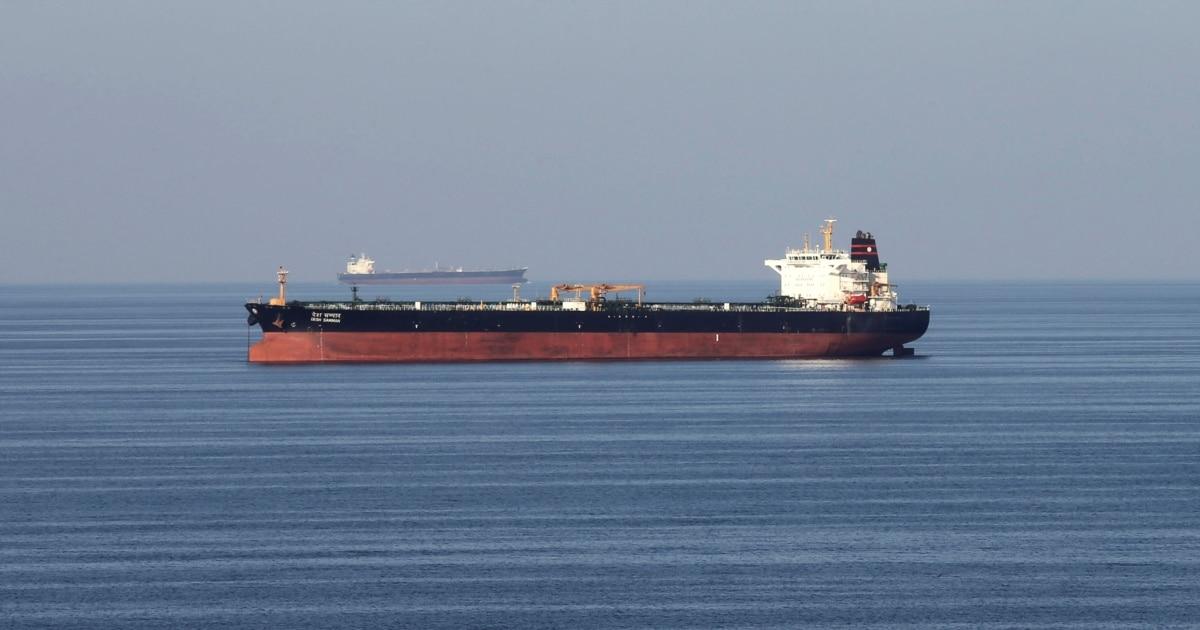
NPR also described Iran’s counter-escalation, saying Iran’s Revolutionary Guard struck "two non-compliant" supertankers in the Strait of Hormuz, according to a statement in Iranian state media.
The same CBS News account said Iran has threatened ships that sail through the waterway without its permission, and it reported that Kuwaiti forces intercepted 33 drones, five cruise missiles and one ballistic missile Tuesday evening.
NPR added that the standoff is unfolding alongside attacks beyond the strait, including Iran’s missiles and drones against U.S. military infrastructure in Bahrain and U.S. military outposts in Jordan, with Jordanian state media saying air defenses intercepted four Iranian missiles early Tuesday.
What’s at Stake Next
The renewed blockade and strikes are framed as part of a wider contest over control of the Strait of Hormuz, with NPR describing the standoff as raising "the specter of a return to all-out war in the region" as the ceasefire unravels.
“Tehran, Iran – Iranian lawmakers have tabled a new plan for the management of the Strait of Hormuz as the hardline-dominated parliament reconvened after nearly five months of confrontation with the United States”
CBS News said the blockade restart is the latest sign that fragile diplomatic efforts between the U.S. and Iran are fraying, noting that the two countries last month extended their ceasefire by 60 days and required the U.S. to end its naval blockade and required Iran to allow safe passage of commercial ships.
NPR reported that the deadlock over the waterway has disrupted global trade and increased fuel prices around the world, and it said control over the strait has emerged as the key point of contention between the U.S. and Iran.
In parallel, the Guardian reported that the U.S. Navy-led Joint Maritime Information Center said the blockade would be enforced from 20.00 GMT on 14 July and that "Any vessel suspected of entering or departing the blockaded area without authorisation is subject to interception, diversion and capture."
The Guardian also underscored the legal and diplomatic stakes around fees, quoting the IMO that it "stands firmly against charging fees for passage through straits used for international navigation" and said there is "no legal basis" for mandatory tolls simply to transit.


