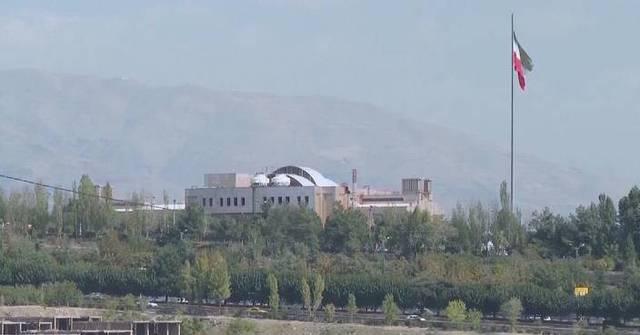
Trump Says Iran Deal Is Complete as Israel Strikes Lebanon, Ceasefire Begins
Key Takeaways
- Trump announced a memorandum of understanding to end the US-Israel-Iran war.
- The deal calls for halting all hostilities and will be signed within hours.
- Israeli strikes in Lebanon threaten the agreement and complicate talks.
MoU Ends War
Iran and the United States reached a tentative deal to end the US-Israel war on Iran, with Israeli attacks on Lebanon included, and US President Donald Trump said on Truth Social platform, "The deal with the Islamic Republic of Iran is now complete."
“World leaders have welcomed an announcement that Iran and the United States have reached a tentative deal to end the US-Israel war on Iran, including Israeli attacks on Lebanon, expressing hope for a potential path to a lasting end to the conflict”
Trump also declared, "Ships of the world, start your engines. Let the oil flow!" as the agreement was described as a path toward a potential lasting end to the conflict.

Iran’s deputy foreign minister Kazem Gharibabadi said a broader deal covering sanctions relief for Iran would be worked out during a 60-day ceasefire.
Pakistani Prime Minister Shehbaz Sharif said the accord is due to be signed on Friday in Switzerland after months of fighting that had "killed thousands of people" and sent global energy prices soaring.
The BBC reported that Trump told Fox News an agreement would be signed "within the next two to three hours," after he spoke by phone with Israeli Prime Minister Benjamin Netanyahu following strikes on Beirut.
Reactions and Divisions
In Iran, the media split over the US-Iran memorandum, with hardliners denouncing it as retreat and pro-diplomacy outlets framing it as a system-backed path to end the war and ease economic pressure.
Kayhan wrote, "Surrendering to the Great Satan under the guise of an ‘antidote’ or regional de-escalation is a betrayal of our long-standing resistance," while Khorasan framed the MoU as a tactical pause rather than a peace settlement.
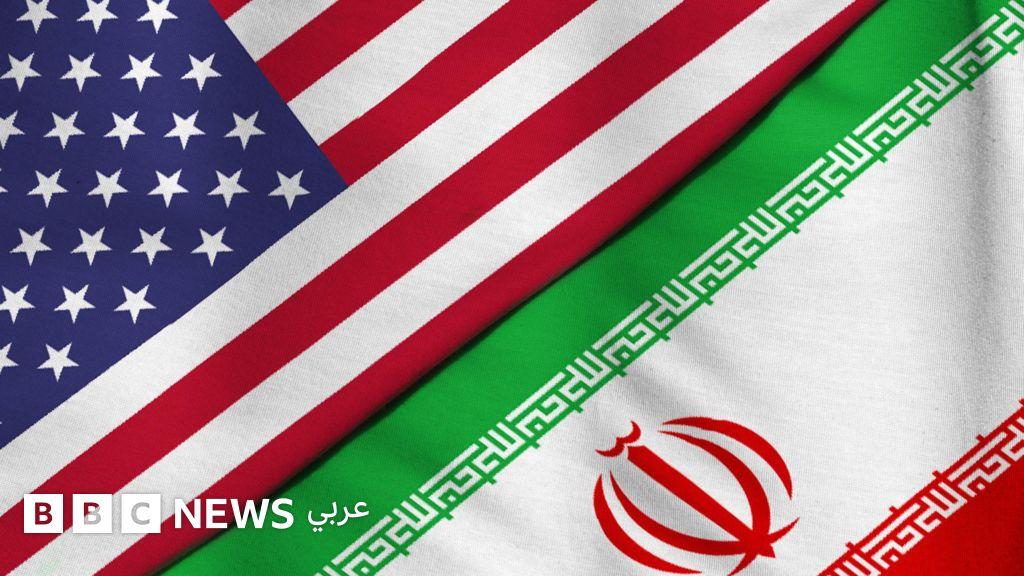
Reformist newspaper Shargh argued that diplomacy carried costs but that continued economic siege left Iran with few viable alternatives, writing, "Confronted with a choice between managed tactical retreats or total systemic rupture, holding a unified defense line" remains its shield.
Outside Iran, Israel Defence Minister Israel Katz said his country won’t withdraw from land it occupies in Lebanon, warning that Israel will strike Iran with "great force" if it attacks Israel over its strikes in Lebanon.
The BBC also noted that the agreement faced opposition from some hardline currents who oppose concessions, especially regarding control of the Strait of Hormuz.
What Comes Next
The MoU is described as an interim framework that gives Washington and Tehran 60 days to negotiate a permanent settlement, including disputes over Iran’s enriched uranium stockpile.
Radio Free Europe/Radio Liberty reported that the United States expects Iran not to charge fees for shipping through the Strait of Hormuz, quoting JD Vance saying, "Our expectation is that the strait is going to be opened in a toll-free way for the long-term."
RFE/RL also quoted Iran’s Foreign Ministry spokesman Esmail Baqaei saying, "for a specific period of time, we are going to arrange safe traffic in the Strait of Hormuz" and that Iran would design and collect necessary fees for services it provides.
The BBC said the draft stipulates Iran would reopen the strategic maritime passage immediately to all commercial ships in exchange for the United States lifting the naval ban on Iranian ports, while also describing a financial component that includes the release of $25 billion of Iranian assets frozen abroad.
The Al Jazeera roundup of world reactions included the European Union’s call for "swift and full implementation by all parties" and the UK’s insistence that "toll-free freedom of navigation must now be restored in the Strait of Hormuz."
More on Iran

Donald Trump Says US-Iran Deal Reopens Strait of Hormuz, Lifts Naval Blockade
11 sources compared

Donald Trump Says U.S. and Iran Reached Deal To Reopen Strait of Hormuz
21 sources compared
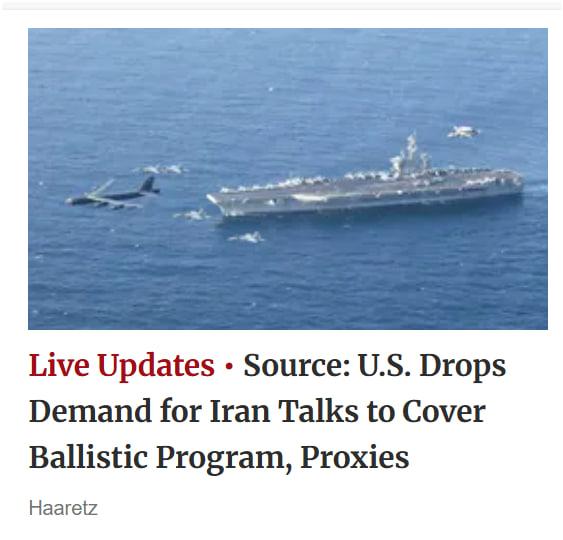
US-Iran Peace Deal Reopens Strait of Hormuz, Ends Naval Blockade, Defers Nuclear Talks
14 sources compared
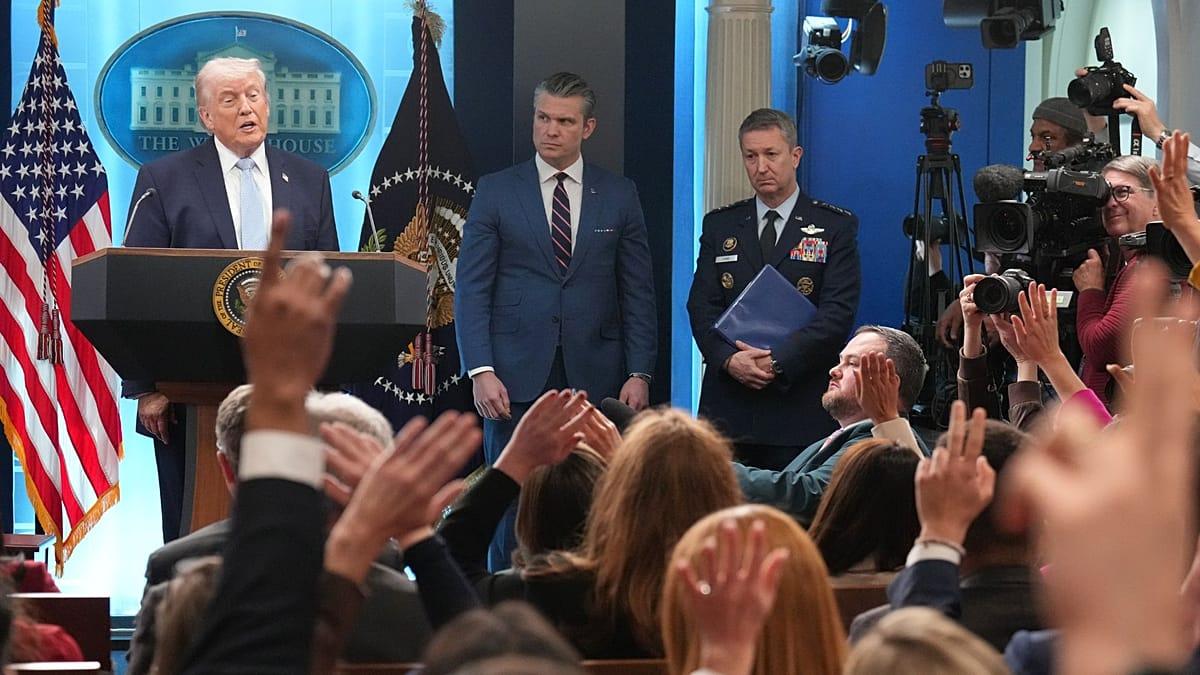
Trump And Iran Sign Memorandum, Reopen Strait Of Hormuz, Start 60 Days Of Nuclear Talks
14 sources compared