
United Arab Emirates Quits OPEC And OPEC+ Effective May 1, Weakening Oil Cartel
Key Takeaways
- UAE will leave OPEC and OPEC+ effective May 1, ending decades in the group.
- Exit weakens the cartel by removing its third-largest producer and its leverage.
- Move could spur Gulf realignment and disrupt OPEC unity amid supply shocks.
UAE quits OPEC
The United Arab Emirates said Tuesday it will leave OPEC effective May 1, stripping the oil cartel of its third-largest producer and weakening its leverage over global oil supplies and prices, according to AP.
The BBC reported the UAE is quitting both Opec and Opec+ after nearly 60 years of membership, with the UAE saying the decision would help it meet growing global energy demand in the long term after investments to boost production capacity.
The UAE’s announcement was made via its state-run WAM news agency, and the UAE said it would bring “additional production to market in a gradual and measured manner, aligned with demand and market conditions,” as AP reported.
DW described the UAE’s move as a “shock move amid energy turmoil,” quoting the UAE’s Ministry of Energy and Infrastructure that “This decision follows a comprehensive review of the UAE's production policy and its current and future capacity and is based on our national interest and our commitment to contributing effectively to meeting the market's pressing needs.”
The Guardian framed the exit as “a win for Trump as oil cartel weakened,” saying the UAE quit after 60 years of membership.
The Conversation added that the UAE announced on April 28, 2026, that it will depart OPEC and OPEC+ on May 1, depriving the groups of their third- and fourth-largest oil producer, respectively.
Why now
Multiple outlets tied the UAE’s departure to the war on Iran and the resulting pressure on Gulf exports through the Strait of Hormuz.
AP said the UAE’s withdrawal “won’t necessarily have any immediate effects in markets” because “world oil supplies are sharply constrained by the war in Iran, which has closed off the Strait of Hormuz,” adding that the waterway carries “one-fifth of global oil supplies.”

The BBC similarly said the UAE’s departure “will not have an immediate impact on global energy supply, due to the ongoing closure of the Strait of Hormuz,” while also noting oil prices rose to $113 a barrel on Tuesday compared to around $73 before the war began.
Euronews reported that the move came as the blockade of the Strait of Hormuz remained in place and that investors weighed “the potential for higher future output from the UAE against the immediate and acute risks posed to global supply routes.”
The Conversation described a longer buildup, saying the UAE announced on April 28, 2026, that it will depart OPEC and OPEC+ on May 1, and it linked the decision to “years of Abu Dhabi’s complaints about the cartel.”
CBC connected the timing to “an unprecedented energy crisis triggered by the Iran war,” and it said the UAE’s exit reflects disagreement among Gulf nations as OPEC Gulf producers struggled to ship exports through the Strait of Hormuz because of Iranian threats and attacks against vessels.
Voices and reactions
UAE officials insisted the decision was not driven by a dispute with Saudi Arabia, while U.S. and industry figures framed the move as a blow to OPEC’s future effectiveness.
“Toggle Play UAE quits OPEC as oil cartel takes blow during war on Iran The UAE’s decision to quit OPEC to prioritise its ‘national interests’ deals a blow to the oil group already grappling with the challenge of shipping Gulf exports through the Strait of Hormuz”
AP quoted Emirati Energy Minister Suhail al-Mazrouei insisting, “We’ve been working together for years and years. We have the highest respect for the Saudis for leading OPEC,” and it noted the UAE sent its foreign minister rather than its ruler to a Gulf Arab leaders’ meeting in Jeddah hosted by Saudi Crown Prince Mohammed bin Salman.
CBC reported that Suhail Mohamed al-Mazrouei told Reuters the UAE did not raise the issue with any other country, saying, “This is a policy decision, it has been done after a careful look at current and future policies related to level of production,” and it added that he was asked whether the UAE consulted with Saudi Arabia.
The BBC cited analyst Saul Kavonic saying the exit was “the beginning of the end” for the alliance and that “Opec loses about 15% of its capacity and one of its most compliant members.”
Neil Atkinson, the International Energy Agency’s former head of the oil industry and markets division, told the BBC’s Today programme that it is “a major blow to the future effectiveness” of Opec and that once normal production resumes after the war, Opec’s ability to influence prices will be “clearly weakened.”
The Conversation and CFR both emphasized the geopolitical dimension, with CFR’s Steven A. Cook writing that the Emirati leadership believes OPEC decision-making “has not served Abu Dhabi’s economic interests,” and it described the bilateral relationship as “fraught.”
How outlets framed it
Coverage diverged on how immediate the market impact would be and on what the exit signaled about OPEC’s cohesion.
AP emphasized that “No immediate impact likely for world oil markets,” while also citing Brent crude trading “above $111 a barrel” and describing OPEC’s market power as “waning in recent years.”
Euronews reported that after the announcement, “Oil prices fell by between 2% and 3%,” particularly in futures contracts a couple of months ahead, before the move was “quickly offset by the risk premium” tied to the Middle East conflict.
The BBC described the exit as “the beginning of the end of Opec,” quoting an analyst and also stating that the UAE’s departure leaves the cartel with 11 members.
The Guardian framed the event as a “heavy blow” and a “win for Donald Trump,” while also adding that Trump had previously accused the organization of “ripping off the rest of the world” by holding back production.
The Conversation, by contrast, framed the decision as “long in the works” and said it “may mark the beginning of a Gulf realignment,” while also asserting that the UAE’s exit “affect[s] about 12% of OPEC’s total oil output.”
Stakes and next steps
The stakes described across outlets centered on OPEC’s ability to stabilize prices, the future of spare capacity inside the cartel, and the longer-term risk of more producers leaving.
“WASHINGTON—“A long time coming”
AP quoted Jorge Leon, head of geopolitical analysis at Rystad Energy, saying the UAE’s withdrawal removes “one of OPEC’s few members with the ability to quickly increase production,” and it warned that “A structurally weaker OPEC, with less spare capacity concentrated within the group, will find it increasingly difficult to calibrate supply and stabilize prices.”
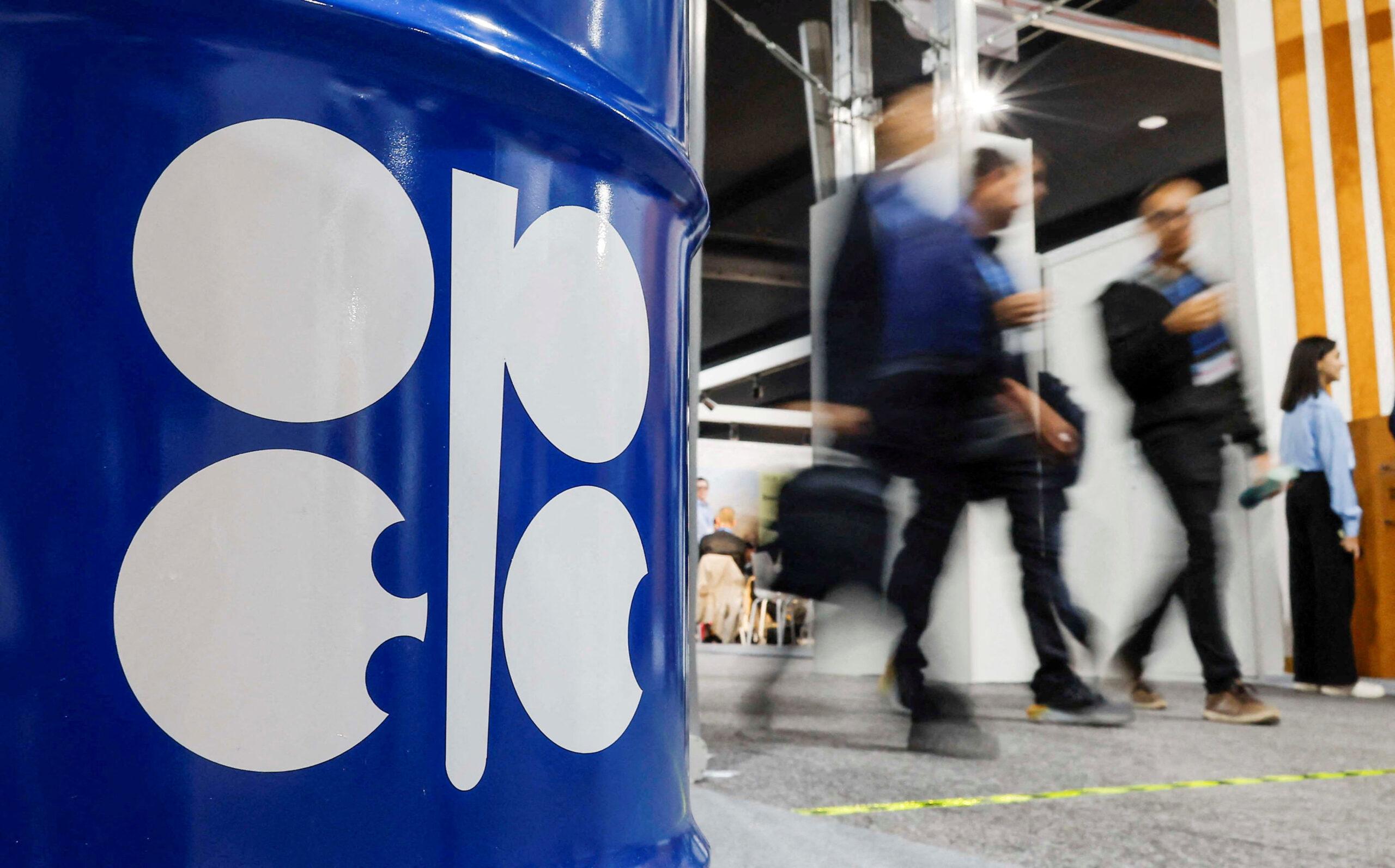
The BBC likewise said once normal oil production resumes after the war, Opec’s ability to influence prices will be “clearly weakened,” and it added that the UAE “will attempt to sell as much oil as they can to as many people as possible,” which would run against efforts to keep prices high.
The Guardian reported that the UAE’s exit is expected to weaken the group, and it cited Jorge León saying the UAE is “one of the few members with meaningful spare capacity,” while also noting that “While near-term effects may be muted given ongoing disruptions in the strait of Hormuz, the longer-term implication is a structurally weaker Opec.”
The Conversation argued the exit removes a “major swing producer,” weakening OPEC’s ability to respond rapidly to changing market conditions, and it said the UAE’s capacity expansion from “3.4 million barrels a day before the U.S.-Israel war against Iran” to “5 million barrels a day by 2027” was part of its rationale.
CBC added that the UAE’s exit could free it to increase output once exports via the Gulf resume because it would no longer be governed by OPEC quotas, while also saying the UAE move would not have a huge impact because of the situation in the strait.
More on Business

United Arab Emirates Quits OPEC And OPEC+ Effective May 1 Amid Strait Of Hormuz Disruptions
34 sources compared

Sheikh Mohammed bin Rashid Unveils Dubai Metro Gold Line, Dh34 Billion Underground Project
10 sources compared

Lufthansa Cuts 20,000 European Short-Haul Flights As Jet Fuel Prices Surge
11 sources compared

CMA Fines AA And BSM £4.2 Million For Illegal Drip Pricing, Orders Refunds
11 sources compared