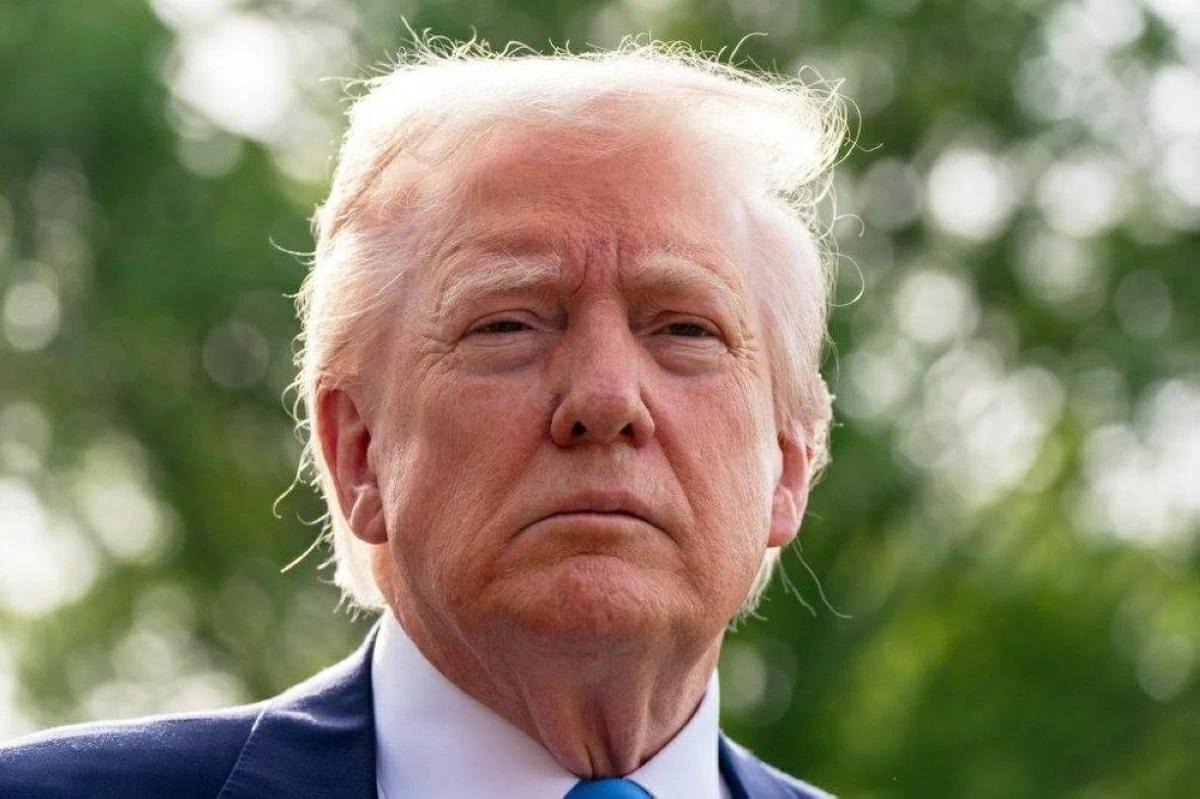
Trump Says Iran Wants the U.S. to Open the Strait of Hormuz ASAP
Key Takeaways
- Iran offered to reopen Strait of Hormuz conditional on US lifting blockade and ending war.
- Trump says Iran asked the United States to open Hormuz as soon as possible.
- Oil prices rose amid stalled talks and Hormuz-related tensions.
Trump’s “Collapse” Claim
President Donald Trump said Iran told the United States it is “in a ‘State of Collapse’” and wants Washington to “Open the Hormuz Strait,” “as soon as possible,” as it tries to figure out its leadership situation.
Axios reports Trump made the claim Tuesday, adding in his post that “Iran has just informed us that they are in a 'State of Collapse.' They want us to 'Open the Hormuz Strait,' as soon as possible, as they try to figure out their leadership situation (Which I believe they will be able to do!).”.
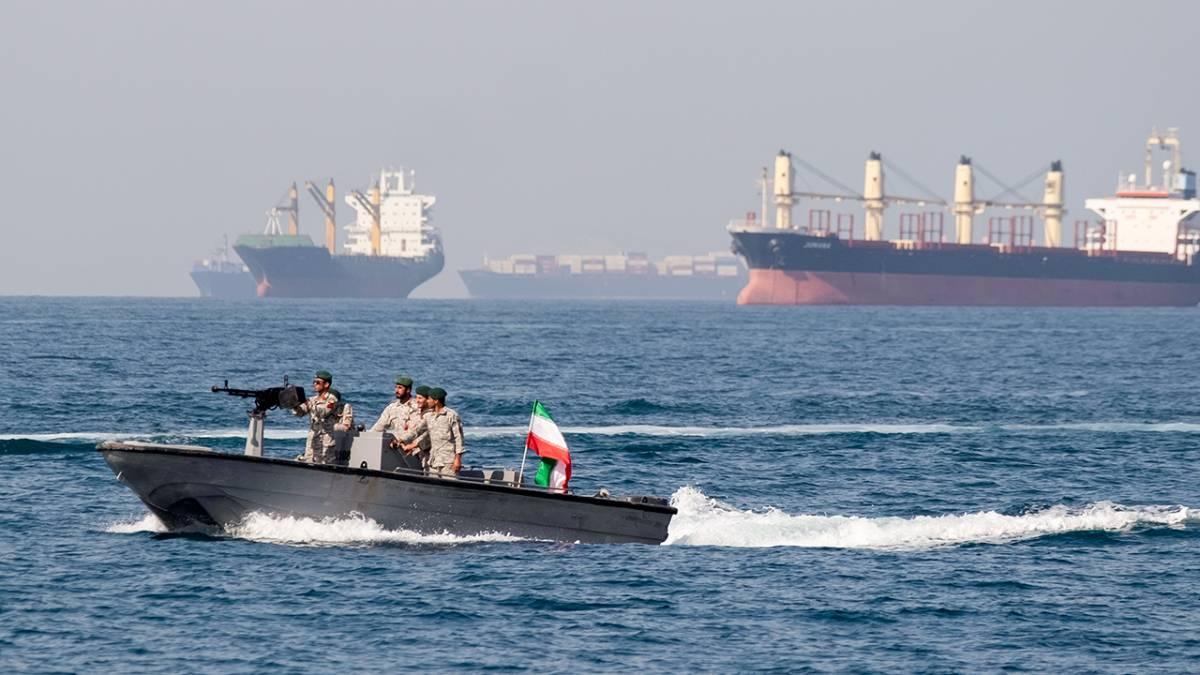
The same Axios account says Iran has not confirmed it is willing to reopen the strait, and notes Trump’s claim came days after Iran proposed a deal that would reopen the strait and lift the blockade first, postponing nuclear talks to a later stage.
The Reuters-based framing also appears in Al Arabiya, which says it was not clear from Trump’s post how Iran conveyed the message and that “Iran has not commented on the matter yet.”
Al Arabiya also quotes Trump’s Truth Social wording: “Iran just told us that it is in a 'state of collapse' and wants us to 'open the Strait of Hormuz' as soon as possible during its leadership transition (and I think they will be able to do so!).”.
Reuters is also cited by Al Arabiya for the point that an American official said Trump was unhappy with Iran’s latest proposal to end the war that has been ongoing for two months.
NBC News adds that Trump warned “better get smart soon” Wednesday as he weighed military options for the Strait of Hormuz with peace talks at an impasse, and that the standoff means the key trade route has been effectively blocked for two months.
Negotiations, Blockade, and Nuclear Red Lines
Multiple outlets describe a negotiation structure in which reopening the Strait of Hormuz is linked to lifting the U.S. naval blockade, while the nuclear program remains a central sticking point.
The New York Times reports that Trump told advisers he was “not satisfied with Iran’s latest proposal to reopen the Strait of Hormuz and end the war,” and says the proposal “also called on the United States to end its naval blockade” while “set aside questions about what to do with Iran’s nuclear program.”

The New York Times adds that Iran has “repeatedly rejected American proposals to suspend its nuclear program and hand over its stockpile of highly enriched uranium,” and it notes it was “not clear precisely why Mr. Trump is not satisfied with the proposal,” though it says Trump “has repeatedly insisted that Iran cannot have nuclear weapons.”
NBC News similarly says the U.S. showed “little immediate enthusiasm” for a new Iranian proposal that would end the war and reopen the strait “without resolving the impasse over the Islamic Republic’s nuclear program.”
In the same NBC News account, White House spokesperson Anna Kelly said in a statement that “The president will only enter into an agreement that puts U.S. national security first,” and that “he has been clear that Iran can never possess a nuclear weapon.”
Secretary of State Marco Rubio is quoted by NBC News as saying any agreement must “definitively prevents them from sprinting toward a nuclear weapon at any point.”
The Hill reports that Trump discussed extending the blockade on Iranian ports in the Strait of Hormuz and that the U.S. Navy’s blockade “began more than two weeks ago,” with the official saying it is intended to put pressure on Iran by stopping ships from delivering Iranian oil.
Threats, AI Imagery, and Congressional Scrutiny
Trump’s pressure campaign is described across outlets as combining public warnings with provocative imagery and a shift toward military options while lawmakers question the administration’s approach.
CBS News says Trump issued a new warning early Wednesday telling the regime to “get smart soon” and make a deal to end the war and reopen the strait, and it adds that his social media post included an AI image of himself with a rifle and explosions in the background.
The Hill and NBC News both quote Trump’s Truth Social message, with NBC News writing that Trump posted: “Iran can’t get their act together. They don’t know how to sign a nonnuclear deal. They better get smart soon!” and describing the accompanying “NO MORE MR. NICE GUY!” caption.
Axios reports White House press secretary Karoline Leavitt said Monday that “The president's red lines with respect to Iran have been made very, very clear, not just to the American public, but also to them as well.”
CBS News adds that a senior Iranian lawmaker reissued a threat on behalf of the regime warning that if the U.S. continues intercepting its ships, Iran may ask its Houthi allies in Yemen to disrupt the Bab el-Mandeb strait.
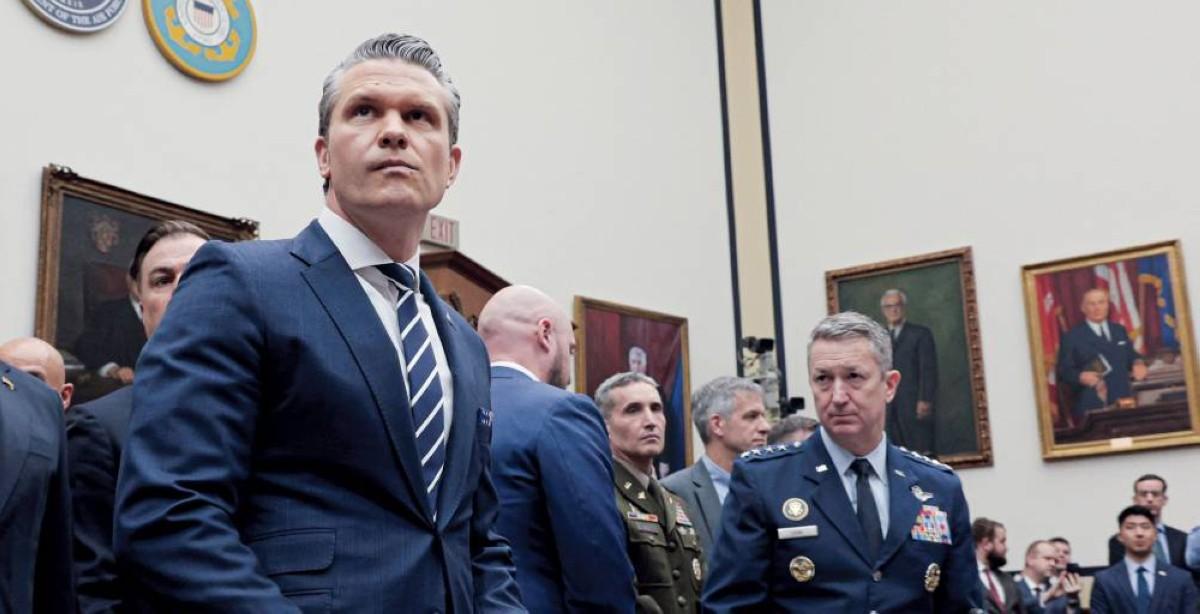
On Capitol Hill, CBS News says Defense Secretary Pete Hegseth faced questions from lawmakers Wednesday for the first time since the Trump administration launched its joint war with Israel against Iran, and it quotes Rep. Adam Smith saying, “Where is this going? What is the plan to achieve our objectives? We've seen the cost, and the cost is very, very high.”
NBC News adds that the options discussed during Monday’s meeting in the Situation Room included whether the U.S. military presence in the strait should change—either increase or decrease—and whether the military should become more aggressive in conducting operations there.
Russia, Mediation Attempts, and Competing Channels
As U.S.-Iran talks stall, Fox News reports that Iran’s foreign minister Abbas Araghchi met Russian President Vladimir Putin in Moscow as diplomatic efforts appeared to collapse, raising the risk of further escalation in the Strait of Hormuz.
Fox News says Araghchi arrived in Moscow for talks with Putin and quotes Putin saying, “We see how courageously and heroically the people of Iran are fighting for their independence, for their sovereignty,” while Kremlin spokesperson Dmitry Peskov told reporters, “The significance of this conversation is hard to overestimate in terms of how the situation around Iran and in the Middle East is developing.”

The Fox News account also says Araghchi held talks with Pakistani mediators where he questioned whether the U.S. was “truly serious about diplomacy,” and it notes Trump pushed back by signaling Washington believes it holds the advantage.
Fox News adds that War Secretary Pete Hegseth warned in March that Russia “should not be involved” in the escalating war, after reports suggested Moscow may have shared intelligence with Tehran on U.S. military positions.
The same Fox News report says Araghchi acknowledged that Russia is assisting Iran “in many different directions,” though he “has not publicly detailed the scope of that cooperation.”
It also says Russia has proposed storing Iran’s enriched uranium as part of a potential effort to ease tensions, though the U.S. has not taken up the offer.
The Guardian adds that “the latest attempts to dispatch his Middle East envoys, Steve Witkoff and Jared Kushner, were cut off abruptly by the president,” and it says previous rounds ended inconclusively.
Energy Costs and the Next Moves
The sources tie the Strait of Hormuz standoff to immediate economic pressure, with multiple outlets quoting energy price spikes and warning about broader consequences.
NBC News says the standoff means the key trade route has been effectively blocked for two months and that energy prices have soared, with “gas price averages in the U.S. reached $4.23 a gallon” and “Brent crude surged to $115 a barrel early Wednesday.”

The Hill similarly reports gas prices rose “to nearly $4.23 per gallon, according to AAA,” and says Brent crude “sat at $116 per barrel on Wednesday,” while also describing the political stakes as a midterm election year where rising energy prices are “a huge political problem.”
CBS News reports EU leader Ursula von der Leyen said the Iran war is costing the bloc “almost 500 million euros ($600 million) every day,” and it quotes her warning that EU countries must funnel energy aid to vulnerable households and industries or risk wasting “billions of euros.”
The Guardian frames the economic impact as a “global economic crisis which shows no signs of abating,” and it quotes Aaron David Miller saying, “The status quo is not tolerable … there has to be a fix to it.”
In terms of what comes next, NBC News says Trump has not made decisions about the way forward, and that Monday’s Situation Room options included whether the U.S. military presence should increase or decrease and whether operations should become more aggressive.
The Hill says Trump discussed extending the blockade on Iranian ports and how to minimize the impact to consumers during a meeting with energy executives at the White House, and it reports that the U.S. Navy’s blockade is intended to continue “for months if needed.”
More on Iran
Donald Trump Posts AI Image With Rifle, Threatens Iran With “No More Mr. Nice Guy”
13 sources compared
Oil Prices Climb as Iran Proposes Reopening Strait of Hormuz With U.S. Nuclear Talks Deferred
13 sources compared

Sir Christian Turner Says U.S. Only Special Relationship Is Probably Israel
14 sources compared
U.S. Intelligence Agencies Assess How Iran Would Respond If Trump Declares Victory
13 sources compared