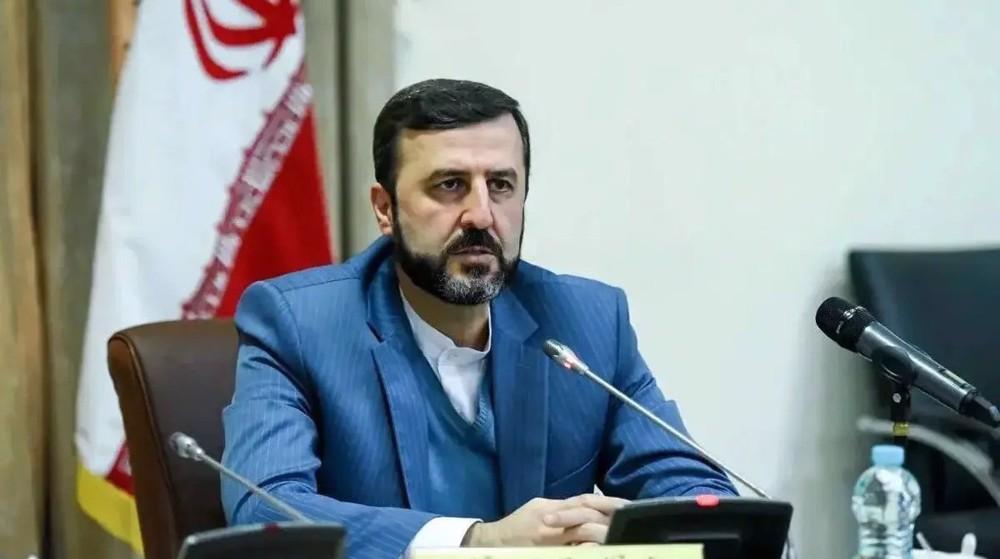
Trump Says Iran’s Enriched Uranium Will Be Turned Over Or Destroyed As Talks Intensify
Key Takeaways
- Trump says Iran's enriched uranium will be destroyed or turned over.
- Deal in principle to reopen Hormuz; no final signed agreement.
- Attack delayed amid serious negotiations; ongoing talks.
Deal Talks, Uranium, Hormuz
US President Donald Trump said on Truth Social on May 25 that Iran’s enriched uranium will be "either be immediately turned over" to be shipped to and destroyed in the United States or destroyed in Iran itself or "any other acceptable location," as negotiations between the US and Iran entered a contentious phase.
Iran’s top negotiator Mohammad Baqer Qalibaf and Foreign Minister Abbas Araqchi traveled to Doha for talks with Qatar’s prime minister, Mohammed bin Abdulrahman bin Jassim bin Jaber Al Thani, with discussions focused on the Strait of Hormuz and Iran’s stockpile of highly enriched uranium.

The BBC reported that Trump told US negotiators "not to rush into a deal" after earlier suggesting an agreement was close, with the mooted framework described as involving a 60-day ceasefire extension and reopening the Strait of Hormuz.
US officials told Al Jazeera that a deal had been agreed in principle to reopen the Strait of Hormuz, but that nothing had been signed yet and any agreement would require final sign-off from President Donald Trump and Iran’s Supreme Leader.
The BBC also said the US and Israel launched wide-ranging strikes on Iran on 28 February, sparking conflict across the Middle East and effectively closing the Strait of Hormuz, through which around 20% of the world’s oil and liquefied natural gas travels.
Accusations, Splits, and Israel
Al Jazeera reported that US officials said a deal was agreed in principle while Tehran accused Washington of obstruction, with the officials saying the enriched uranium stockpile would be disposed of but that details remained under discussion.
In a Truth Social post on May 25, Trump said any agreement with Iran would either be a "Great Deal for all or, no Deal at all," warning that failure could mean a return "to the Battlefront and shooting, but bigger and stronger than ever before."

The BBC said the reported deal split Republicans, with Senator Ted Cruz calling it "a disastrous mistake" and Roger Wicker warning that a 60-day ceasefire would mean "everything accomplished by Operation Epic Fury would be for naught!"
Al Jazeera said Netanyahu posted on X that he and Trump agreed any final agreement must eliminate the nuclear danger by "dismantling Iran’s nuclear enrichment sites and removing its enriched nuclear material from its territory."
NPR reported that within the past 24 hours at least 33 ships, including oil tankers, passed through the Strait of Hormuz with Iran’s permission, while as of Saturday about 240 ships were waiting for Iran’s permission.
Pezeshkian’s Red Lines
Iranian President Masoud Pezeshkian told a meeting with members of Iran Chamber of Commerce, Industries, Mines and Agriculture in Tehran on Monday that Iran will under no circumstances yield to pressure or excessive demands, as he framed the negotiations as structured to ensure the full realization of the rights of the Iranian people.
PressTV quoted Pezeshkian saying, "The Islamic Republic of Iran will not surrender to excessive pressures and demands under any circumstances," and described the US and Israel’s February 28 war as followed by Iranian counterattacks over 40 days.
The Times of India reported that Mohsen Rezaei, a senior adviser to Iran’s Supreme Leader Mojtaba Khamenie, said Tehran holds the legal right to manage the Strait of Hormuz and that Iranian control over the strait would "ensure national security" and end what he described as "50 years of insecurity in the Gulf."
The Times of India also said Rezaei signalled Tehran was pursuing both military preparedness and diplomacy simultaneously, adding "Our fighters have their hands on the trigger today, and our negotiators are working to secure the rights of the Iranian people."
NPR said the blockade on the Strait of Hormuz would remain in full force "until an agreement is reached, certified, and signed," while the NPR report described Israel as "very unhappy with the emerging deal" and viewing it as an economic deal that did not address Israel’s security concerns.
More on Iran
U.S. Conducts Self-Defense Strikes in Southern Iran as Iran-US Talks Continue in Qatar
12 sources compared
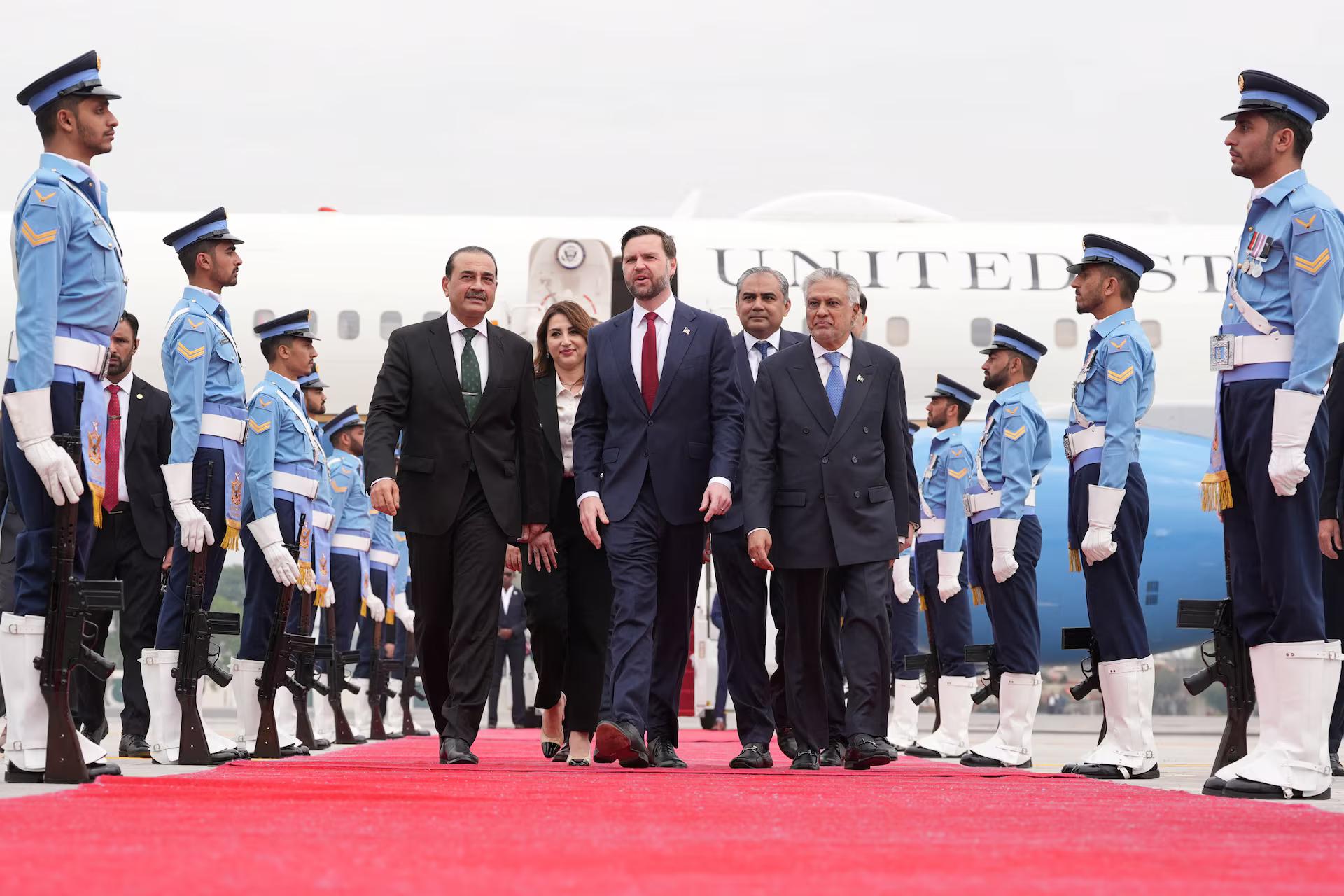
Iranian Officials Continue Talks in Qatar as Trump Demands Abraham Accords and Rejects Uranium Deal
13 sources compared
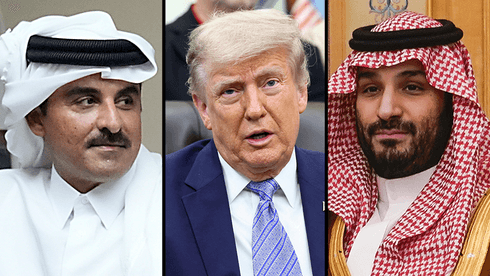
Donald Trump Demands Saudi Arabia And Pakistan Join Abraham Accords In Iran Deal
20 sources compared

Trump Halts Planned Attack on Iran After Qatar, Saudi, UAE Request Delay
13 sources compared