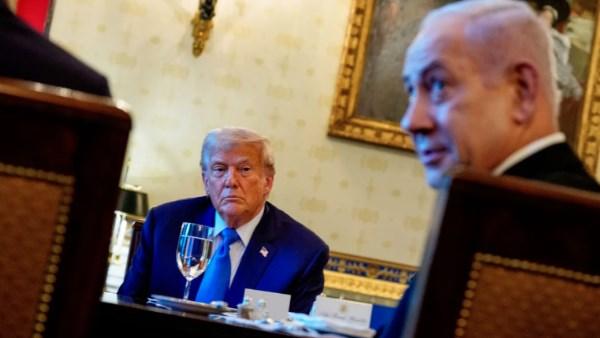
Trump Says Israel Is Prohibited From Bombing Lebanon, Netanyahu Advisers Shocked
Key Takeaways
- Trump says Israel is prohibited from bombing Lebanon.
- A 10-day ceasefire between Israel and Hezbollah in Lebanon was announced.
- Netanyahu and aides were shocked by Trump's post.
Ceasefire, then “prohibited”
A 10-day ceasefire between Israel and Lebanon took effect after President Donald Trump announced on Thursday that the two sides had agreed to a truce, but the agreement immediately collided with Trump’s own public language about Israeli military action.
“Reactions in Israel were overwhelmingly negative on Thursday evening, after U”
Trump wrote on Truth Social on Friday that “Israel will not be bombing Lebanon any longer,” adding, “They are PROHIBITED from doing so by the U.S.A. Enough is enough!!!”.
Axios reported that Israeli Prime Minister Benjamin Netanyahu and his advisers were “shocked” by the post because it contradicted the ceasefire text the State Department published on Thursday.
The Axios account said Israel reserves the right to take military action “in self-defense, at any time, against planned, imminent, or ongoing attacks,” while committing not to take offensive military operations against Lebanese targets.
A U.S. official later clarified to Axios that “The President's ceasefire agreement between Lebanon and Israel clearly states that Israel will not carry out any offensive military operations against Lebanese targets but preserves its right to self-defense against planned, imminent or ongoing attacks.”
The Times of Israel described Netanyahu’s response as a defense of the ceasefire as “an opportunity to make a historic peace agreement with Lebanon,” even as Trump’s phrasing reinforced the impression of a truce imposed on Israel.
The Times of Israel also quoted Netanyahu saying, “One hand holds a weapon; the other is extended for peace,” framing Israel’s acceptance of the ceasefire as an opening for diplomacy alongside continued pressure.
Violations and immediate strikes
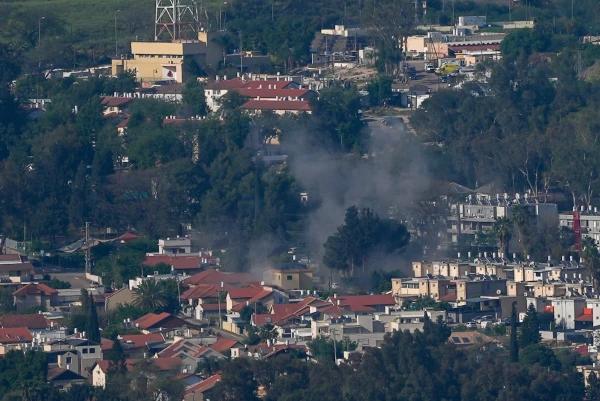
Even as the ceasefire was described as fragile and politically sensitive, multiple outlets reported Israeli strikes shortly after Trump’s “prohibited” post and after the truce began.
The New Republic said Israel had “technically already violated the 10-day ceasefire agreement in Lebanon” on Friday minutes after Trump declared they were “PROHIBITED” from bombing, describing a drone killing “someone” and citing the deal’s self-defense language.

Common Dreams reported that “Less than an hour after US President Donald Trump announced that Israel was 'PROHIBITED' from attacking Lebanon under a 10-day ceasefire,” an Israeli drone strike reportedly killed at least one person in southern Lebanon, and it cited Lebanese media and The Times of Israel about a motorcycle targeted between Khounine and Beit Yahoun.
The Times of Israel itself said Lebanese media reported “one killed in an Israeli drone strike targeting a motorcycle between the southern towns of Kounine and Beit Yahoun,” while adding that there was “no immediate comment from the IDF on the incident.”
Common Dreams also described Lebanon’s National News Agency reporting that hours after the ceasefire went into effect, Israel struck an ambulance in the town of Khounine, near the Israeli border, resulting in “multiple casualties among the medical workers.”
Axios reported that on Friday evening, shortly before Trump’s Axios interview, “an Israeli drone conducted a strike in southern Lebanon,” and an Israeli source later claimed Hezbollah violated the ceasefire and attacked Israeli forces within the security zone.
In that Axios account, the Israeli source said, “Our forces acted in self-defense to remove the threat in accordance with the ceasefire agreement reached with the United States and Lebanon.”
Netanyahu: buffer, rockets, drones
While Trump’s post emphasized that Israel was “PROHIBITED” from bombing Lebanon, Israeli leaders publicly insisted the ceasefire did not end their campaign against Hezbollah.
“Skip to main content 3 hours ago - World Trump shocked Netanyahu with post declaring Lebanon strikes "prohibited" Barak Ravid email (opens in new window) sms (opens in new window) facebook (opens in new window) twitter (opens in new window) linkedin (opens in new window) bluesky (opens in new window) Add Axios as your preferred source to see more of our stories on Google”
The Times of Israel reported that Netanyahu said the “road to peace” was long but that “we have begun,” defending the ceasefire as a strategic opening for diplomacy and continued military pressure.
Netanyahu told viewers that since October 7, 2023, Israel had removed the threat of infiltration and anti-tank fire from Hezbollah and eliminated roughly 90% of its rocket arsenal, while warning, “I will say honestly, we have not yet finished the job.”
In the same account, Netanyahu said dismantling Hezbollah would require “sustained effort, patience, and careful navigation in the diplomatic arena.”
Anadolu Ajansı reported Netanyahu saying Israel’s “mission” against Hezbollah was “not over despite a ceasefire with Lebanon,” and it quoted him: “There are things we plan to do regarding the remaining rocket threat and the drone threat, which I will not detail.”
Anadolu also said Netanyahu described “tremendous accomplishments,” including establishing “a broad security buffer zone along the entire northern border,” stretching “from Lebanon across the Golan Heights to Mount Hermon (Jabal al-Sheikh) and the Yarmouk area in southern Syria.”
The Anadolu report said Netanyahu referred to the buffer as the “Yellow Line” and said Israeli forces were deployed along it to counter immediate threats.
Diplomacy, Iran, and Hormuz
The Lebanon ceasefire was also portrayed as entangled with broader U.S.-Iran diplomacy and maritime access through the Strait of Hormuz.
Common Dreams said Trump insisted that any agreement between Israel and Lebanon is separate from his ongoing two-week truce with Iran, and it reported that Iran announced on Friday that it stopped blocking travel through the Strait of Hormuz.
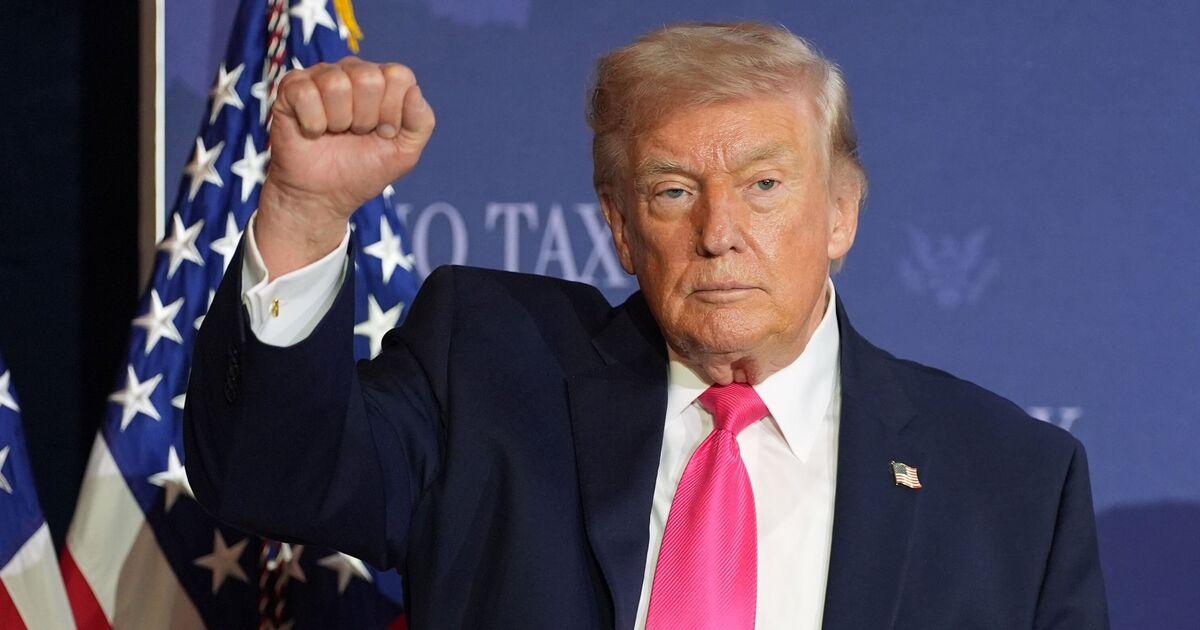
It quoted Iranian Foreign Minister Abbas Aragchi specifying that “the passage for all commercial vessels through the Strait of Hormuz is declared completely open for the remaining period of the ceasefire” between Israel and Lebanon.
Axios, meanwhile, reported that Trump was working in parallel on a peace deal with Iran, and it said the U.S. had been pressing for the 10-day Lebanon truce “for several days” while working on that parallel track.
Fox40 reported that Trump and Iran’s foreign minister said Friday that the Strait of Hormuz is fully open to commercial vessels, with Abbas Araghchi saying the waterway “is declared completely open,” and Trump saying the strait is “ready for full passage.”
Fox40 also said Trump added that the U.S. naval blockade on Iranian ships and ports “will remain in full force” until Iran reaches a deal with Washington to end the war.
The same Fox40 report described the fragile calm prompting thousands of displaced Lebanese families to head home, while stating that the war displaced “over a million people in the tiny country.”
What happens next, and who decides
As the ceasefire began, multiple outlets described competing signals about who controls the next phase of the conflict and what happens to civilians and displaced families.
“President Donald Trump has seemingly turned on Prime Minister Benjamin Netanyahu after announcing that Israel would not be allowed to strike at Lebanon”
The Times of Israel reported that Hezbollah signaled it remained on high alert after the ceasefire began, saying its fighters were keeping their “finger on the trigger” in the event of Israeli violations, citing fears of the “enemy’s treachery.”

It also said Trump cautioned Hezbollah against undermining the truce, writing, “I hope Hezbollah acts nicely and well during this important period of time… No more killing. Must finally have PEACE!”
The Times of Israel further described diplomatic efforts, saying an Israeli official told the outlet discussions had begun regarding a potential visit by Netanyahu to the White House for talks with Trump and Lebanese President Joseph Aoun, which Trump described as “the first meaningful talks between Israel and Lebanon since 1983.”
It added that the visit “won’t happen before Israel’s Independence Day,” and that Trump later said the meeting would likely be held in the next week or two.
Common Dreams quoted Lebanese President Joseph Aoun urging that the opportunity “must not be squandered because it may not come again,” and it said Aoun endorsed continued direct negotiations with Israel, calling them “crucial” and describing the ceasefire as a “gateway to proceeding with negotiations.”
Yet the Common Dreams report also included a warning from Israel’s Defense Minister Israel Katz that the ceasefire was only a “temporary freeze,” emphasizing that forces would remain deployed inside Lebanon until Israel’s remaining missions are completed, by force if necessary.
More on Lebanon

Naim Qassem Says Hezbollah Truce With Israel Must Be Two-Sided, Vows Response To Attacks
16 sources compared

Macron Blames Hezbollah for Killing French UNIFIL Peacekeeper in Southern Lebanon
16 sources compared
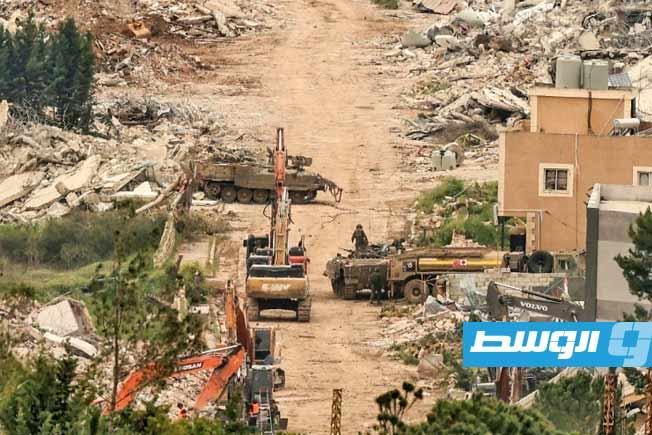
Israel Attacks Lebanon After Ceasefire, Leaving Nabatieh Residents Returning to Destroyed Homes
35 sources compared

Lebanese Return to South Lebanon After Israel-Lebanon 10-Day Ceasefire Takes Hold
27 sources compared