Trump Says Midnight Hammer Obliterated Iran’s Nuclear Dust Sites, Recovery Will Be Long And Difficult
Key Takeaways
- Trump says retrieving Iran’s enriched uranium stockpile will be long and difficult.
- He asserts Operation Midnight Hammer obliterated Iran’s Nuclear Dust sites.
- Remarks cite 2025 US strikes on Tehran’s nuclear facilities and a Truth Social post.
Ceasefire clock and uranium
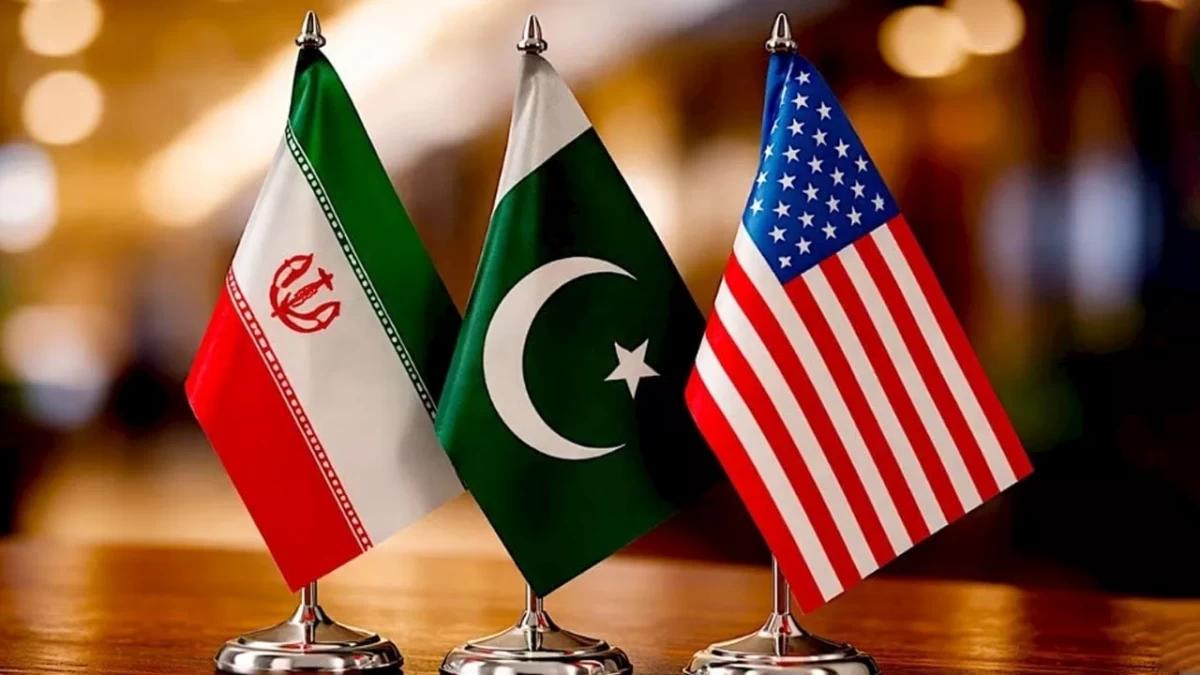
With a little more than 24 hours remaining before a ceasefire agreed between Washington and Tehran ends, the United States and Iran dug in at maximum pressure, as the fate of peace talks in Pakistan remained unclear after Iran’s delegation did not confirm its attendance.
“War in the Middle East: Iran and the United States dig in at maximum pressure ahead of the end of the truce”
El Mundo reported that the Iranian Foreign Ministry warned on Tuesday of “grave consequences” after the American military attacked an Iranian vessel in the Gulf of Oman and detained its crew, calling it “maritime piracy and a terrorist act.”
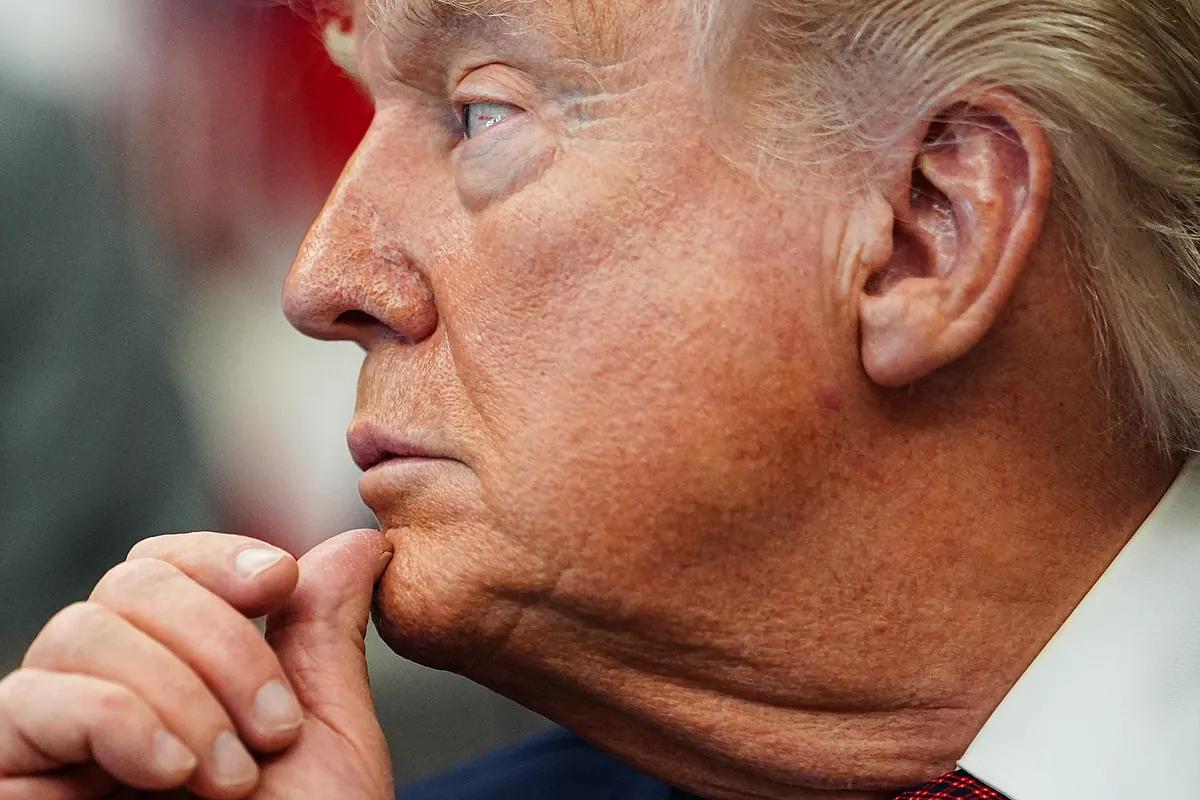
In the same reporting stream, El Mundo said Axios reported that Vice President JD Vance would travel to Islamabad at the head of the U.S. delegation to lead the negotiations.
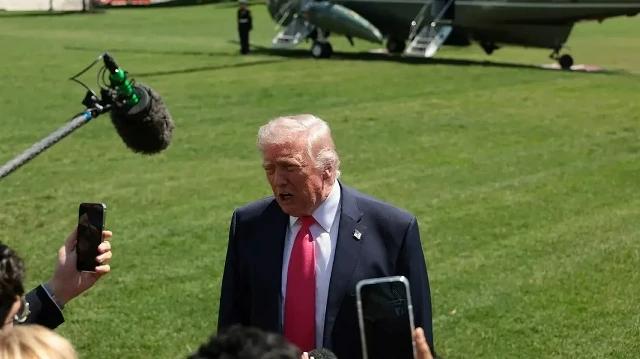
Trump, meanwhile, used Truth Social to claim that the “Midnight Hammer Operation (carried out in June 2025) was a total annihilation of the nuclear dust deposits in Iran,” adding that “its recovery will be a long and difficult process.”
Jordan News and Türkiye Today both carried Trump’s framing that “Operation Midnight Hammer was a complete and total obliteration of the Nuclear Dust sites in Iran,” and that “Therefore, digging it out will be a long and difficult process.”
The Straits Times similarly reported Trump wrote on Truth Social that “Operation Midnight Hammer was a complete and total obliteration of the Nuclear Dust sites in Iran,” and added “Therefore, digging it out will be a long and difficult process.”
Maritime attack and response
The immediate flashpoint in the run-up to the ceasefire’s end was an American attack on an Iranian vessel in the Gulf of Oman, followed by detention of the crew, which Iran framed as a violation of the ceasefire.
El Mundo said the Iranian Foreign Ministry warned on Tuesday that the act “constitutes an act of maritime piracy and a terrorist act that goes against the fundamental principles and norms of the United Nations Charter.”

El Mundo added that the ministry described the incident as “another example of a clear violation of the ceasefire agreement and is considered an act of aggression,” and said Iran had informed the United Nations of what happened.
Forbes likewise described the diplomatic atmosphere as the ceasefire set to expire on Wednesday, while noting that Esmail Baghaei, the spokesperson for Iran’s Foreign Ministry, said Monday Iran had made “no decision” on attending.
The same El Mundo report said it was still unclear whether peace talks in Pakistan would resume after Iran’s delegation did not confirm its attendance in protest of the interception by the United States of one of its vessels in the Gulf of Oman.
Türkiye Today also tied Trump’s remarks to the broader diplomatic context, stating that Tehran had yet to officially confirm its participation and demanded the lifting of the U.S. blockade on the Strait of Hormuz.
Iran rejects threats at talks
Iran’s political leadership rejected the premise of negotiating under pressure, and its stance was tied directly to the ceasefire environment and the U.S. maritime actions.
El Mundo reported that Iran says it will not negotiate “under threats” and warns of “new cards on the battlefield,” citing the Speaker of the Iranian Parliament, Mohammad Baqer Qalibaf.
El Mundo said Qalibaf stated that Iran will not agree to negotiate with the United States under threats, warning that Tehran has been preparing new options on the battlefield in the last weeks.
In a message posted on his X account, Qalibaf wrote: “Trump, by imposing a blockade and violating the ceasefire, seeks to turn the negotiating table into a surrender table or justify renewed belligerence.”
El Mundo added that Qalibaf wrote, “We do not accept negotiations under the shadow of the threat, and during the last two weeks we have been preparing to reveal new cards on the battlefield,” linking the language to the immediate pre-talk period.
Forbes carried similar language, stating that Mohammad Ghalibaf wrote on X: “By enforcing a siege and breaking the truce, Trump delusionally aims to either turn talks into capitulation or excuse fresh hostilities,” and that the Iranian leader warned: “We will not hold negotiations under threat, and in the last two weeks, we have prepared to play new cards on the battlefield.”
Different outlets, same pressure
Across outlets, the core narrative of pressure before talks in Pakistan was consistent, but the emphasis and details varied, especially around Trump’s language and the energy implications.
El Mundo framed the situation as “War in the Middle East: Iran and the United States dig in at maximum pressure ahead of the end of the truce,” and it paired that with oil-market figures, saying oil falls to $94 and that Brent was “down about 1.1%” around “7:50 a.m. this Tuesday,” while WTI fell “almost 1.4% to $86.2 per barrel.”
Forbes, by contrast, focused on the uncertainty of the second round of peace talks and the ceasefire’s expiry on Wednesday, stating it was “highly unlikely” Trump would extend the ceasefire if a peace deal was not reached, and it described Trump’s Truth Social post as claiming “complete and total obliteration” of Iran’s “Nuclear Dust sites.”
The Times of India and Türkiye Today both quoted Trump’s “long and difficult” line and his “complete and total obliteration” claim, but The Times of India also included Trump’s criticism of “Fake News CNN, and other corrupt Media Networks and Platforms,” and it quoted him writing “LOSERS!!!”
The Straits Times added contextual detail about the U.S.-Israel joint strikes on Feb 28, quoting Israel’s description of the “existential threat,” and it referenced the “12-day war” launched by Israel that included U.S. bombings of three nuclear facilities.
Even within the uranium theme, the outlets differed slightly in phrasing, with El Mundo quoting “total annihilation of the nuclear dust deposits in Iran,” while Jordan News and Türkiye Today used “complete and total obliteration of the Nuclear Dust sites in Iran.”
Energy stakes and next steps
The stakes described by the sources extended beyond diplomacy into energy damage and economic risk, with the International Energy Agency warning that even a reopened Strait of Hormuz would not quickly restore normal conditions.
“US President Donald Trump said late Monday that recovering uranium from Iran would be a "long and difficult process" following last year’s US strikes on Tehran’s nuclear facilities”
El Mundo reported that the IEA executive director Fatih Birol warned this Tuesday that even if the Hormuz Strait were reopened immediately, it would take “much time” to restore a normal situation, and it quoted Birol saying “Even if the Strait of Hormuz reopened tomorrow, it will take a long time before returning to normal, because energy, oil and other installations in the Persian Gulf are heavily damaged.”

El Mundo also quoted Birol emphasizing that this was “the greatest crisis in history” in energy terms because it affects “not only oil supply but also gas, fertilizers, or petrochemical products,” and it said he warned it would “slow economic growth and the longer it lasts the harder it will be.”
The IEA framing in El Mundo added that it would affect developing countries particularly, which worries Birol more than Europeans because they could face “a debt spiral” weighing on future generations.
In the political track, El Mundo said Iran warned of “grave consequences” after the U.S. attack and detained the crew, and it said Iran informed the United Nations of what happened, while also noting that the ceasefire was set to end and peace talks in Pakistan were uncertain.
Forbes added that the status of the second round of peace talks remained unclear as the ceasefire between the U.S. and Iran is set to expire on Wednesday, and it said Trump told Bloomberg on Monday morning that it was “highly unlikely” he would extend the ceasefire if a peace deal was not reached.
More on Iran
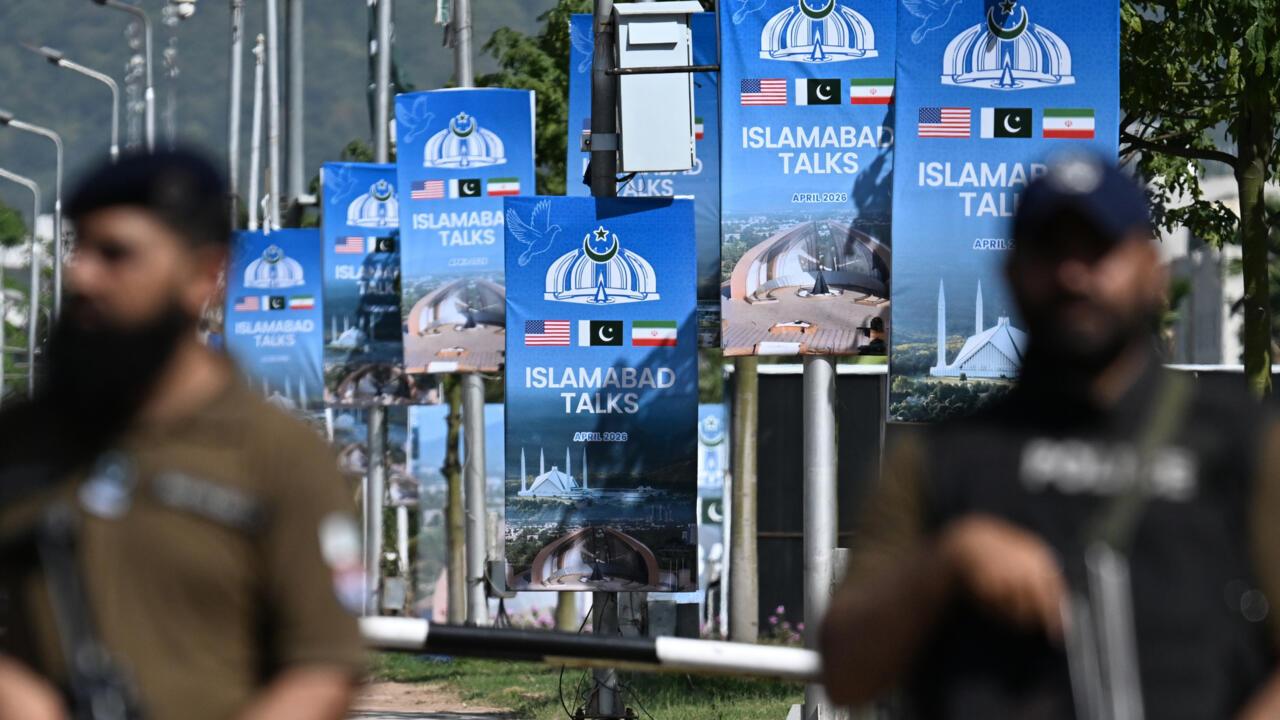
JD Vance Leads U.S. Delegation to Islamabad as U.S.-Iran Ceasefire Expires
13 sources compared
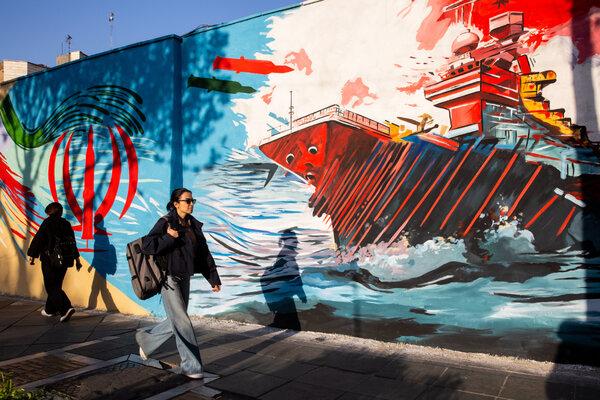
Trump Says He Faces No Pressure as U.S. Seizes Iranian Vessel Before Ceasefire Expiry Wednesday
26 sources compared
Iran Warns It Will Respond Decisively If U.S. Violates Ceasefire Before Talks in Pakistan
18 sources compared

Trump Threatens Iran With Bombs as U.S.-Iran Ceasefire Expires Wednesday
29 sources compared