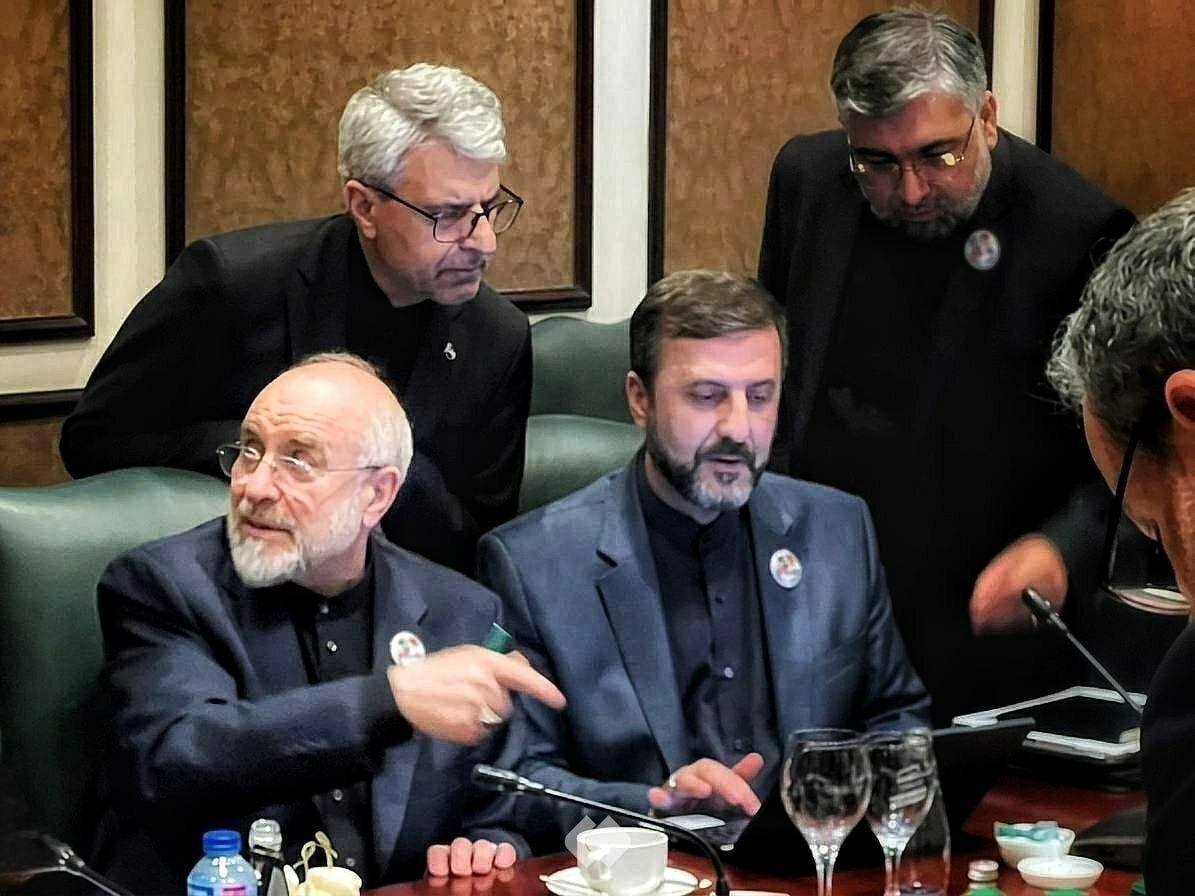
Trump Says Strait Of Hormuz Will Be Completely Open As US-Iran Memorandum Is Signed
Key Takeaways
- US-Iran memorandum of understanding signed to end the war.
- Strait of Hormuz to be fully open by Friday.
- MoU seen as first step toward broader talks, including sanctions relief.
MOU, Hormuz, and deadlines
President Donald Trump declared that the strait of Hormuz will be “completely open” from Friday, as western leaders at the G7 summit in Évian-les-Bains worked to prevent the US deal with Iran from unraveling.
“Senior administration officials said Monday that the Strait of Hormuz should be fully open by Friday”
Trump said “The deal’s all signed. And the strait is already partially opened,” while ABC News reported senior administration officials expected traffic to rise quickly, with “maybe 40 to 50 pretty quickly” after the strait reopened.

The Hill said both Trump and Vice President Vance electronically signed a memorandum of understanding with Iran on Sunday, with Mohammad Bagher Qalibaf signing for the Iranian side and “real technical discussions” due later this week.
The Hill also reported the physical document is set to be signed this Friday in Geneva, Switzerland, with Vance and Jared Kushner present, while the US planned to maintain its current force posture during a 60-day negotiation period.
France 24 reported that Iran’s deputy foreign minister Kazem Gharibabadi said the memorandum would then be published, and that both sides said the Strait of Hormuz would start to reopen and the US blockade on Iranian ports would lift as soon as the memorandum is signed.
Iranian and US positions
In Tehran, President Masoud Pezeshkian told senior government officials and provincial governors that the MoU achievement was the result of “exemplary unity, empathy, and coordination between the three branches of government and the armed forces of the Islamic Republic of Iran.”
Pezeshkian added that “If the other party complies with its commitments, the [MoU] can lay ground for resolving many of the region's problems,” while also saying the negotiating team would not deviate from “the frameworks and policies determined by the Leader on the Islamic Revolutions.”

On the US side, The Hill quoted Vance saying, “Iran doesn’t get a dime of money unless they perform their obligations,” describing the money as “fundamentally sanctions relief.”
The Hill also reported that so far, “Iran has not received any frozen assets from the U.S. or other countries,” and that officials said the US was prepared to release frozen funds and relieve sanctions through “small gestures” tied to Iranian commitments.
Mehr News Agency, as relayed by Tehran Times, said the US naval blockade would be lifted immediately and permanently termination of military operations on all fronts would be included, while the Al Jazeera explainer said Iran’s Supreme National Security Council stated the naval blockade would end “immediately and completely.”
What’s at stake next
The agreement’s next phase centers on nuclear and sanctions issues, with CNBC reporting the deal would extend the ceasefire for 60 days to create a framework for future negotiations about Iran’s nuclear program and sanctions.
CNBC said Trump reiterated Sunday that “Iran will never have a nuclear weapon,” while also noting that Israel is not party to the agreement and that Israel’s Defence Minister Israel Katz said the military would remain in “security zones in Lebanon, Syria and the Gaza Strip.”
Al Jazeera reported that the Supreme National Security Council said the war and military operations on all fronts, including Lebanon, would end immediately and permanently, but it also highlighted “significant questions” about whether Israel will abide and what will be decided about Iran’s nuclear programme and sanctions relief.
The Guardian said Trump rejected a proposed UK-France joint naval mission in the strait, and it reported that Israeli breaches of the ceasefire in Lebanon and Iran’s claims about its right to charge fees in the waterway revealed “loose ends” in the agreement.
Fortune reported that Iran circulated competing versions of the proposed interim agreement, with a discrepancy over how much financial relief Iran would get immediately or in the future, and it cited a draft seen by Bloomberg that included a program for reconstruction and development with “minimum funding of $300 billion” if a final deal is reached.
More on Iran

Donald Trump Says US-Iran Deal Reopens Strait of Hormuz, Lifts Naval Blockade
11 sources compared

Donald Trump Says U.S. and Iran Reached Deal To Reopen Strait of Hormuz
21 sources compared
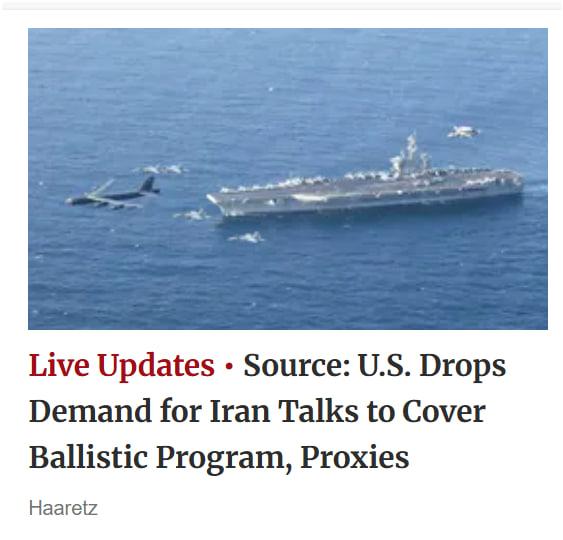
US-Iran Peace Deal Reopens Strait of Hormuz, Ends Naval Blockade, Defers Nuclear Talks
14 sources compared
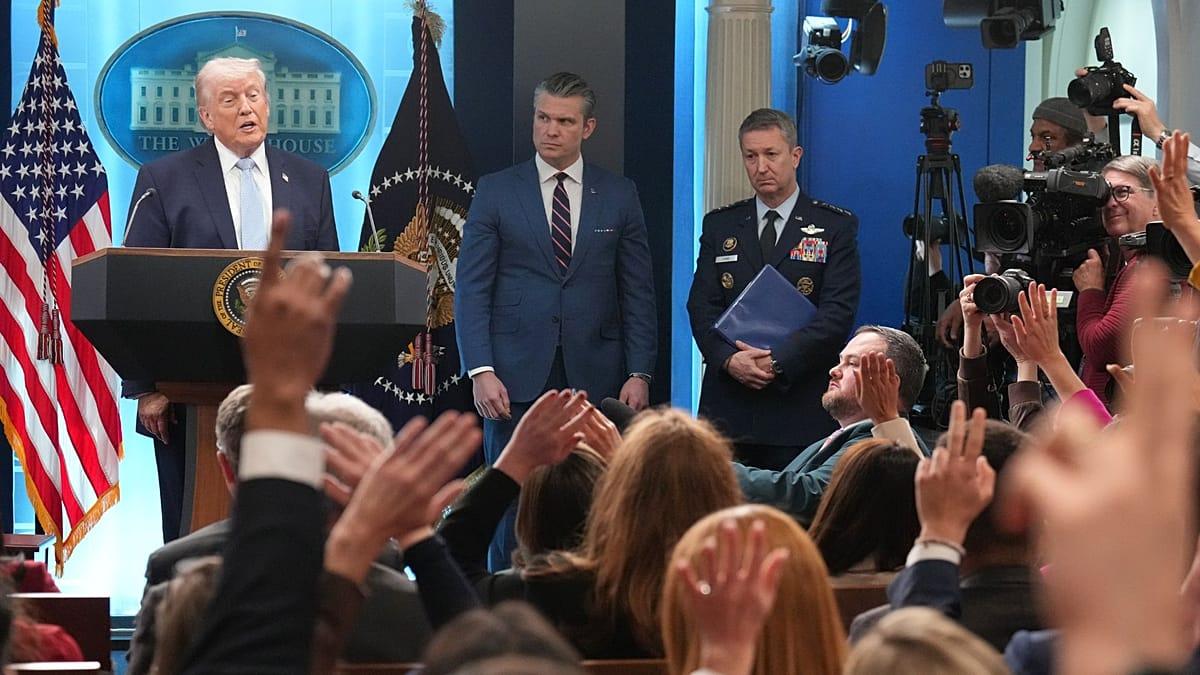
Trump And Iran Sign Memorandum, Reopen Strait Of Hormuz, Start 60 Days Of Nuclear Talks
14 sources compared