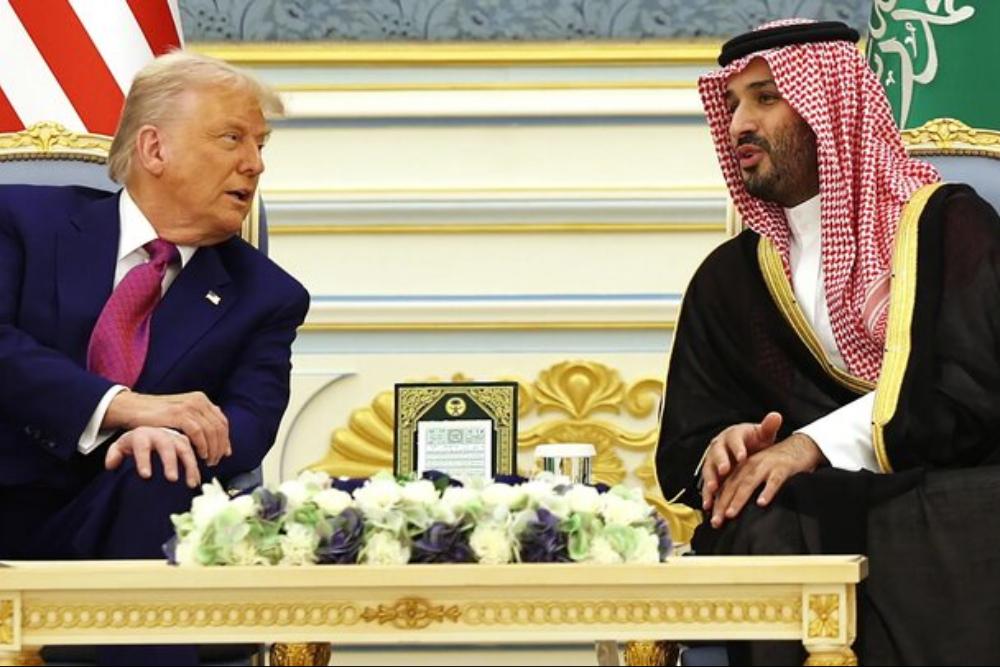
Trump Says U.S. And Iran Are Moving Toward Deal To Reopen Strait Of Hormuz
Key Takeaways
- Trump says the deal to end the Iran war is largely negotiated.
- Trump says not to rush talks; finalization is not imminent.
- Trump seeks broader Abraham Accords participation from Arab and Muslim countries.
Deal talks, Strait at stake
President Donald Trump said the U.S. and Iran have been moving toward an agreement to end the nearly three-month conflict and reopen the Strait of Hormuz, while Iran’s Foreign Ministry spokesperson Esmail Baghaei told a Monday press conference that the U.S. and Iran have "reached a conclusion on a large part of the issues under discussion" but that "no one" can say finalization is "imminent."
“Iranian Foreign Ministry spokesperson Esmail Baghaei told a Monday press conference that the U”
ABC News reported Baghaei said a ceasefire of the war on all fronts, including Lebanon, is part of the draft agreement, while he said details about how the Strait of Hormuz will be managed are still undecided and that no Iranian delegation visit to Pakistan is planned at the moment.

The Hill said Trump slammed critics of the reported deal and wrote on Truth Social that he was making a deal with Iran "things that haven’t even been negotiated yet," as CBS News reported the U.S. would lift its naval blockade of Iranian ports in exchange for Iran disposing of its highly enriched uranium.
PBS, citing the Associated Press, said the proposal would end the war and Iran would reopen the strait and give up its stockpile of highly enriched uranium, with details and timelines to be worked out during a later 60-day window.
CNBC added that Trump said the U.S. naval blockade of Iranian ports would remain in effect until "an agreement is reached, certified, and signed," and said the negotiations are proceeding "in an orderly and constructive manner."
Republican splits and rebuttals
As Trump pushed for a deal, PBS reported heavy criticism from Republicans who favor a harder line, including Sen. Ted Cruz, R-Texas, who wrote that if the result is "an Iranian regime" receiving billions of dollars and gaining "effective control over the Strait of Hormuz," then the outcome would be "a disastrous mistake."
PBS also quoted Sen. Roger Wicker, R-Miss., questioning a proposed 60-day ceasefire and saying it would be a "disaster," adding "Everything accomplished by Operation Epic Fury would be for naught!"

In response, Trump dismissed objections to a deal he said was not "even fully negotiated yet" and told supporters on social media, "So don't listen to the losers, who are critical about something they know nothing about," while the Associated Press reported the war began when the United States and Israel attacked Iran on Feb. 28.
The Hill reported Trump also attacked critics on Truth Social, writing, “I laugh at all of the Dumocrats, RINOS, and Fools who know nothing about the potential deal I am making with Iran,” and he added that the deal would be "the exact opposite of the JCPOA disaster" negotiated by the Obama administration.
Secretary of State Marco Rubio pushed back on suggestions the reported deal gives Iran an upper hand, saying the idea that Trump would agree to a deal that "ultimately winds up putting Iran in a stronger position" is "absurd," as reported by The Hill.
Normalisation push and wider fallout
Al Jazeera reported that after Trump floated the prospect of more Arab countries establishing formal relations with Israel as part of the agreement, pro-Israel advocates softened their tone, with Sen. Lindsey Graham praising Trump’s diplomatic manoeuvre as "simply brilliant."
Al Jazeera also quoted Trump saying it “should be mandatory” for countries including Saudi Arabia, Qatar and Pakistan to set up diplomatic relations with Israel as part of a U.S. agreement with Iran, and it reported Graham then wrote that "With Saudi Arabia and others like Pakistan making peace with Israel" the region would see "a level of stability never dreamed of before President Trump."
The Hill said Trump urged his negotiating team not to rush and told critics the U.S. naval blockade would remain in effect until an agreement is reached, certified, and signed, while also describing the deal as "the exact opposite" of the JCPOA.
BBC reported that Spain’s Prime Minister Pedro Sánchez reaffirmed opposition to war and what he called the "collapse of international law," saying the government’s position can be summarized in one sentence: 'No to war,' after Trump threatened to impose a full trade embargo on Spain over refusal to allow the U.S. to use the Morón de la Frontera Air Base and the Rota Naval Base to attack Iran.
In the same BBC report, Sánchez said, "The issue isn't whether we stand with the ayatollahs [the Iranian regime] or not," and he stressed, "You cannot respond to an illegal act with another illegal act," as the dispute over bases and trade fed into the broader stakes around the Iran negotiations.
More on Iran
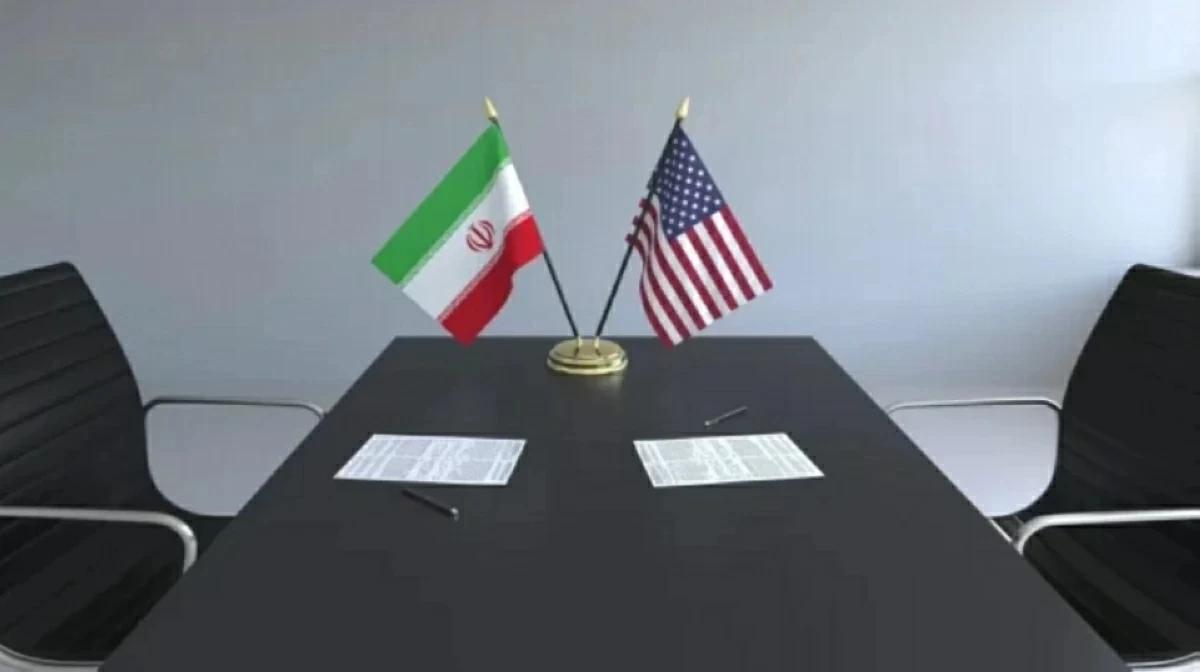
U.S. Conducts Self-Defense Strikes in Southern Iran as Iran-US Talks Continue in Qatar
12 sources compared
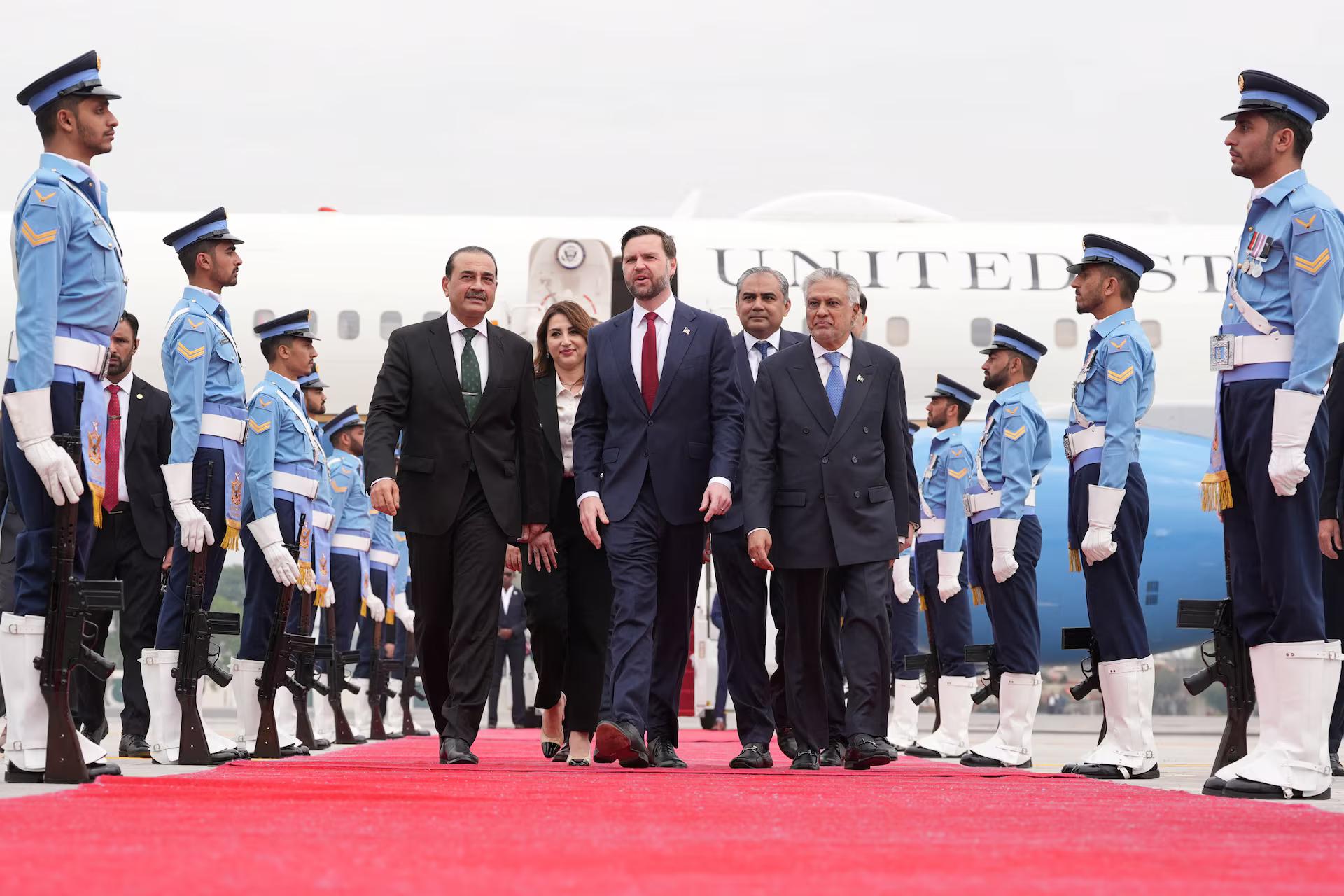
Iranian Officials Continue Talks in Qatar as Trump Demands Abraham Accords and Rejects Uranium Deal
13 sources compared
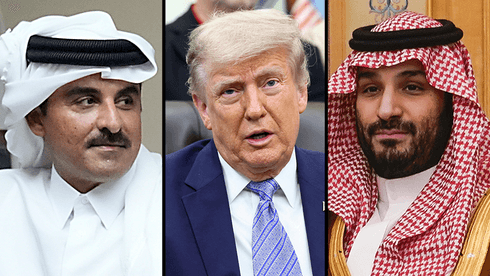
Donald Trump Demands Saudi Arabia And Pakistan Join Abraham Accords In Iran Deal
20 sources compared

Trump Halts Planned Attack on Iran After Qatar, Saudi, UAE Request Delay
13 sources compared