
Trump Says U.S. Strikes After Strait Of Hormuz Attacks Were A “Love Tap”
Key Takeaways
- Strait of Hormuz incidents escalate US-Iran clashes, heightening regional tensions.
- Trump is described as seeking an off-ramp to end the Iran war.
- Analysts note ongoing escalation and mixed signals about ceasefire and withdrawal prospects.
Cease-fire, then strikes
The Iran conflict entered a confusing phase in which U.S. forces struck Iranian targets after two U.S. destroyers were attacked in the Strait of Hormuz, while President Trump described the response as a “love tap” and said the exchange of fire did not break the ceasefire.
In the same PBS discussion, Jeffrey Goldberg said, “The Iran war is in a kind of state of suspended animation,” as the panel debated whether the Iranian regime had won by surviving and maintaining control over the strait.

CNN framed Trump’s predicament as being trapped by two “traps of his own making,” with Iran’s leverage over the Strait of Hormuz and refusal to fold preventing him from ending the war at an acceptable military price.
CNN also reported that the war was meant to last no more than a month and a half but was now in its 10th week, with gas prices averaging over $4.50 a gallon and an approval rating in the 30s.
The Atlantic described Trump as “bored” with the war and said Washington was still waiting for Iran to respond to a one-page memorandum of understanding that it characterized as an extension of the cease-fire rather than a treaty to end the conflict.
Off-ramps and domestic pressure
In the PBS panel, Amna Nawaz argued that “Certainly, you can’t say the United States has won the war,” while she said the Iranian regime’s main leverage point was “their main leverage point right now” over the Strait of Hormuz.
Jeffrey Goldberg pressed the question of staying power, and the discussion linked the war’s continuation to domestic political costs, including the need to lower oil prices and gas prices ahead of midterm elections.
CNN said the latest hope was a one-page memo being negotiated with the two countries and third-party mediator Pakistan, and that the document would end the war and start a 30-day clock to resolve sticking points.
CNN also described Trump as stuck because the conflict’s political impact at home “further narrows his options,” citing public opposition to the war rising and the lack of political space to keep waging it.
The Atlantic added that Trump’s party was “warily watching rising gas prices and falling poll numbers,” while it said the president’s administration had abruptly abandoned an effort to escort ships through the strait because of fear it could provoke violent, escalating confrontations.
What’s at stake next
The Atlantic said U.S. officials believed a naval blockade of Iran’s ports, installed last month, was working and squeezing the country’s economy, while it reported a U.S. intelligence assessment suggesting Iran could withstand pressure from the blockade for “three or four more months.”
CNN warned that even if a one-page memo is agreed upon, it seems insufficient to solve a near half-century of U.S. issues with Tehran, including “intricate nuclear negotiations” and Iran’s missile and proxy terror programs.
In the PBS discussion, Vivian Salama said politically Trump was suffering because “the longer this war goes on, the more that he and, ostensibly, the GOP suffers,” tying the stakes to midterm elections and the ability to moderate the impact of the war.
The Atlantic described the broader strategic bind as a question of timing and pain, asking “Which side can withstand the most economic hardship?” while noting that if Iran continues to keep the strait closed, prices would continue to rise in the West, including in the United States during a midterm-election year.
CNN also reported that Iran is expected to hand its responses to the U.S. plan to Pakistani mediators on Thursday, making the next step in the process a test of whether the standoff can move from cease-fire extensions toward an end date.
More on Iran

Marco Rubio Says U.S. Awaits Iran Response On Interim Ceasefire As Strait of Hormuz Sees Calm
10 sources compared
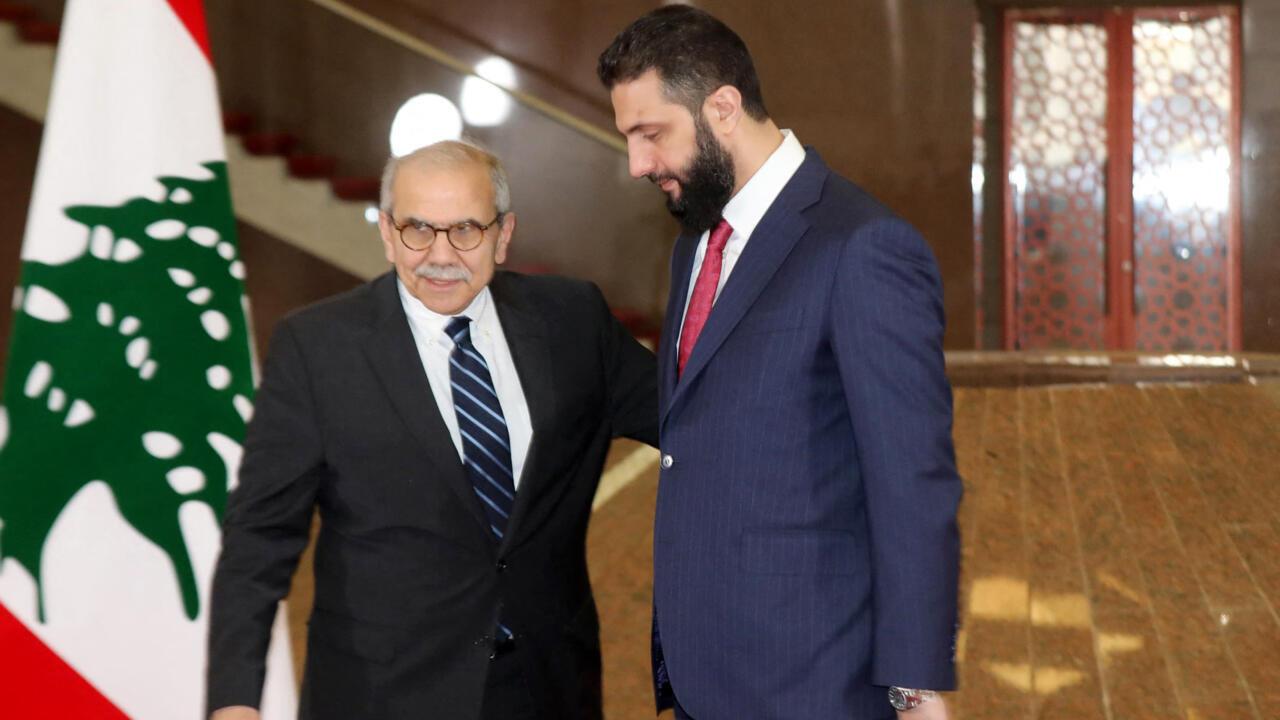
Nawaf Salam Meets Ahmed al-Sharaa in Damascus, Says Significant Progress on Security and Transport
24 sources compared

US Intelligence Says Mojtaba Khamenei Shapes Iran’s War Strategy and Negotiations With Washington
16 sources compared
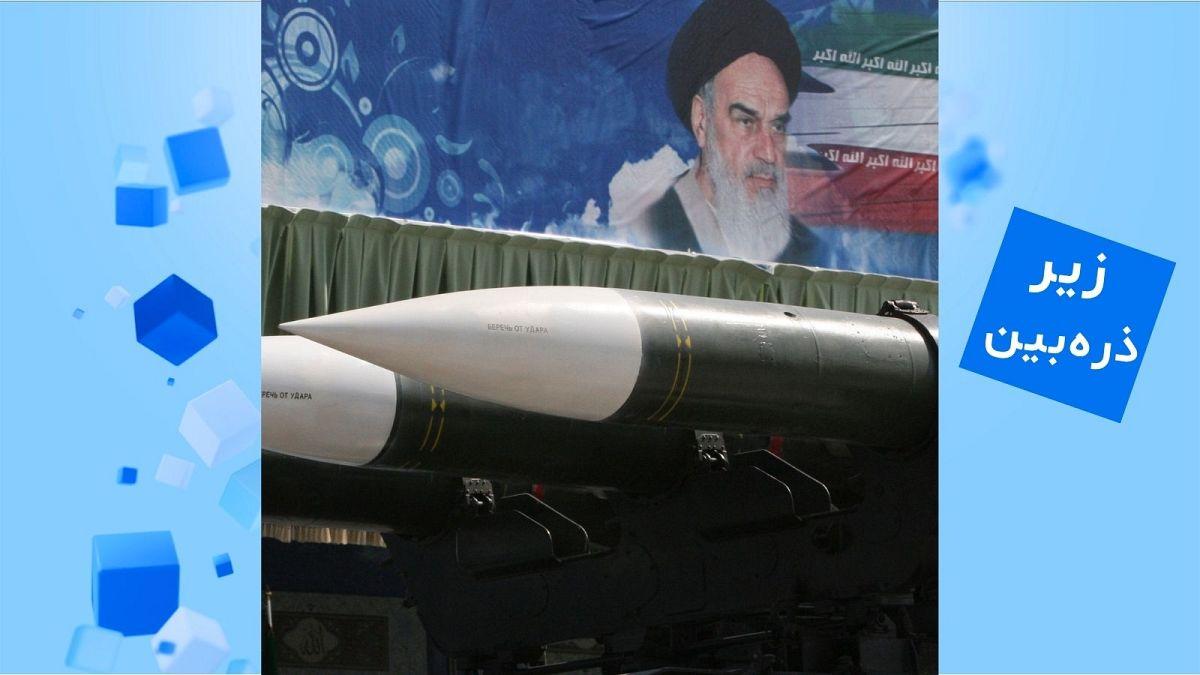
Joe Kent Says U.S. Intelligence Agreed Iran Was Not Developing Nuclear Weapons
12 sources compared