Trump Says US Will Hit Iran Hard Again After Overnight Strikes
Key Takeaways
- Trump promises to hit Iran hard again today after overnight strikes.
- Iran pledges harsher, broader retaliation to any U.S. attack and readiness for all scenarios.
- Iranian President Pezeshkian says Iran will stand firm against pressure or threats.
Trump threatens, Iran replies
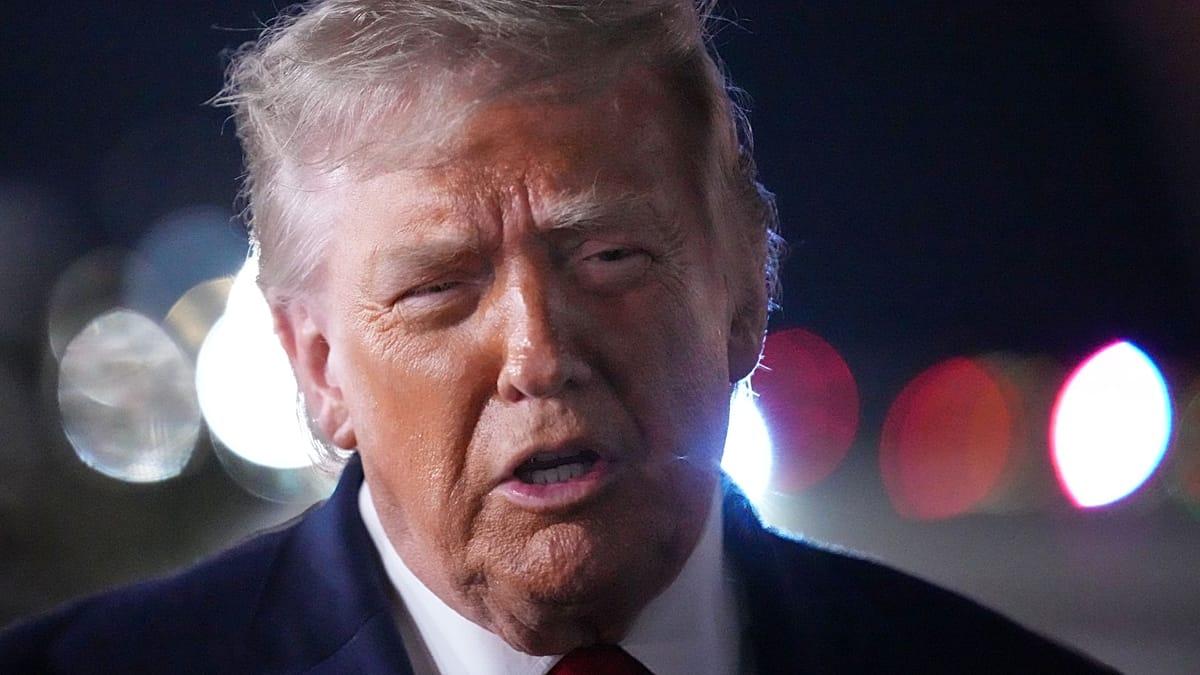
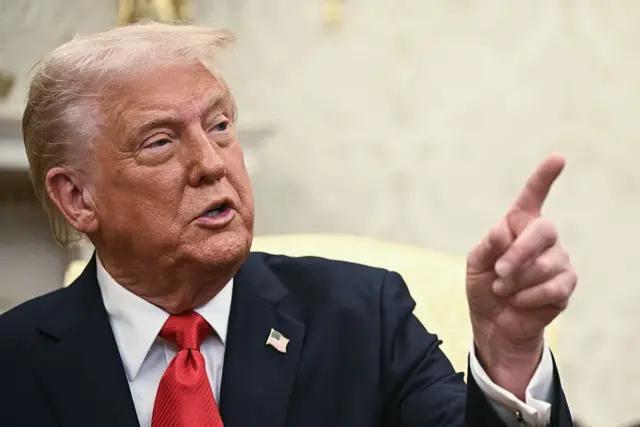
U.S. President Donald Trump said the United States would hit Iran "hard" again on Wednesday after the two sides exchanged strikes overnight, telling reporters in the Oval Office, "We hit them hard yesterday and we're going to hit them hard again today."
Iranian President Masoud Pezeshkian responded on X by saying Iran "will stand firm against any pressure or threat," framing threats to Iranian infrastructure as "not a show of strength but a sign of desperation."

The BBC reported that US Central Command (Centcom) said forces had begun launching strikes at 17:15 Eastern Time (22:15 BST) against "multiple targets" in Iran, describing them as "in response to Iran's unwarranted and continued aggression."
The Jerusalem Post added that Tehran’s parliament national security chief Ebrahim Azizi reacted to Trump’s statements on X, writing, "We are not afraid of fighting losers."
Retaliation rhetoric and timing
Iran’s foreign minister Seyed Abbas Araghchi told Trump to "Leave our region if you want to be safe" in a post on X, asserting that "Our Powerful Armed Forces will leave no attack or threat unanswered."
DW reported that U.S. defense secretary Pete Hegseth told a Pentagon press conference that "Today will again be the most intense day of our attacks inside Iran," and said the aim was to destroy Iran’s missile bases and its defense industry.
The BBC said Trump reiterated a call for Iran to "sign a deal" during his briefing on Wednesday, while US Defence Secretary Pete Hegseth told reporters later that day that bombs would be "dropping on key facilities in Iran".
PressTV reported that Iran’s military spokesperson Abolfazl Shekarchi vowed a "harsher, stronger and more crushing" response to any US threat, saying the Islamic Republic "has and will deliver a decisive and proportionate response to any threat."
Regional stakes and displacement
The BBC said the US is blockading Iranian ports after the key Strait of Hormuz shipping route was effectively closed by Iran in response to the US and Israeli attacks on Tehran in February, and it added that Iranian state media said US strikes hit two reservoirs in the area, leaving thousands of people in the southern port town of Sirik without access to drinking water for 12 hours.
DW reported that Trump said if Iran stops the flow of oil through the Strait of Hormuz, U.S. attacks will be twenty times harder, while it also said Iranian forces warned they would not allow oil exports from the Persian Gulf region.
DW also described Lebanon being drawn into the conflict, and it cited UNHCR figures saying more than 667,000 people were registered as internally displaced, a figure that rose by 100,000 in a single day.
In the same DW report, UNHCR’s representative in Lebanon, Carolina Lindholm Billing, said Lebanon was drawn into the war earlier this month after the Iran-backed Hezbollah fired rockets and drones toward Israel from Lebanon, with Tehran’s backing.
More on Iran
U.S. Military Strikes Multiple Targets in Iran After Bahrain, Kuwait, Jordan Face Iranian Fire
12 sources compared

U.S. Launches Self-Defense Strikes on Iran After Apache Helicopter Downing Near Strait of Hormuz
14 sources compared
U.S. Military Strikes Multiple Targets in Iran After Trump Warns Tehran Will Pay Price
16 sources compared
U.S. Launches Self-Defense Strikes Against Multiple Targets in Iran After Helicopter Downing
12 sources compared