Trump Signs Executive Order for Voluntary Federal Vetting of Frontier AI Models for National Security Risks
Key Takeaways
- Trump signed June 2, 2026, an executive order establishing voluntary pre-release vetting of frontier AI.
- AI companies must provide early model previews to the federal government for testing before release.
- Federal testing emphasizes national security and cybersecurity, with DoD, Treasury, and CISA involved.
Voluntary AI vetting begins
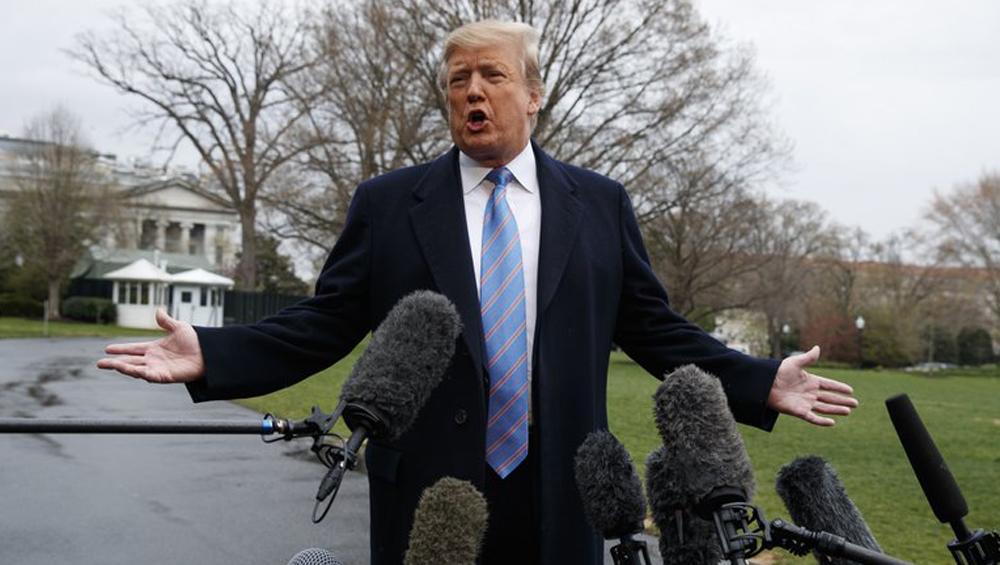
President Donald Trump signed an executive order on Tuesday establishing a framework for the federal government to vet the national security risks of the most advanced AI systems for up to a month before their public release.
The order says participation by AI developers would be voluntary and gives the government only 30 days to review an AI system, a shorter time frame than some in the industry were expecting.
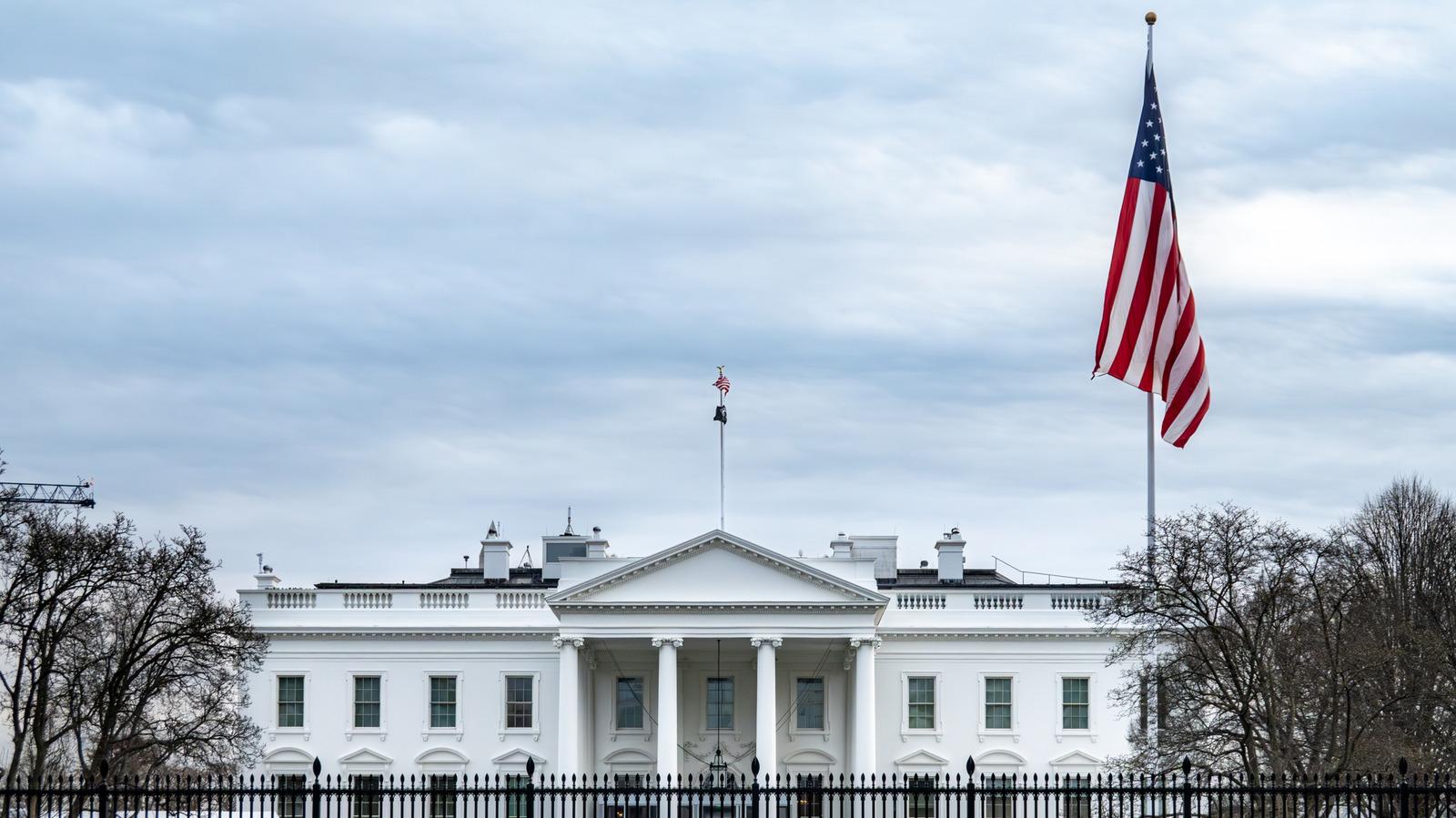
Trump said at the time he canceled an Oval Office event with tech industry executives that he did not want to do anything that would get in the way of America’s lead, telling reporters, "We'releading China, we're leading everybody, and I don't want to do anything that's going to get in the way of that lead,".
The White House said in a social media post Tuesday that the executive order "creates a process for frontier labs to voluntarily share cutting-edge cyber models" to secure critical infrastructure and strengthen the government’s own cyber defenses.
The order also tasks federal agencies, including the Department of Defense, the Department of the Treasury, and the Cybersecurity and Infrastructure Security Agency, with strengthening U.S. cyber defenses to address emerging threats posed by advanced AI capabilities.
Debate over discretion and safety
Libertarian-leaning Cato Institute policy analyst Juan Londoño said the order is imperfect but "a step in the right direction" while warning that giving so much discretion to the director of the National Security Agency is a "dangerous precedent" that could enable the government to "weaponize" the policy against companies it is clashing with.
The White House framed the approach as voluntary and limited, writing that it is "NOT conducting oversight of all new models," because that level of government overreach would have chilling effects on free speech and innovation.

NPR reported the order directs federal agencies to develop benchmarks to assess AI models' cyber capabilities and to create an "an AI cybersecurity clearinghouse" to review and share information on vulnerabilities.
NPR also quoted the executive order’s language that "nothing in this section shall be construed to authorize the creation of a mandatory governmental licensing, preclearance, or permitting requirement" for new AI models.
In a statement, OpenAI’s chief global affairs officer Chris Lehane said, "we believe effective safety frameworks should continue to be developed through democratic institutions" with technical expertise and broad stakeholder input.
Mythos, partners, and next steps
The policy arrives as Anthropic’s April announcement of its most advanced AI model, called Claude Mythos, and its ability to find cybersecurity vulnerabilities has prompted warnings from Treasury Secretary Scott Bessent and outgoing Federal Reserve Chair Jerome Powell after they convened an urgent meeting with Wall Street CEOs.
Anthropic has limited access to Mythos to only a small group of trusted partners, and PBS reported that Anthropic expanded that group by another 150 organizations, while MeriTalk said the order gives the federal government access to frontier AI models "up to 30 days" before release to other trusted partners.
MeriTalk reported that Anthropic announced it was expanding its Project Glasswing partnership to approximately 150 new organizations and said the expansion came after "several weeks of close collaboration" with the U.S. government and other Project Glasswing partners.
NBC News said the executive order charts a mechanism for federal testing of the most powerful AI systems for safety issues before they are deployed, while explicitly barring the government from creating a mandatory licensing or preclearance requirement.
NBC News also reported that the order directs the attorney general to prioritize prosecuting crimes involving AI, with a focus on cybercrimes and on people using AI agents to "unlawfully access data or information that is subsequently used for a criminal or unlawful purpose."
More on Technology and Science

Typhoon Bavi Kills At Least 15 in Philippines as It Threatens Taiwan and Japan
19 sources compared

Wildfire Kills At Least 12 Near Los Gallardos, Leaving 23 Missing In Andalusia
41 sources compared

OpenAI Sunsets ChatGPT Atlas Browser, Pivots to ChatGPT Desktop App With ChatGPT Work
13 sources compared

FTC And Five States Reach 10-Year Right-To-Repair Settlement With Deere & Company
10 sources compared