Full story
US-Iran talks in Switzerland
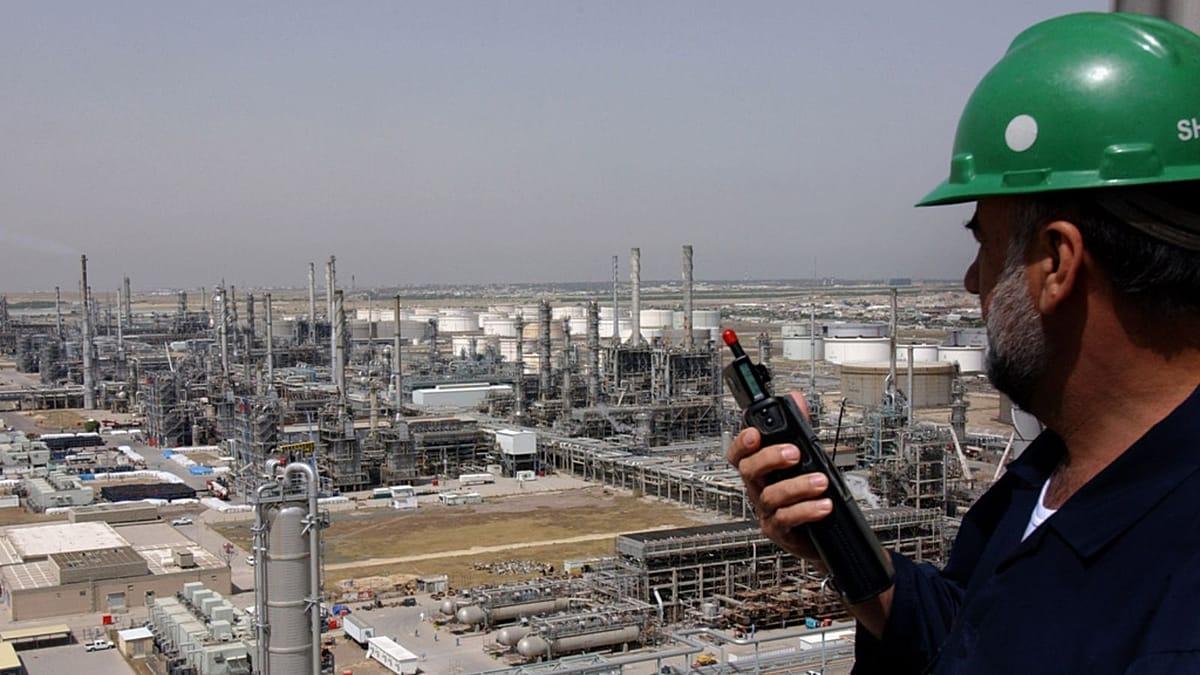
U.S. and Iranian negotiators headed to a Swiss venue for talks on adding key details to their interim agreement to halt the war, hours after Tehran said it closed the Strait of Hormuz again because of Israel’s attacks in Lebanon.
The agreement calls for toll-free travel for 60 days, and U.S. President Donald Trump threatened to impose American tolls in the crucial waterway if a final deal with Iran isn’t reached in 60 days.

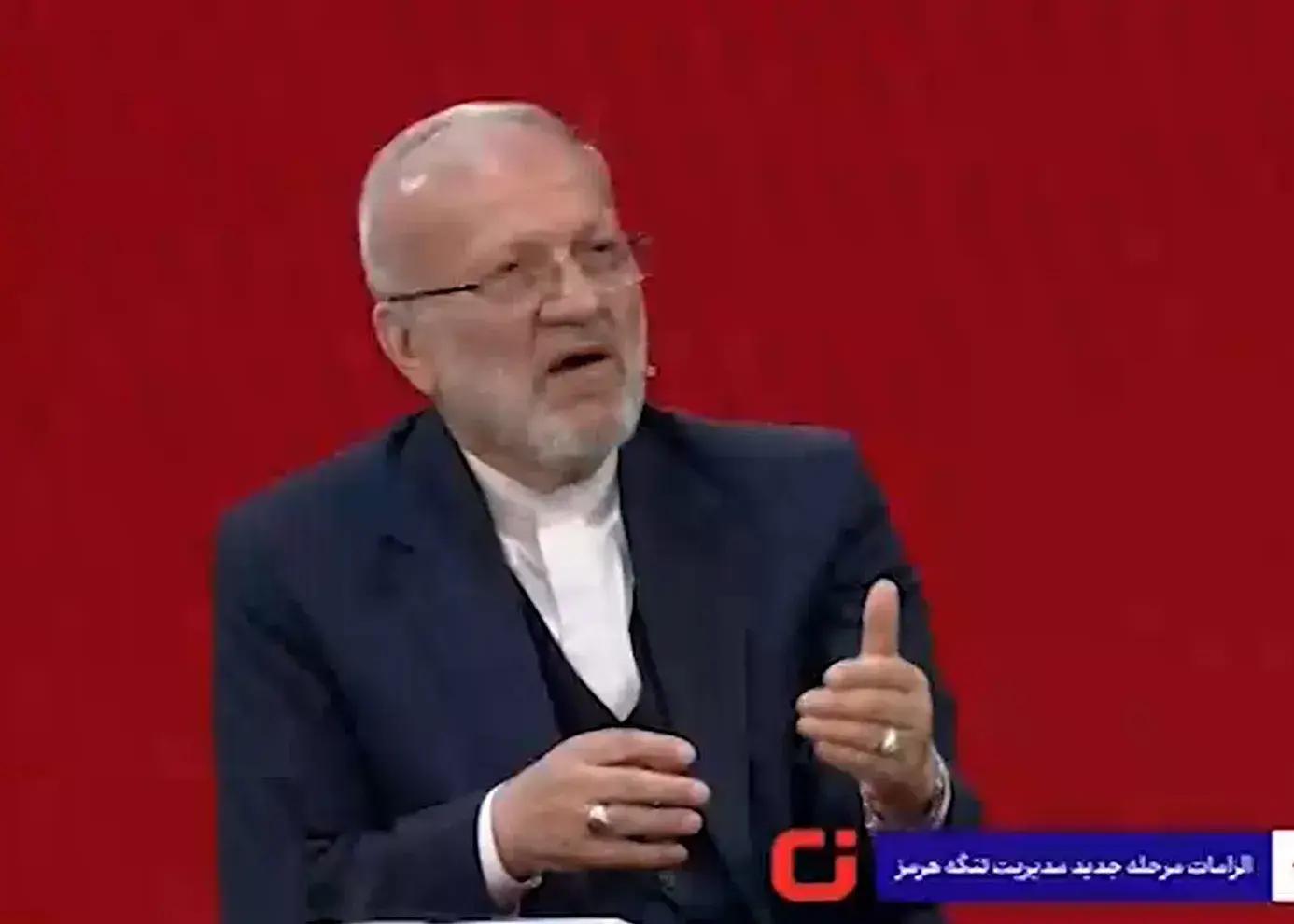
U.S. Vice President JD Vance left for Switzerland on Saturday evening as Iranian state TV posted video showing Iran’s negotiators arriving there, and the Iranian team was led by parliamentary Speaker Mohammad Bagher Qalibaf with Foreign Minister Abbas Araghchi among others.
The AP reported that the U.S. disputed Iran’s announcement, with Capt. Tim Hawkins saying, "Iran does not control the Strait of Hormuz. Traffic continues to flow, and U.S. forces are monitoring the situation to ensure this remains the case," while the military said 55 merchant ships transited Saturday with more than 17 million barrels of oil.
CNN said the fighting in southern Lebanon was threatening the tentative U.S.-Iran deal, describing a memorandum of understanding that includes a ceasefire in Lebanon that would protect Hezbollah from Israeli strikes so long as it doesn’t fire at Israel.
Threats, walkout, and mediators
As talks began in Switzerland, Trump continued threatening Iran, and Le Monde reported that Iran’s delegation on Sunday walked out of the Swiss venue after Donald Trump threatened to strike the Islamic republic over its support for Hezbollah.
Le Monde quoted Iran’s state news agency IRNA saying, "The delegation of the Islamic Republic of Iran, after meeting with the Qatari delegation as one of the mediating parties, left the building where the negotiations were being held," while an AFP-cited diplomat said, "The Iranian delegation remains engaged in the talks and has not indicated to the mediators any intention to leave."

In parallel, Trump posted on Truth Social that "Iran must immediately stop their highly paid PROXIES in Lebanon from causing trouble," and Naharnet reported he added, "If they don’t, we’ll hit Iran very hard again, just like we did last week, only harder!!!"
CNN also quoted Israel’s far-right National Security Minister Itamar Ben Gvir saying, "With all due respect to the Americans, Israel must make it clear to the entire world that the blood of our sons and the security of our citizens are not up for sacrifice," as it described Netanyahu’s position that Israel would not withdraw from Lebanon.
The AP said mediator Pakistan indicated the technical-level talks would begin Sunday, with Qatari mediators also participating, and it reported that Vance said he would be in Switzerland “for a day or two” while optimistic about progress.
What’s at stake next
The AP said the interim deal signed by Trump and Iranian President Masoud Pezeshkian gives negotiators 60 days to reach a nuclear agreement, and it described the deal as calling for billions of dollars of Iran’s assets to be unfrozen.
CNN said the memorandum of understanding’s first paragraph stipulates the immediate and permanent termination of military operations on all fronts, including in Lebanon, and it quoted the text that the parties would "declare the immediate and permanent termination of military operations on all fronts, including in Lebanon".
France 24 reported that Trump threatened to strike Iran if it did not stop Hezbollah from "causing trouble," as peace talks between senior US and Iranian officials began in Switzerland, while Israeli strikes on Lebanon continued.
In the same AP reporting, Capt. Tim Hawkins said U.S. forces were monitoring the Strait of Hormuz to ensure traffic continues to flow, and the military said 55 merchant ships transited Saturday with more than 17 million barrels of oil.
Radio Free Europe/Radio Liberty warned that regional escalation could undermine the diplomatic track, and it quoted Qalibaf telling Washington, "We do not take American threats into account," as it described the Strait of Hormuz and the Israeli-Lebanese conflict as major fault lines.