
Trump Threatens Bombing Iran as U.S.-Iran Peace Talks in Pakistan Stall Before Ceasefire Expires
Key Takeaways
- Iran has not confirmed attendance in Pakistan for US-Iran talks.
- A two-week ceasefire between the US and Iran nears expiry with no extension.
- Trump threatens bombing Iran if no deal is reached.
Ceasefire nears expiry
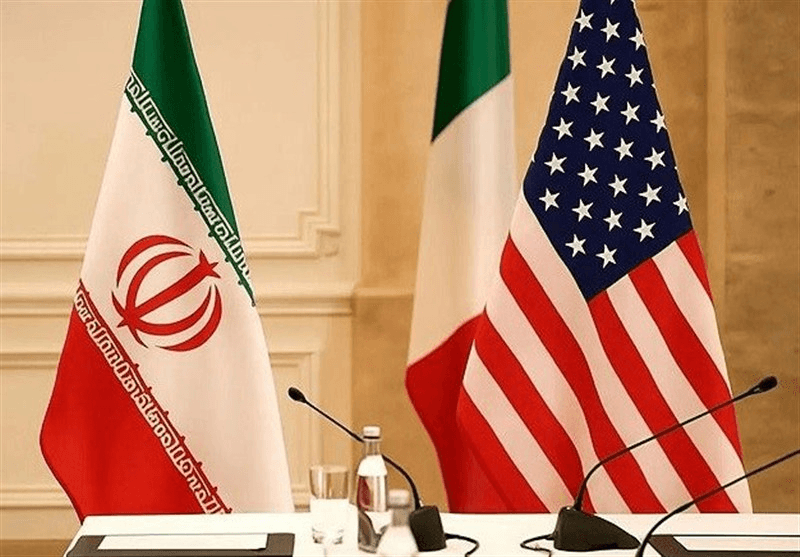
The United States and Iran escalated their war of words as a two-week ceasefire nears expiry, with each side raising the stakes ahead of a second attempt at reaching a peace deal in Pakistan.
CNBC reported that Iran’s parliamentary speaker, Mohammad Bagher Ghalibaf, criticised U.S. President Donald Trump for “imposing a siege and violating the ceasefire,” and for seeking to turn negotiations into “a table of surrender or to justify renewed warmongering.”

CNBC also said Ghalibaf warned, “We do not accept negotiations under the shadow of threats,” and added, “In the past two weeks, we have prepared to reveal new cards on the battlefield.”
Trump, meanwhile, renewed his threat of bombarding Iran with overwhelming military force if no deal is reached, saying that “lots of bombs [will] start going off.”
CNBC further reported that Trump said the truce expires on “Wednesday evening Washington time,” and that he is unlikely to extend the Iran ceasefire beyond Wednesday.
Al Jazeera described the fragile ceasefire as poised to expire on Wednesday, noting that “there has been no confirmation yet from Iranian officials about whether they will attend.”
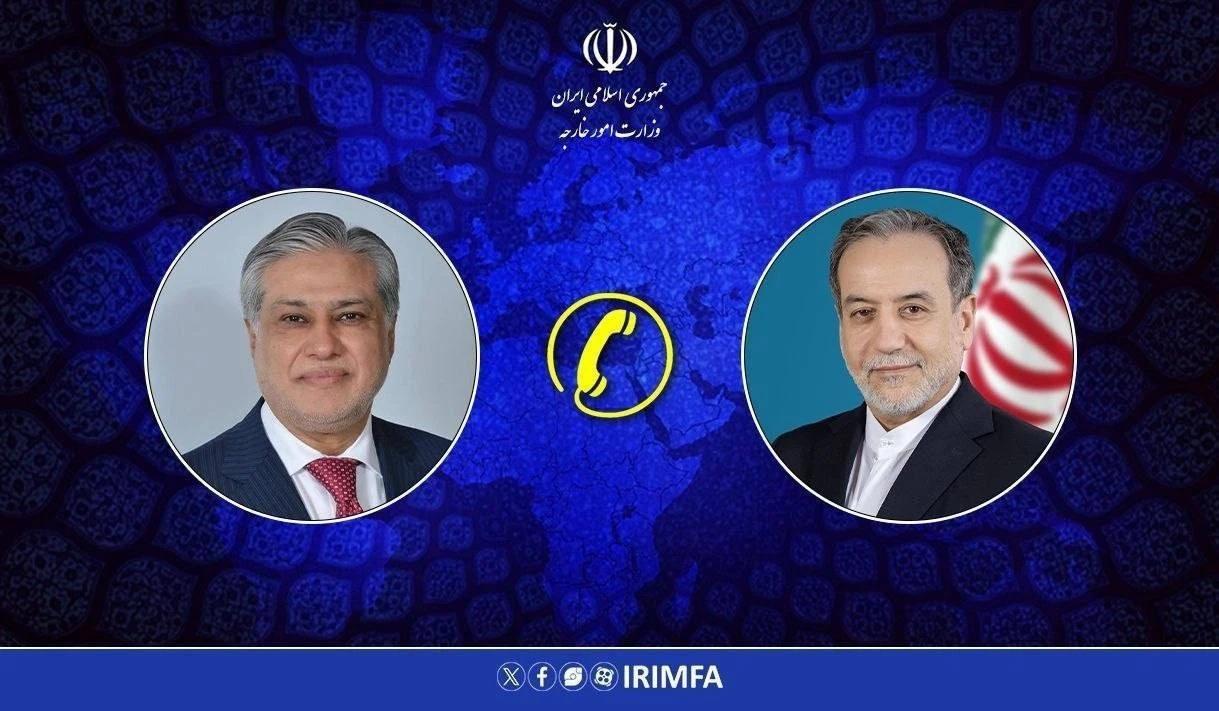
In parallel, DW said Pakistan was waiting for Iran’s formal response to new talks with the U.S., with Pakistan’s information minister Attaullah Tarar stressing that the ceasefire ends at 04:50 a.m. PST (1150 GMT).
Delegations and denials
As Islamabad prepared for a second round of talks, multiple outlets reported that Iran had not confirmed participation and that Iranian officials denied sending any delegation.
Clarion India and Al-Manar TV Lebanon both cited Iran’s state-run broadcaster IRIB, saying “no delegation from Iran has gone to Islamabad, Pakistan; neither a main nor a subsidiary delegation; neither primary nor secondary.”

Clarion India added that IRIB said multiple media reports about an Iranian delegation traveling or talks being scheduled for Monday evening or Tuesday morning “were untrue,” and it reiterated that Tehran’s position was that “continuing participation in talks depends on changes in the behaviour of the Americans” and that Iran rejects negotiations “under the shadow of threats.”
Al Jazeera similarly said Tehran had “yet to confirm its participation in this latest round of negotiations,” while noting that the first round in Islamabad on April 11 ended without a breakthrough.
The Statesman reported that Trump told CNBC that Iran has “no choice but to send” its delegation to Pakistan, while also saying he expected “bombing” to resume if a deal is not signed.
DW said Pakistan’s information minister Attaullah Tarar told reporters the country was in “constant touch with the Iranians,” and that Iran’s decision before the ceasefire expires is “critical.”
The New Arab reported that Iranian state media said no delegation had yet departed for Pakistan, and it quoted an Iranian official source saying Tehran’s position “has not changed.”
Threats, blockade, and sea incidents
The diplomatic standoff has been accompanied by maritime confrontation and renewed threats over the Strait of Hormuz, with both sides framing actions as violations of the ceasefire.
Al Jazeera reported that since the first round of talks, “the US has imposed a naval blockade on all Iran-linked ships trying to pass through the Strait of Hormuz,” and that Iran “has fired at ships trying to transit through the vital shipping route.”
It added that “early on Monday, the US shot at and then seized an Iranian vessel trying to pass through the narrow waterway,” and said Tehran called the ship’s seizure “piracy” and threatened retribution.
DW described the same pattern through a Pentagon statement, saying U.S. forces intercepted and boarded a vessel identified as M/T Tifani, described by the Pentagon as a “stateless sanctioned” ship, and boarded “without incident in the INDOPACOM area of responsibility.”
DW also said the Pentagon described the move as part of its effort to “interdict sanctioned vessels providing material support to Iran,” and it quoted the Pentagon: “International waters are not a refuge for sanctioned vessels.”
Al-Manar TV Lebanon said the uncertainty followed the US Navy targeting an Iranian merchant vessel in the Sea of Oman, describing Iran’s response posture as active and calling the incident a “criminal operation” and “maritime piracy.”
The New Arab reported that tensions escalated after Trump ordered the seizure of an Iranian cargo ship on Sunday, with Tehran demanding the immediate release of the vessel’s crew detained in the waters of the Sea of Oman.
Nuclear demands and leverage
Negotiations in Islamabad are also tied to disputes over Iran’s nuclear program and the question of leverage, with Trump asserting specific claims and Iran denying them.
CNBC reported that the fate of Iran’s nuclear material remained a key sticking point, and it said Trump claimed on Friday that Iran had agreed to transfer its stockpile of highly enriched uranium to the U.S., a claim that Iran denied within hours.
CNBC also said Trump repeated in a Truth Social post late Monday that “Operation Midnight Hammer” — the June 2025 strikes targeting three facilities critical to Tehran’s nuclear program — succeeded in creating a “total obliteration of the Nuclear Dust sites” and that “digging it out will be a long and difficult process.”
The New Arab described Trump’s hard line ahead of the deadline, saying he said it was “highly unlikely” the ceasefire would be extended without a deal and that Washington would maintain its blockade of Iranian ports in the Strait of Hormuz.
The New Indian Express said the atomic issue remains a key sticking point and that Trump justified the war as an attempt to stop Tehran acquiring nuclear weapons, which it said Iran has always denied.
It also reported that a major sticking point is Iran’s stockpile of near-weapons-grade enriched uranium, and it quoted Trump saying on Friday that Iran had agreed to hand over its roughly 440 kilogrammes of enriched uranium, while also quoting Iran’s foreign ministry saying the stockpile was “not going to be transferred anywhere” and that surrendering it “to the US has never been raised in negotiations.”
Al Jazeera’s analysis added that the key hurdle before any second round was “whether the US is willing to ease pressure enough to make diplomacy credible and whether Iran is willing to curb its leverage enough to keep talks alive.”
What happens next
Across the reporting, the next steps hinge on whether talks can proceed without Tehran’s participation being conditional on changes in U.S. behavior, and whether the ceasefire is extended beyond Wednesday.
Al Jazeera said “there has been no confirmation yet from Iranian officials about whether they will attend,” while also describing a possible path where mediators in Islamabad aim for a “memorandum of understanding” to buy time and extend the ceasefire.
It quoted Ali Vaez saying, “Success would not be a final deal,” and described it as an interim understanding that “extends talks, stabilises the ceasefire and creates a framework for trading nuclear steps for sanctions relief.”
DW said Pakistan’s Attaullah Tarar reminded that the ceasefire ends at 04:50 a.m. PST (1150 GMT), and it said Iran’s decision before the ceasefire expires is “critical.”
The Statesman reported that Trump said he is confident the U.S. will get a “great deal” even as he insisted on not extending the ceasefire, and it said he expects “bombing” if no deal is signed.
The New Arab reported that Axios said the ceasefire had been extended by one additional day, while also noting that neither side has officially confirmed this.
With maritime activity already disrupted, Palestine Chronicle cited Reuters shipping company data saying “only 3 vessels crossing the Strait of Hormuz in the last 24 hours,” underscoring how quickly conditions could shift as the deadline approaches.
More on Iran
Trump Warns U.S. Will Resume Bombing If Iran Talks Fail Before Ceasefire Deadline
11 sources compared

Reuters/Ipsos Poll Finds 36% Approve Trump’s Job Performance Amid Iran War And Pope Feud
10 sources compared
Iran’s Judiciary Chief Mohseni-Eje’i Warns US-Israeli War Coalition May Strike Again
11 sources compared

Trump Says U.S. Expects a Great Deal With Iran, Won’t Extend Ceasefire Deadline
25 sources compared