
Trump Threatens Iran Over Ceasefire Deadline as U.S. Seizes Iranian Ship
Key Takeaways
- Trump threatened Iran with overwhelming military force as the ceasefire deadline loomed.
- U.S. seized an Iranian-flagged ship near the Strait of Hormuz, triggering Tehran's retaliation warnings.
- Vice President JD Vance leads delegation to Pakistan for talks; Iran's participation uncertain.
Ceasefire Deadline Nears
The United States and Iran are heading toward a tense deadline as a two-week ceasefire nears its expiration, with multiple outlets describing sharply different levels of confidence about whether diplomacy can still avert renewed violence.
“To watch this video and enjoy all of 9Now’s great content, log in or create a free Nine account Log inSign up”
CNN reports that President Donald Trump said the ceasefire ends “Wednesday evening Washington time,” adding it’s “highly unlikely” he would extend it if a deal is not reached before then.
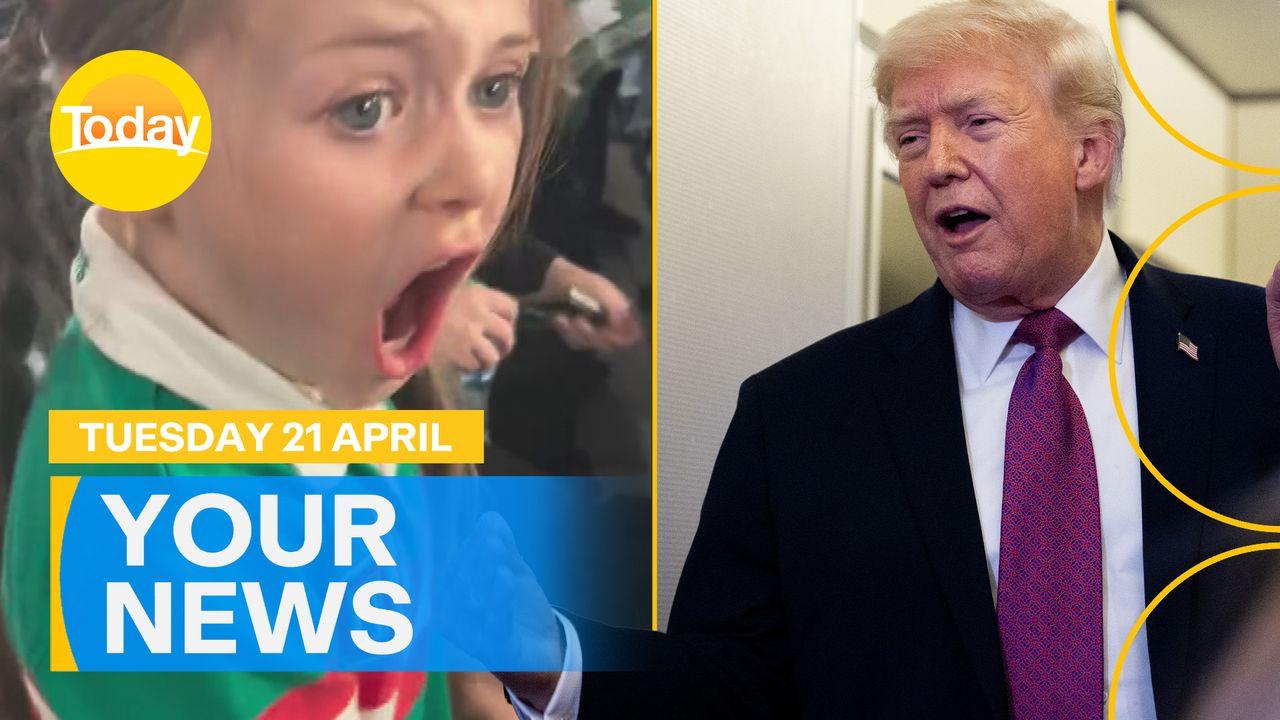
NBC News similarly frames the timing around Wednesday, saying “With the ceasefire set to end Wednesday, President Donald Trump threatened to ‘knock out every single Power Plant, and every single Bridge, in Iran’ if there is no deal.”
The New York Times describes a second round of face-to-face peace talks planned for Pakistan, noting that “a tense calm prevailed” after the U.S. Navy seized and boarded an Iranian cargo ship, while the two sides remained at an impasse over marine traffic through the Strait of Hormuz.
The New York Times also says Vice President JD Vance is set to lead a U.S. delegation to Pakistan as Mr. Trump pushes for a peace deal, and that Iranian officials said privately they would send a team if Mr. Vance were there.
NBC News adds that Iran’s Foreign Ministry said “no decision has been made” on whether to hold new talks, leaving Tehran’s participation unclear even as U.S. negotiators prepare to travel.
In parallel, CNN reports that only 16 ships traversed the Strait of Hormuz on Monday, underscoring how the blockade and uncertainty are affecting maritime traffic as the deadline approaches.
Ship Seizure and Blockade
The diplomatic uncertainty is tied directly to the U.S. seizure of an Iranian-flagged vessel near the Strait of Hormuz, which multiple reports connect to the blockade and to the shifting tone of negotiations.
The New York Times says “a day after the U.S. Navy seized and boarded an Iranian cargo ship,” negotiators were expected to go to Pakistan for a second round, even as the U.S. and Iran remained “at an impasse over marine traffic through the Strait of Hormuz.”

CNN describes the same event through its account of U.S. Marines boarding and seizing the “Touska,” saying the boarding was captured in a “carefully edited video released by the US military,” and that Marines dropped down to the deck of the “Touska” from helicopters.
NPR adds operational detail, stating that a video released by U.S. Central Command shows the seizure of the Iranian ship, the Touska, after “guided-missile destroyer USS Spruance (DDG 111) disabled Touska's propulsion.”
NPR also reports President Trump’s explanation that the U.S. “stopped them right in their tracks by blowing a hole in the engine room” after the ship failed to heed repeated warnings, and that Marines then took control of the vessel.
NBC News says Iran’s military vowed to retaliate after the U.S. Navy fired on and seized an Iranian-flagged cargo ship near the Strait of Hormuz as part of the American blockade.
The New York Times further notes that the U.S. Navy had “turned back 27 ships” as part of its blockade of the strait, while crude oil prices “crept back up toward $100 a barrel on Monday.”
Iran’s Conditions and Retaliation
Iran’s stance toward the talks is portrayed as conditional and shaped by the blockade and by threats, with multiple outlets quoting Iranian officials directly.
“What to know about the Iran war today: - President Trump said Monday he was "under no pressure whatsoever" to make a deal with Iran after the regime said it has with Mr”
NBC News reports that Iran’s Foreign Ministry said “no decision has been made” on whether to hold new talks, even as Vice President JD Vance and other U.S. negotiators are set to travel to Pakistan.
CNN says Iran’s Foreign Ministry earlier insisted there were no negotiations “as of now,” and it also notes that Trump projected confidence Tehran would come to the table while the Iranian side remained cautious.
The New York Times includes a statement of Iranian skepticism, saying Iran’s foreign ministry spokesman, Esmail Baghaei, refused to confirm if Iran would take part in a second round of peace talks in Islamabad this week and called it “their own business.”
The New York Times also quotes President Masoud Pezeshkian’s message on social media, saying “deep historical mistrust” exists between Iran and the United States and warning that Americans “seek Iran’s surrender. Iranians do not submit to force.”
NBC News and CBS News both highlight the parliament speaker’s rejection of talks under pressure, with CBS quoting Mohammad-Bagher Ghalibaf: “We do not accept negotiations under the shadow of threats.”
In addition to the diplomatic posture, NBC News says Iran’s military vowed to retaliate after the U.S. Navy fired on and seized an Iranian-flagged cargo ship near the Strait of Hormuz as part of the American blockade.
U.S. Messaging and Negotiator Plans
U.S. messaging in the reporting is characterized by a mix of insistence that Iran will negotiate and explicit threats if it does not, while the planned travel to Pakistan remains central to the timeline.
CNN reports that President Trump said he was confident Tehran would come to the table, and it quotes him warning that if Iran does not, it will face “problems like they’ve never seen before.”

CNN also says Trump projected confidence in a phone interview late Monday on “The John Fredericks Show,” and it includes Trump’s statement that “Well, they’re going to negotiate, and if they don’t, they’re going to see problems like they’ve never seen before.”
NBC News similarly quotes Trump’s threats, stating that he threatened to “knock out every single Power Plant, and every single Bridge, in Iran” if there is no deal.
CBS News adds that Trump said he was “under no pressure whatsoever” to make a deal with Iran after the regime said it has with Mr. Trump's top three negotiators, including Vice President JD Vance.
On the logistics side, NPR says a U.S. negotiating team is expected to head to Pakistan for a second round of peace talks, and it reports that the delegation led by Vice President Vance, along with U.S. envoy Steve Witkoff and Jared Kushner, plans to travel to Islamabad soon.
The New York Times adds that Pakistan’s government said it was “deploying thousands of security personnel” to ensure negotiators’ safety, and it says Mohammad Bagher Ghalibaf would attend if Mr. Vance also did.
Casualties, Oil, and What Comes Next
Beyond the immediate diplomatic maneuvering, the reporting ties the stakes to casualties, oil-market volatility, and the risk of renewed strikes as the ceasefire ends.
“• Looming deadline: US President Donald Trump said the ceasefire with Iran ends “Wednesday evening Washington time,” adding it’s “highly unlikely” he would extend it if a deal is not reached before then”
NBC News includes a detailed death toll attributed to Iran’s forensics chief, saying “Iran’s forensics chief said nearly 3,400 people had been killed in the country since U.S.-Israeli strikes began Feb. 28,” and it adds that “More than 2,200 people have been killed in Lebanon, 32 have been killed in Gulf states, and 23 have died in Israel.”

NBC News also states that “Thirteen U.S. service members have been killed, and two more died of noncombat causes,” linking the conflict’s regional scope to the U.S.-Iran confrontation.
NPR similarly reports that “At least 3,375 people have been killed in Iran since the U.S. and Israel launched attacks on the country seven weeks ago,” and it says Abbas Masjedi reported that “383 of the dead were children under 18 years old.”
CNN frames the economic pressure through shipping and markets, saying uncertainty over when the strait might reopen is pushing global oil prices back up and weighing on U.S. stocks, while also reporting that only 16 ships traversed the Strait of Hormuz on Monday.
The New York Times adds that the U.S. Navy had “turned back 27 ships” as part of its blockade and that crude oil prices “crept back up toward $100 a barrel on Monday,” showing how operational decisions translate into market signals.
Looking ahead, multiple outlets describe preparations for talks in Islamabad and the possibility that diplomacy may fail, with CNN saying the ceasefire extension is “highly unlikely” if no deal is reached and NPR reporting that the high-security Red Zone has been “completely sealed.”
More on Iran
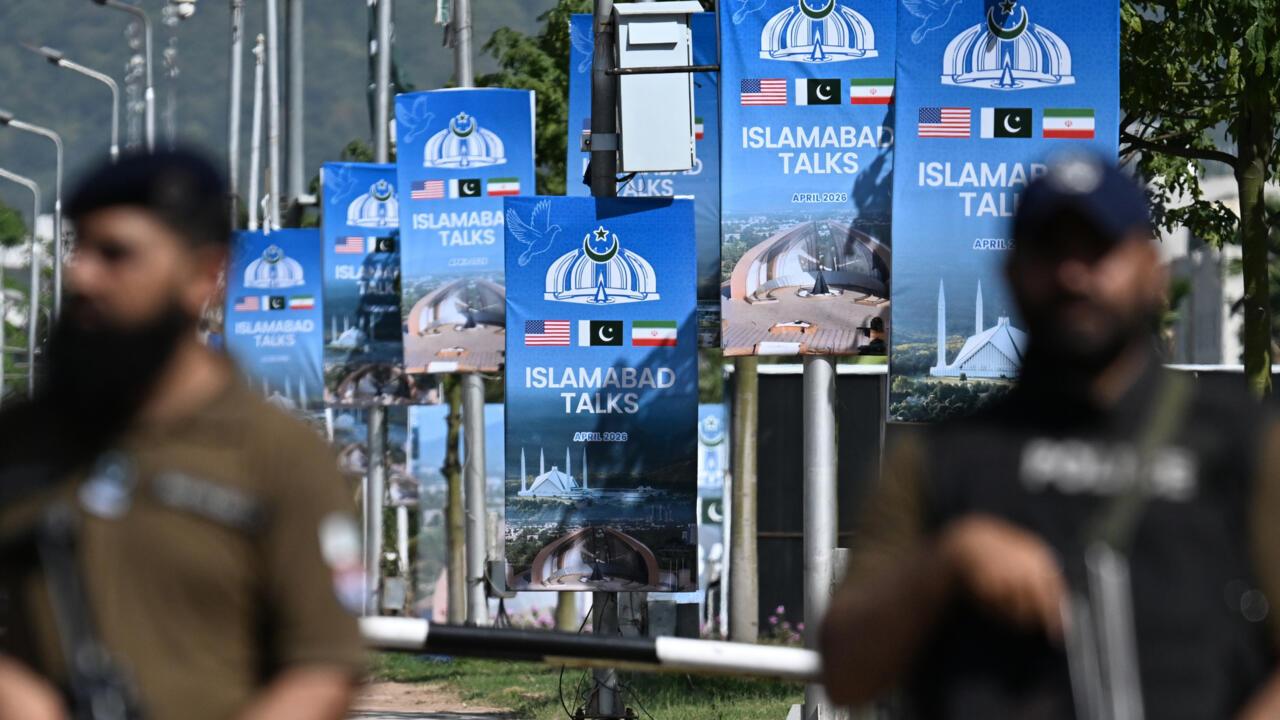
JD Vance Leads U.S. Delegation to Islamabad as U.S.-Iran Ceasefire Expires
13 sources compared
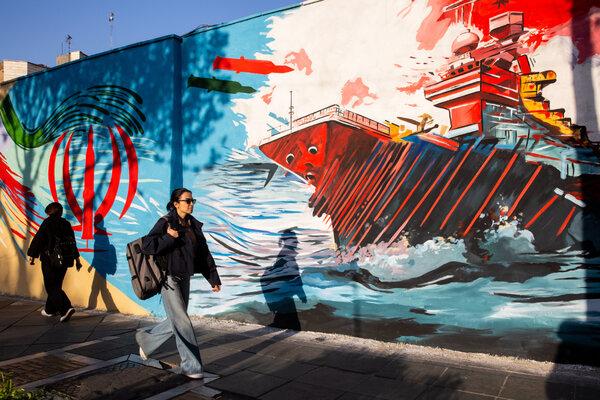
Trump Says He Faces No Pressure as U.S. Seizes Iranian Vessel Before Ceasefire Expiry Wednesday
26 sources compared
Iran Warns It Will Respond Decisively If U.S. Violates Ceasefire Before Talks in Pakistan
18 sources compared

Trump Threatens Iran With Bombs as U.S.-Iran Ceasefire Expires Wednesday
29 sources compared