Iran20 April, 20266 min read
Trump Threatens Iran Over Ceasefire Deadline as U.S. Seizes Ship in Strait of Hormuz
This article is an automated aggregation of coverage from news outlets. Our editorials offer in-depth analysis curated by the NewsCord team.
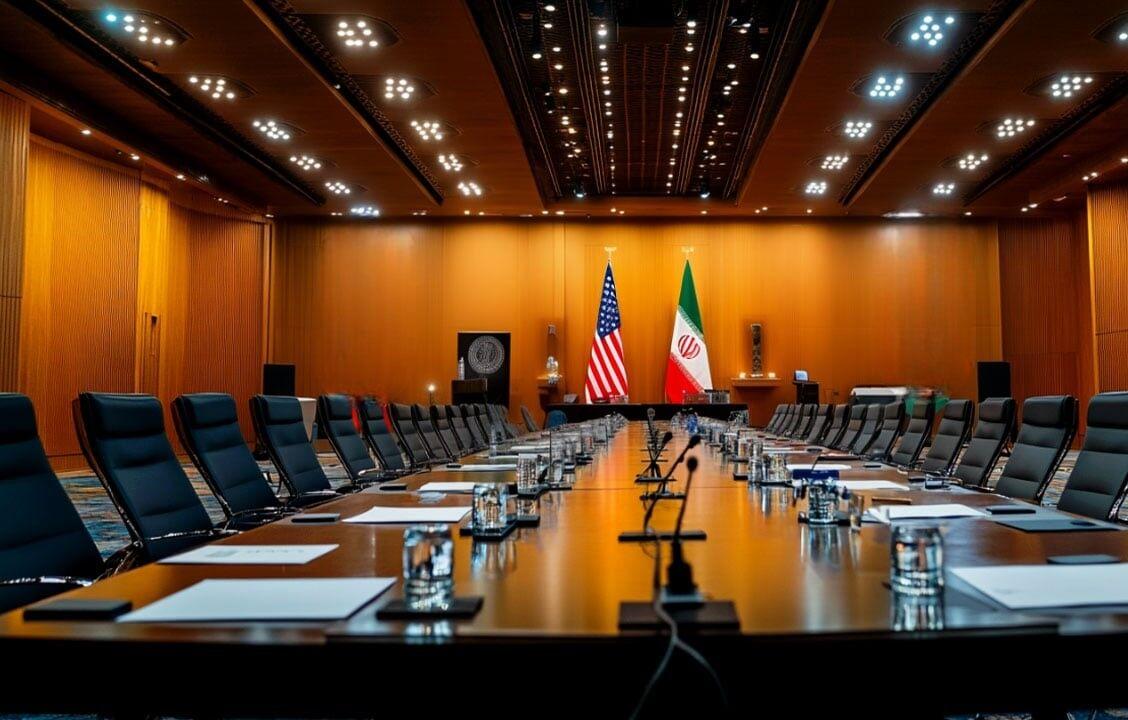
U.S. forces seized an Iranian-flagged cargo ship near the Strait of Hormuz. Trump threatened overwhelming military force if no Iran deal before the ceasefire expires.
Anadolu Ajansı was read line by line by the Watchdog: 3.5. See the score →
Ceasefire Deadline Nears
The United States and Iran are racing toward a looming ceasefire deadline as President Donald Trump insists he is “under no pressure whatsoever” to make a deal, while Vice President JD Vance and other U.S. officials prepare for a second round of peace talks in Pakistan.
CBS News reported that Trump said Monday he was “under no pressure whatsoever” to make a deal with Iran after the regime said it has with Mr. Trump's top three negotiators, including Vice President JD Vance.
CNN reported that Trump said the ceasefire with Iran ends “Wednesday evening Washington time,” adding it’s “highly unlikely” he would extend it if a deal is not reached before then.
NBC News said the ceasefire set to end Wednesday is paired with Trump’s threats, including that he threatened to “knock out every single Power Plant, and every single Bridge, in Iran” if there is no deal.
The dispute is playing out alongside a maritime standoff in the Strait of Hormuz, where CNN said only 16 ships traversed the Strait of Hormuz on Monday as captains and ships’ owners remained cautious.
NBC News and NPR both tied the diplomatic uncertainty to the U.S. seizure of an Iranian-flagged cargo ship near the Strait of Hormuz, with NBC News saying the U.S. Navy fired on and seized the ship as part of the American military blockade.
In parallel, NPR said preparations to host Iranian and U.S. negotiating teams were underway in Pakistan’s capital, Islamabad, despite questions over whether Iran would attend.
Ship Seizure and Blockade
The immediate flashpoint behind the renewed urgency is the U.S. action against an Iranian-flagged cargo ship near the Strait of Hormuz, which both sides used to frame the state of diplomacy.
CNN described the U.S. boarding and seizure of an Iranian-flagged cargo ship that tried to bypass the U.S. naval blockade on Sunday, saying the boarding was captured in a “carefully edited video released by the US military.”
NBC News said the U.S. Navy fired on and seized an Iranian-flagged cargo ship near the Strait of Hormuz as part of the American military blockade, and it reported that Iran’s military vowed to retaliate after the seizure.
NPR added operational detail, saying a video released by U.S. Central Command (CENTCOM) shows the seizure of the Iranian ship, with Marines descending from a helicopter by rope to board the vessel, the Touska, after “guided-missile destroyer USS Spruance (DDG 111) disabled Touska's propulsion,” according to a statement posted online with the video.
NPR also quoted Trump’s account that the U.S. military had “stopped them right in their tracks by blowing a hole in the engine room” after the ship failed to heed repeated warnings.
The New York Times reported that the U.S. Navy had turned back “27 ships” as part of its blockade of the strait, and it said crude oil prices crept back up toward $100 a barrel on Monday.
CBS News similarly linked the maritime uncertainty to markets, saying uncertainty over when the strait might reopen is pushing global oil prices back up and weighing on U.S. stocks.
Iran Rejects Threat-Shadow Talks
Iran’s leadership and negotiators are publicly rejecting the premise of talks under pressure, while U.S. officials project confidence that Tehran will come to the table.
“We do not accept negotiations under the shadow of threats.”
Iran’s parliament speaker Mohammad Bagher Ghalibaf cast doubt on future negotiations with the U.S., telling CBS News that “We do not accept negotiations under the shadow of threats.”
CBS News also reported Ghalibaf’s warning that “Trump, by imposing a siege and violating the ceasefire, seeks to turn this negotiating table— in his own imagination— into a table of surrender or to justify renewed warmongering,” and it said Ghalibaf added, “We do not accept negotiations under the shadow of threats, and in the past two weeks, we have prepared to reveal new cards on the battlefield.”
NBC News said Iran’s Foreign Ministry told the U.S. that “no decision has been made” on whether to hold new talks, even as Vice President JD Vance and other U.S. negotiators appeared set to travel to Pakistan.
CNN reported that Iran’s Foreign Ministry earlier insisted there were no negotiations “as of now,” even while Trump projected confidence Tehran would come to the table.
NPR said Iranian Foreign Ministry spokesman Esmail Baghaei told Iran’s state news agency, IRNA, that Tehran had no plans yet regarding a second round of talks and accused the U.S. of lacking “seriousness in pursuing a diplomatic process.”
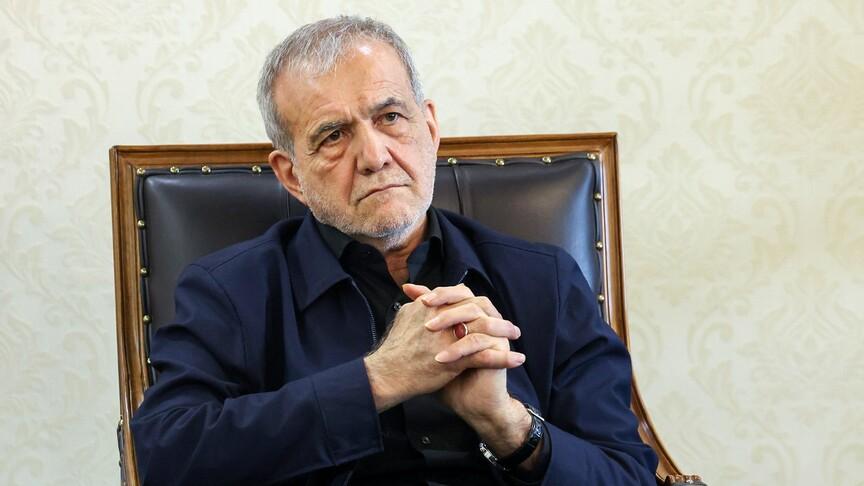
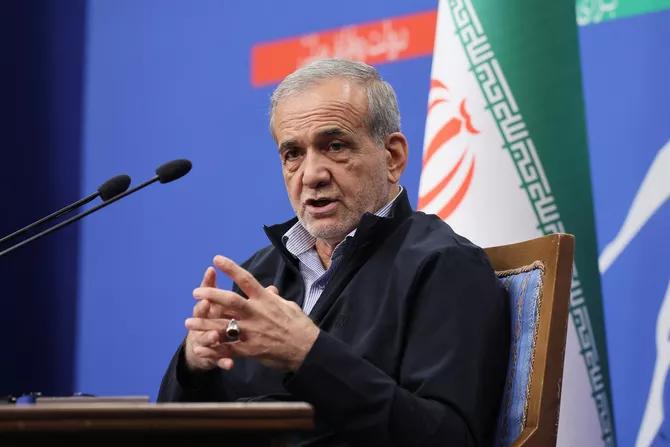
The New York Times described the public posture as hardened, quoting Iran’s president Masoud Pezeshkian on social media that “seek Iran’s surrender. Iranians do not submit to force.”
Pakistan Prepares for Talks
As the U.S. and Iran posture hardens, Pakistan is taking visible steps to host and secure the next round of diplomacy in Islamabad, including sealing off the Red Zone and moving government operations online. The Express Tribune reported that “all ministries, divisions and other federal government establishments located within the Red Zone, Islamabad, shall work from home on Monday, April 20,” and it said “entry into the Red Zone shall remain suspended on April 20, Monday.” It also said Islamabad Traffic Police advised citizens to follow advisories and stay updated through its WhatsApp channel, social media platforms, and ITP FM 92.4.
The Express Tribune described security measures including that “more than 10,000 personnel” were deployed across the city, with “Over 600 special pickets” established and strict monitoring at entry and exit points. It further stated that “Around 18,000 personnel, including reinforcements from Punjab, are expected to take part,” and it said Islamabad Police, Pakistan Rangers and the Frontier Corps would jointly man checkpoints.
The New York Times said Pakistan’s government was deploying “thousands of security personnel” to ensure negotiators’ safety, and it described the talks as a second round planned for Tuesday in Pakistan. The Washington Post framed the situation as “shaky footing” after the U.S. seizure of an Iranian-flagged vessel, linking the threatened attendance to the security and diplomatic environment in Pakistan.
Diverging Death Toll and Stakes
The stakes of the U.S.-Iran confrontation are reflected in casualty figures and in the way each side links military pressure to negotiations, with multiple outlets citing different death tolls.
NBC News reported that Iran’s forensics chief said nearly 3,400 people had been killed in the country since U.S.-Israeli strikes began Feb. 28, and it added that more than 2,200 people had been killed in Lebanon, 32 have been killed in Gulf states, and 23 have died in Israel, while 13 U.S. service members had been killed and two more died of noncombat causes.
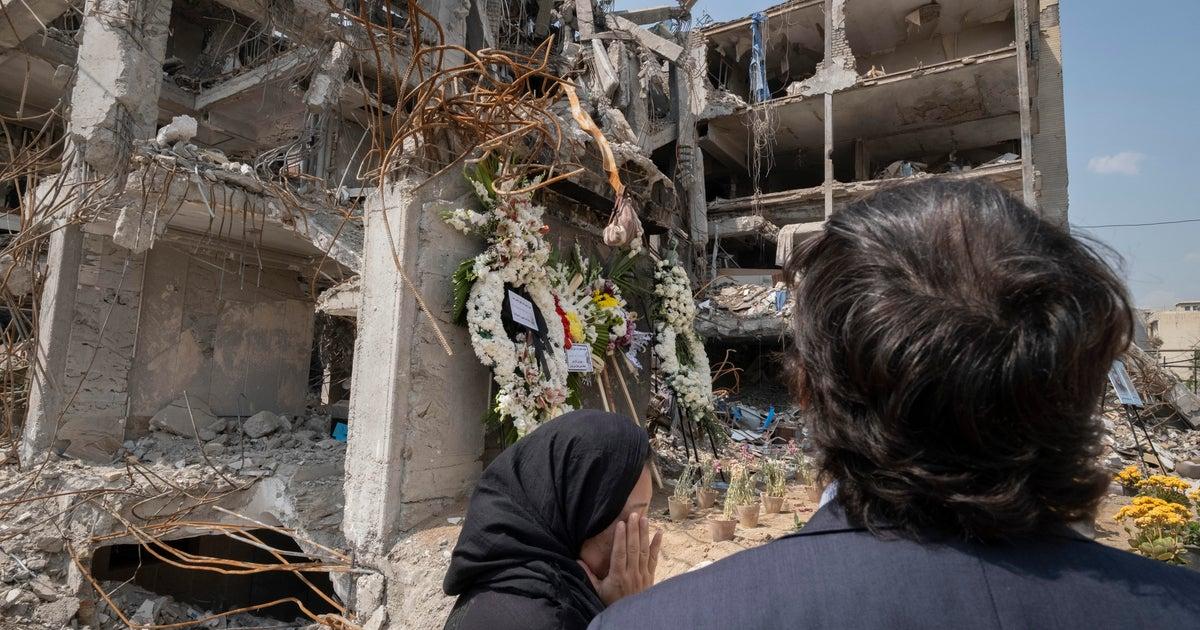
NPR reported a different Iran total, saying at least 3,375 people have been killed in Iran since the U.S. and Israel launched attacks on the country seven weeks ago, and it said Abbas Masjedi, the head of Iran’s Legal Medicine Organization, didn’t give separate figures for civilian and security force casualties.
NPR also said Abbas Masjedi said 383 of the dead were children under 18 years old, according to Iran’s Mizan news agency.
CBS News reported that Iran executed two more members of the Mujahedeen-e-Khalq opposition group on Monday, naming Mohammad Masoom Shahi, 38, also known as Nima, and Hamed Validi, 45, and it said they were put to death at dawn in Karaj prison outside Tehran.
In the diplomatic arena, Trump’s threats and Iran’s rejection of “negotiations under the shadow of threats” are framed as direct obstacles to a deal, with NBC News quoting Trump’s threat to “knock out every single Power Plant, and every single Bridge, in Iran” if there is no deal and CBS News quoting Ghalibaf’s “We do not accept negotiations under the shadow of threats.”
The New York Times said the U.S. and Iran remained at an impasse over marine traffic through the Strait of Hormuz while Trump vowed to keep in place a blockade of Iranian ports and Iran reasserting military control of the crucial waterway.