
Trump Threatens Iran, Then Offers Days for Ceasefire Talks Amid Naval Blockade
Key Takeaways
- Trump oscillates between threatening Iran and pursuing diplomacy, signaling possible attack resumption.
- Iran's UN ambassador asks Security Council to break silence over U.S. threats and violations.
- Iran frames civilian protection and international law as legal obligations at UN Security Council.
Diplomacy vs threats
Donald Trump’s Iran diplomacy and threats oscillated in the same week, after he revealed he was “just an hour away from ‘making the decision’ to resume attacks on Iran” while also saying he hoped for a lasting ceasefire.
“In a week that began with Donald Trump revealing he was just an hour away from “making the decision” to resume attacks on Iran, the United States president has oscillated between expressing hope for a lasting ceasefire and threatening military escalation”
Al Jazeera reported that Iran said as of Thursday it had received and was reviewing Washington’s response to Tehran’s latest ceasefire proposal, as the standoff continued alongside a naval blockade of Iran’s ports.

The Al Jazeera account also tied Trump’s shifting posture to renewed diplomacy and to US media reporting that Trump and Prime Minister Benjamin Netanyahu were at loggerheads during a phone call on Tuesday about the future of the Iran war.
In that same Al Jazeera reporting, Trump threatened on Sunday that the “clock is ticking” for Iran, then on Monday said any renewed attacks had been put “on hold” pending a request from Qatar, Saudi Arabia and the United Arab Emirates.
Al Jazeera further reported that on Tuesday Trump told reporters he was “an hour away from making the decision” to resume attacks, but instead agreed to give Iran a few “days” to return to negotiations.
UN Security Council push
Amir-Saeid Iravani, Iran’s ambassador and permanent representative to the United Nations, urged the Security Council to break its silence on the United States’ threats and what he called systematic violations of international humanitarian law during the recent illegal war of aggression.
In a statement delivered before the UN Security Council during an open debate on the “Protection of the Civilians,” Iravani said, “The Security Council must not remain silent or indifferent to the repeated and daily basis threats made by the President of the United States against Iran,” including explicit threats to bomb Iran “back to the Stone Age.”
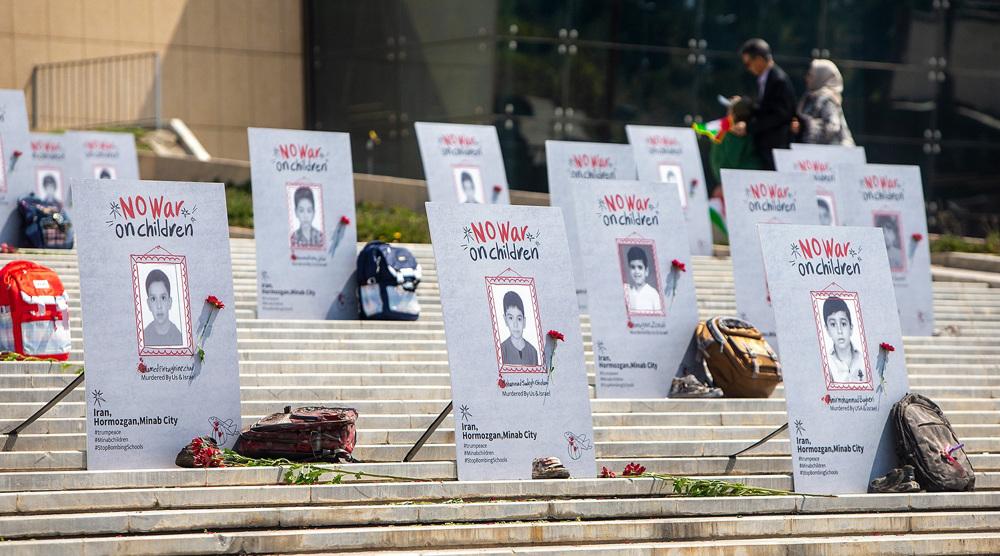
Mehr News Agency reported that Iravani also argued that protecting civilians is “a legally binding obligation” under international humanitarian law, the Geneva Conventions, and the United Nations Charter.
PressTV added that Iravani said the “normalization of such threats of force, acts of aggression, and inflammatory rhetoric by a permanent member of the Security Council sets a dangerous precedent.”
Both Mehr and PressTV framed Iravani’s remarks around deliberate targeting of civilians and civilian infrastructure, including a girls’ school in Minab that he said was completely destroyed and resulted in the deaths of more than 168 students and school staff.
War timeline and claims
The Iranian UN envoy’s remarks were anchored to a war timeline that PressTV described as beginning on February 28 with airstrikes that assassinated senior Iranian officials and commanders.
“The Iranian ambassador and permanent representative to the United Nations has called on the Security Council to break its silence on the United States’ threats against the Islamic Republic and systematic violations of international humanitarian law during the recent illegal war of aggression”
PressTV said Iran’s armed forces unleashed “100 waves of successful retaliatory strikes” against sensitive and strategic American and Israeli targets throughout the region, and it described an Islamabad-brokered temporary ceasefire going into effect on April 8.
PressTV reported that the first round of Tehran-Washington negotiations failed to reach an agreement, and it said the US unilaterally extended the truce after its expiry while imposing an “naval blockade” of Iran.
In the same PressTV account, Tehran refrained from committing to a second round of talks, with authorities citing Washington’s “excessive demands” and “piracy against Iranian ships” as impediments to concluding the war.
Al Jazeera’s reporting on the standoff also reflected the same negotiation pressure points, describing Trump’s “negotiation on air” approach as making it harder for Tehran to agree to concessions in private.
More on Iran
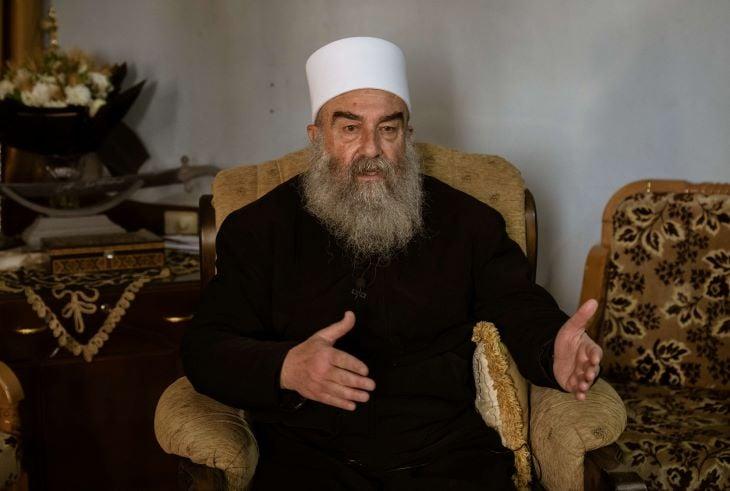
Hikmat Al-Hijri Demands Accountability, Rejects Negotiation Over July 2025 Truce Violations in Suwayda
11 sources compared
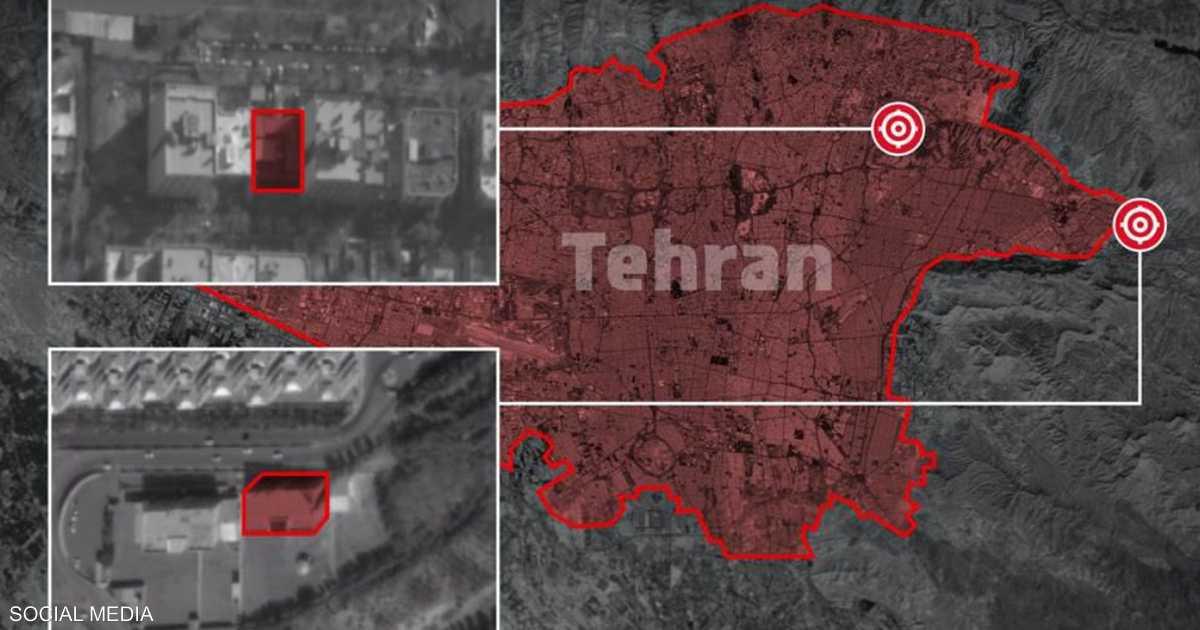
US Intelligence Says Iran Rebuilt Drone Production Faster Than Expected During April Ceasefire
12 sources compared
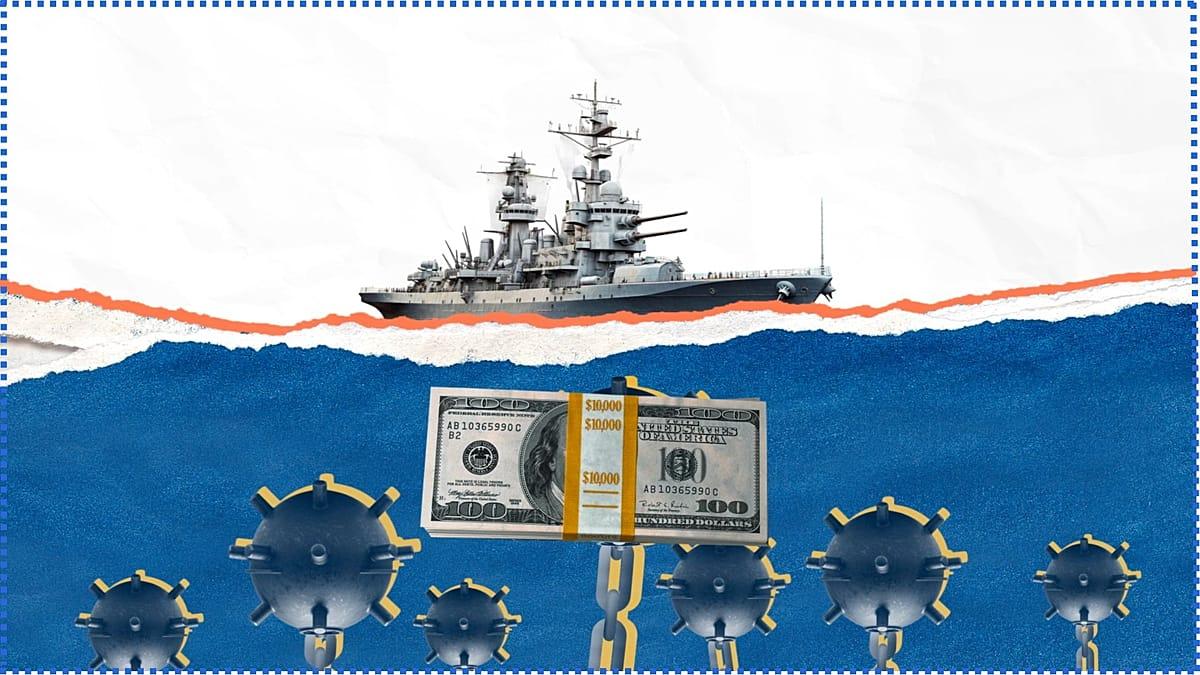
Iran Threatens Ships in Strait of Hormuz With Naval Mines and Suicide Drones
10 sources compared
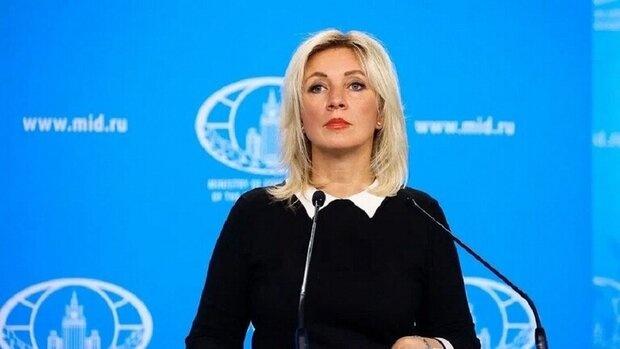
Maria Zakharova Says Russia Will Help Iran And U.S. Implement Enriched Uranium Agreements
20 sources compared