Gaza Genocide27 September, 20252 min read
Trump Unveils 21-Point Gaza Peace Plan Demanding Hostage Release Within 48 Hours
Trump unveiled a 21-point Gaza peace plan demanding hostage release within 48 hours. The plan proposes phased Israeli troop withdrawals and interim governance excluding Hamas.

20 outlets told this the same way.
Outlets did split on Israel Marks Oct. 7 Anniversary With Strikes on Gaza, Netanyahu Faces Election After Nova Tribute →
Trump's Gaza Peace Proposal
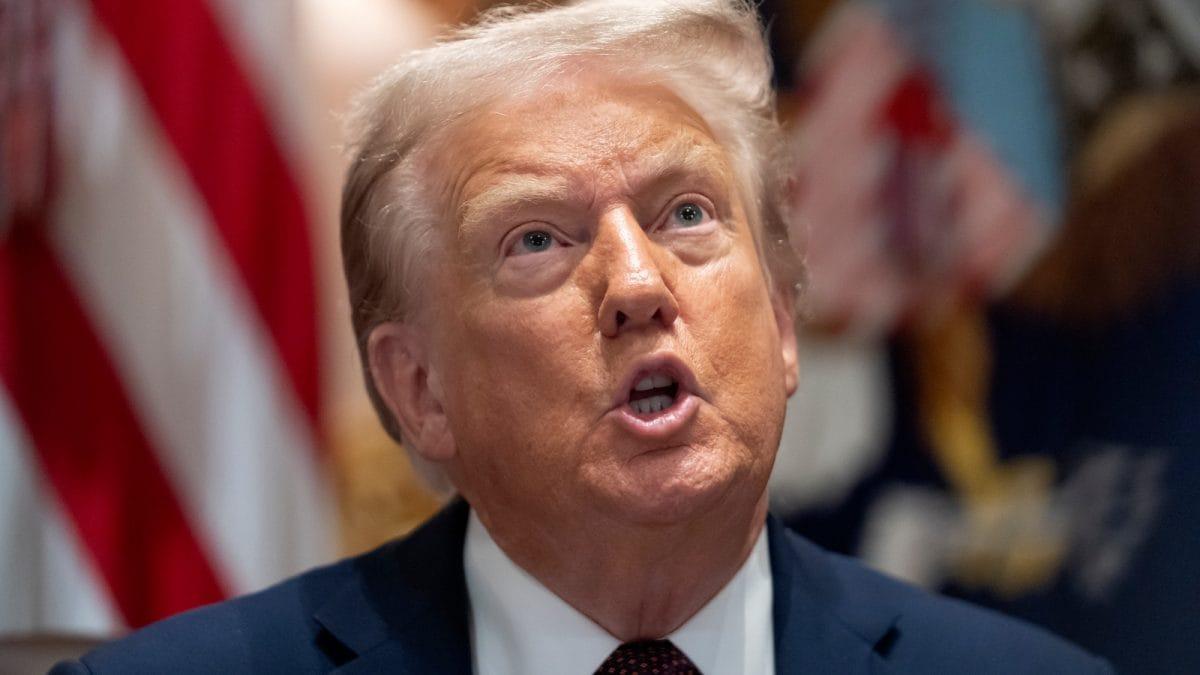
Former U.S. President Donald Trump has introduced a 21-point peace plan aimed at ending the Gaza genocide and securing the release of hostages within 48 hours.
“The plan aims to end violence, secure hostage releases, enable humanitarian aid, rebuild Gaza, and establish a pathway toward long-term stability and eventual Palestinian statehood.”
The plan, presented at the United Nations General Assembly, includes a ceasefire, phased Israeli troop withdrawals, and a temporary governance structure for Gaza that excludes Hamas.
Trump has engaged with leaders from several Muslim-majority countries, expressing optimism about reaching a deal.
The plan also calls for an international stabilization force to oversee Gaza's governance and reconstruction, with Arab and Muslim states expected to contribute troops.
Trump has emphasized that there will be no forced displacement of Gaza's residents, a significant shift from his earlier statements.
Reactions to Peace Plan
The peace plan has been met with mixed reactions. Israeli Prime Minister Benjamin Netanyahu remains committed to military operations until Hamas is destroyed and opposes the creation of a Palestinian state. Some far-right Israeli cabinet members have threatened to annex the West Bank, further complicating peace efforts.
Meanwhile, Trump has opposed Israeli annexation plans, calling them a regional red line. The plan's success hinges on cooperation from both Israeli and Palestinian leaders, as well as international support.
Gaza Aid and Governance Plan
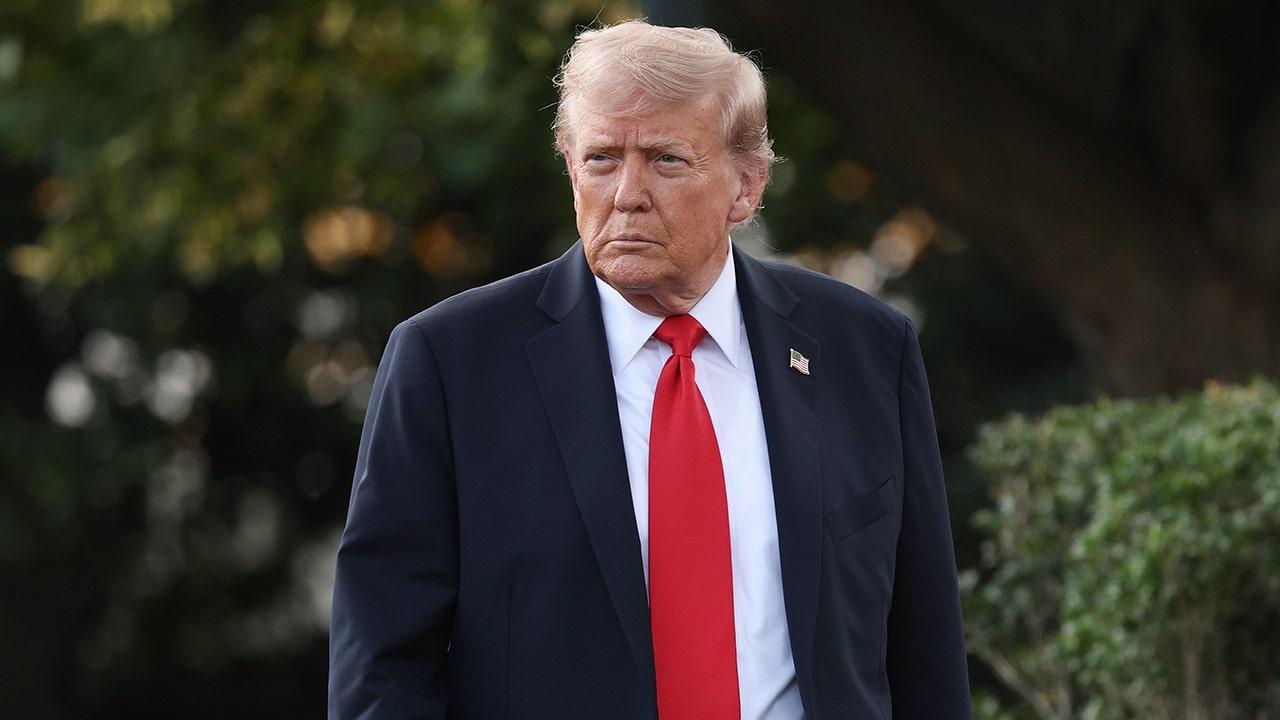
The humanitarian aspect of the plan includes mass aid delivery through neutral organizations and improved freedom of movement for Gaza residents. The plan envisions economic development through a special economic zone, aiming to address the root causes of the Gaza genocide.
“The proposal combines security, political, humanitarian, and economic measures to address the conflict’s root causes and aftermath.”
However, the plan's feasibility is questioned due to the ongoing violence and political tensions. The Palestinian Authority is expected to play a significant role in Gaza's governance, though its relationship with Hamas remains strained.
Global Responses to Peace Plan
International reactions to the plan vary, with some countries supporting the initiative while others remain skeptical. Germany has expressed support, urging acceptance by both sides. France, the UK, and Canada have recognized Palestine as a state, complicating diplomatic efforts.
The UN and EU emphasize Palestinian rights and the importance of a two-state solution. The plan's success depends on broad international cooperation and the willingness of regional actors to contribute to peace efforts.