Technology and Science08 January, 20262 min read
Trump Withdraws U.S. From 66 International Organizations, Including UN Climate and Population Agencies
This article is an automated aggregation of coverage from news outlets. Our editorials offer in-depth analysis curated by the NewsCord team.
President Trump ordered U.S. withdrawal from 66 international organizations and treaties. United States exits the UNFCCC climate treaty and UN climate science body IPCC.

37 outlets told this the same way.
U.S. exits international organizations
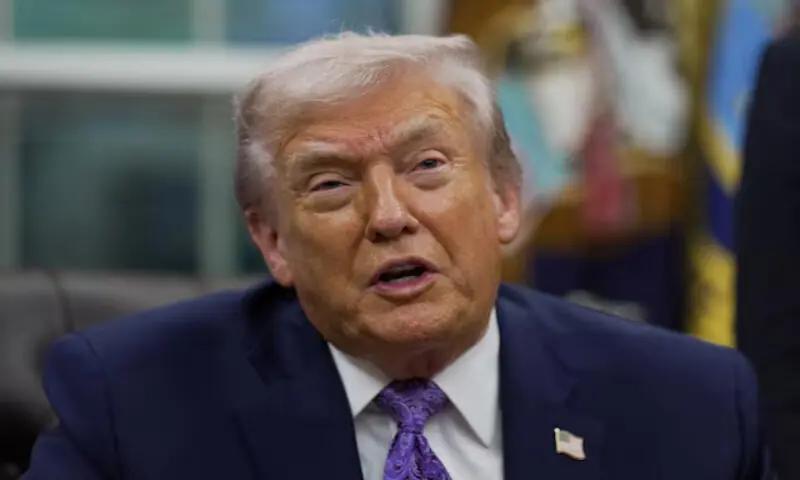
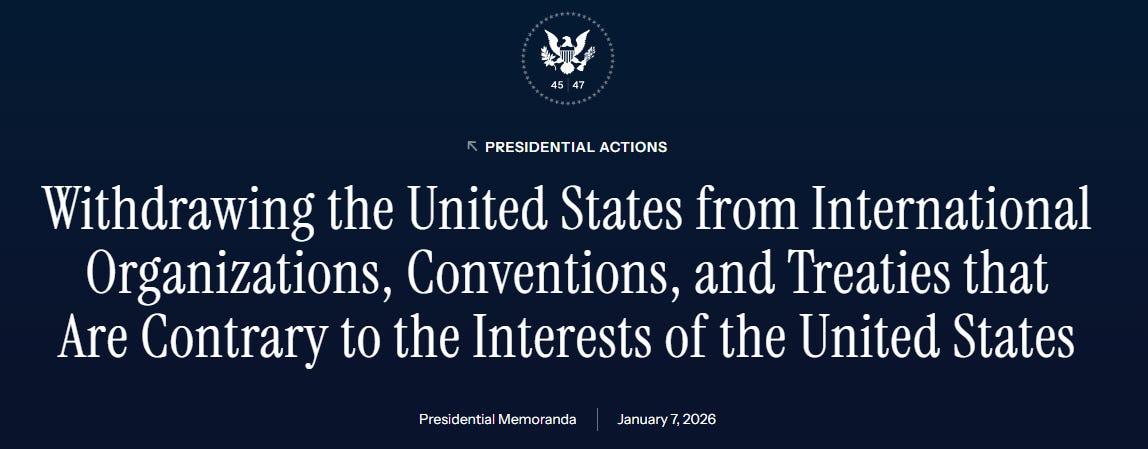
President Donald Trump on Jan. 7, 2026 issued a presidential memorandum ordering the United States to withdraw from 66 international organizations.
“The Trump administration has signed an executive order to suspend U.S. support for 66 international organizations — including many U.N.-linked agencies and several non-U.N. bodies — saying they promote ‘woke’ agendas or are redundant or mismanaged, part of a broader retreat from multilateral engagement that has included actions against WHO, UNRWA, the U.N. Human Rights Council and UNESCO.”
The memorandum identified 35 non‑U.N. bodies and 31 U.N. entities.
It directed agencies to end participation and, where legally permissible, funding.
An interagency review concluded continued involvement was contrary to the interests of the United States.
The White House framed the action as part of a broader "America First" rollback of multilateral engagement that follows earlier exits from the WHO, UNESCO and the Paris framework.
The administration said it will continue to engage selectively where strategic value remains.
U.S. withdrawal targets
The list singles out a range of climate, health and development bodies.
Notable climate-related targets reported by multiple outlets include the U.N. Framework Convention on Climate Change (UNFCCC) and the Intergovernmental Panel on Climate Change (IPCC).
The U.S. also plans to withdraw from population and gender agencies such as the U.N. Population Fund (UNFPA) and UN Women, along with specialized technical bodies from the International Renewable Energy Agency to the International Solar Alliance.
Some reports note the White House list misclassified certain bodies (for example, listing the IPCC as a non-UN entity).
White House justification for retreat
The White House said a review found many international bodies redundant, mismanaged, wasteful, or captured by actors pursuing agendas the administration says undermine U.S. sovereignty and prosperity.
“The memorandum stresses it does not withdraw the U.S. from the United Nations itself, does not create enforceable private rights, and does not change the statutory authority of federal agencies or the Office of Management and Budget; withdrawals from UN‑affiliated entities are to cease participation or funding only ‘to the extent permitted by law.’”
Administration officials framed the retreat as protecting American sovereignty and resisting 'globalist' or 'radical' agendas, while some outlets and officials said the policy would still allow selective engagement where U.S. interests align.
Reactions to U.N. exit
Critics and experts warned of practical and political fallout. Climate and science groups said exiting U.N. climate mechanisms risks ceding influence and slowing emissions progress. Humanitarian and development actors warned of program cuts and staffing losses at U.N. agencies already hit by earlier U.S. funding reductions.
Policy analysts described the stance as a transactional, unilateralist shift in U.S. foreign policy. Commentators cited names such as Gina McCarthy, Daniel Forti and David Widawsky to underscore those warnings.

Withdrawal memorandum implications
Operationally, the memorandum leaves significant legal and procedural questions. For U.N. entities, the directive defines withdrawal as ending participation or funding "to the extent permitted by law," and the State Department said further guidance and a Federal Register notice would follow.
“The memorandum stresses it does not withdraw the U.S. from the United Nations itself, does not create enforceable private rights, and does not change the statutory authority of federal agencies or the Office of Management and Budget; withdrawals from UN‑affiliated entities are to cease participation or funding only ‘to the extent permitted by law.’”
Several outlets flagged potential legal challenges because U.S. law and the Constitution provide unclear paths for unilateral treaty withdrawal. The U.N. had not immediately publicly responded in some reports, and the State Department indicated reviews are ongoing, suggesting further changes could follow.