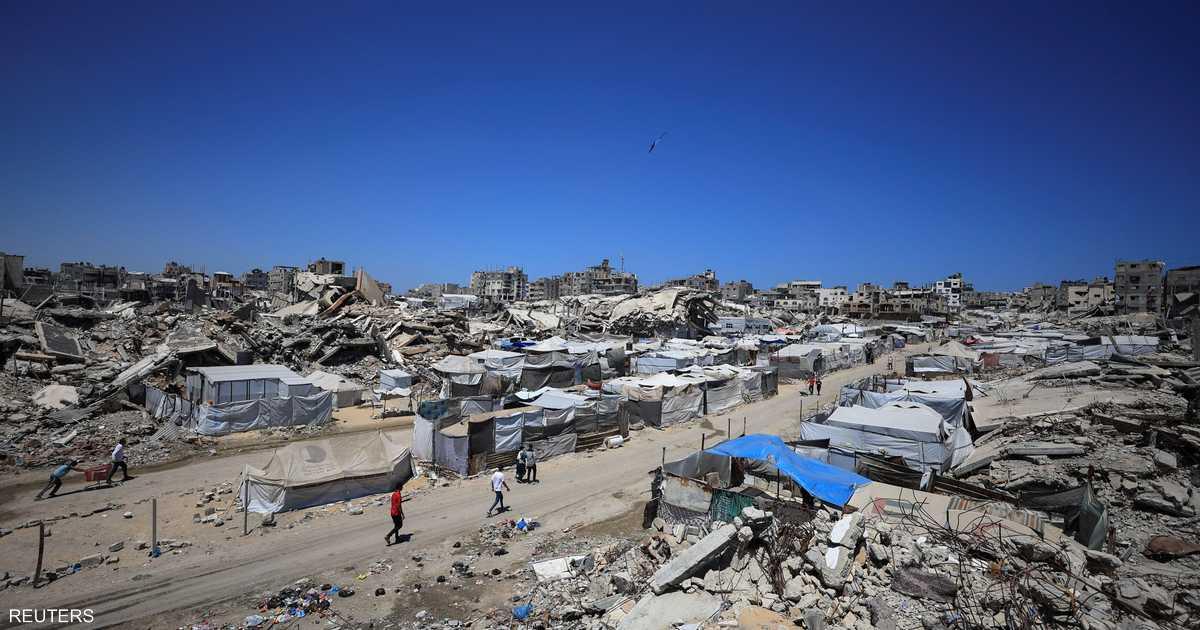
Full story
Peace plan stalls
Donald Trump’s Gaza peace plan entered a second phase that has “ground to a halt,” with the United States announcing on January 14 the next stage of a 20-point roadmap aimed at demilitarizing Hamas and reconstructing the devastated enclave.
Le Monde.fr says that since February 28, when Israel and the US launched their joint offensive against Iran, the two allies have concentrated their military power on the Islamic Republic, shifting international attention to a regional conflict that has engulfed the Gulf.

The same report ties the regional escalation to Hezbollah’s March 2 attack on Israel in retaliation for the February 28 assassination of supreme leader Ali Khamenei in Tehran, and it notes that on October 10, 2025, a ceasefire agreement brokered by Trump and endorsed by United Nations Security Council Resolution 2803 came into effect.
Le Monde.fr adds that since then, “more than 660 Palestinians have been killed by the Israeli army,” while on the Israeli side “five soldiers have been killed,” according to the military.
Against that backdrop, the Guardian reports that the Board of Peace’s recovery blueprint has shrunk to a small pilot project in the south of the strip, with a temporary camp for a “tiny fraction of Gaza’s 2 million displaced people.”
Kushner, donors, and disputes
As the Gaza reconstruction effort remains tied to Trump’s Board of Peace, Euronews reports that the European Union does not back the Board of Peace, yet “all parties seeking to operate in Gaza find themselves, one way or another, compelled to deal with Kushner.”
Euronews says Jared Kushner, the son-in-law of President Donald Trump, joined a Palestine Donor Group meeting via video link and that his remarks focused on highlighting the American role and stressing that “disarming Hamas is the first essential step to begin the recovery in the Gaza Strip.”
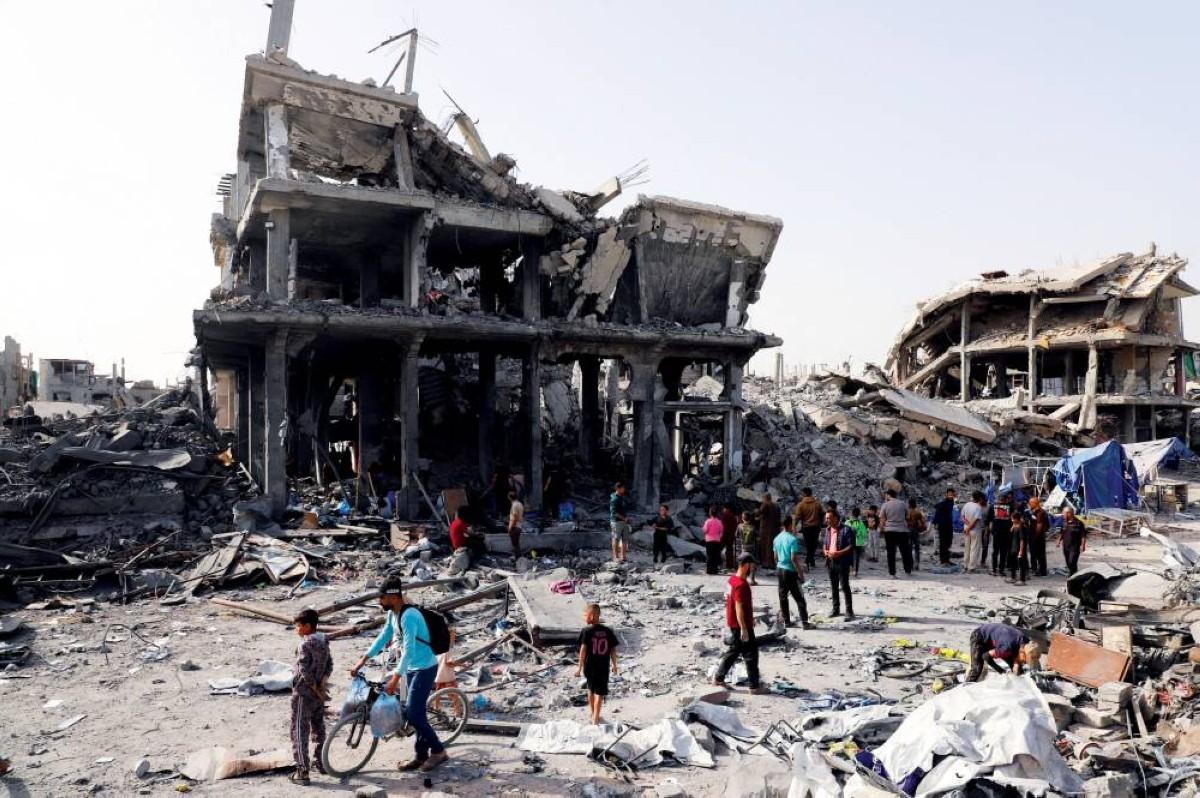
The same Euronews report says the donor group launched the “Team Gaza Initiative,” with financial contributions totaling 883.6 million euros for “early recovery measures” for Gaza’s civilian population.
In parallel, The Guardian describes how the Board of Peace’s pilot scheme is not expected to take shape before the end of the year and says preparatory work near Rafah has not begun, while satellite images show “disturbed earth but no new structures.”
The Guardian also quotes a Jerusalem diplomat warning that the Board of Peace has “no choice but to make the most of very limited progress,” because an admission of failure would open the way for “wholesale population transfer and colonisation.”
Reconstruction hinges on disarmament
The Guardian reports that Israel has routinely violated the Trump-brokered ceasefire since it was declared last October, blocked reconstruction work, and severely limited flows of humanitarian aid into Gaza, while Israeli forces have repeatedly moved forward from the ceasefire line.
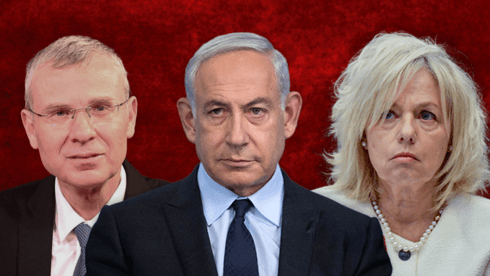
“Netanyahu defies Trump's plan: No reconstruction in Gaza without disarming it”
It says the Israeli army now directly occupies more than 60% of the territory and has created a buffer zone beyond that, and it warns that a return to full-scale war would probably sweep away even the Board of Peace’s modest pilot plan.
An Anadolu Ajansı report attributes to Benjamin Netanyahu a hard condition for any rebuilding, quoting him: “There will be no reconstruction in Gaza without disarming the Strip.”
Anadolu Ajansı also frames the second phase as calling for a broader withdrawal of the Israeli army from the Gaza Strip, which “still controls more than 70 percent of its area,” alongside reconstruction in parallel with disarmament of Palestinian factions.
In the same dispute over what must change first, The Guardian says Hamas took part in negotiations in Cairo over disarmament mechanisms, but adds that a Palestinian source told Haaretz: “As long as Israel doesn’t commit to a gradual withdrawal from the Gaza Strip and to changing the reality there, there’s no basis for talks.”