USA12 August, 20262 min read
Trump’s Leverage Questioned After Netanyahu Rejects Gaza Peace Council’s 15-Point Plan
This article is an automated aggregation of coverage from news outlets. Our editorials offer in-depth analysis curated by the NewsCord team.
Netanyahu rejected Gaza plan, prompting questions about Trump's leverage. U.S. allies say Trump's leverage weakened amid Gaza and Iran disagreements.
Netanyahu rejects Gaza plan
U.S. allies questioned Donald Trump’s leverage in the Middle East after Israeli Prime Minister Benjamin Netanyahu rejected the Peace Council’s 15-point plan for Gaza, a Politico report said on Wednesday. The i24NEWS report said an Arab diplomat told Politico that “The rejection of the peace plan by Netanyahu carries significant implications for long-term regional stability and for Israel’s security,” and added that President Trump “remains the only figure with the potential to influence the situation.”
i24NEWS also reported that a source familiar with the Peace Council said its efforts were continuing “at an accelerated pace” with Israeli cooperation, pointing to a logistical support area under construction expected to support hundreds of troops for Gaza. In the same dispute, Netanyahu rejected the 15-point document, saying Israel will not agree to an Israeli withdrawal from Gaza before Hamas is genuinely disarmed, while a Trump administration official told Politico the rejection is primarily political and aimed at a domestic audience ahead of Israeli elections.
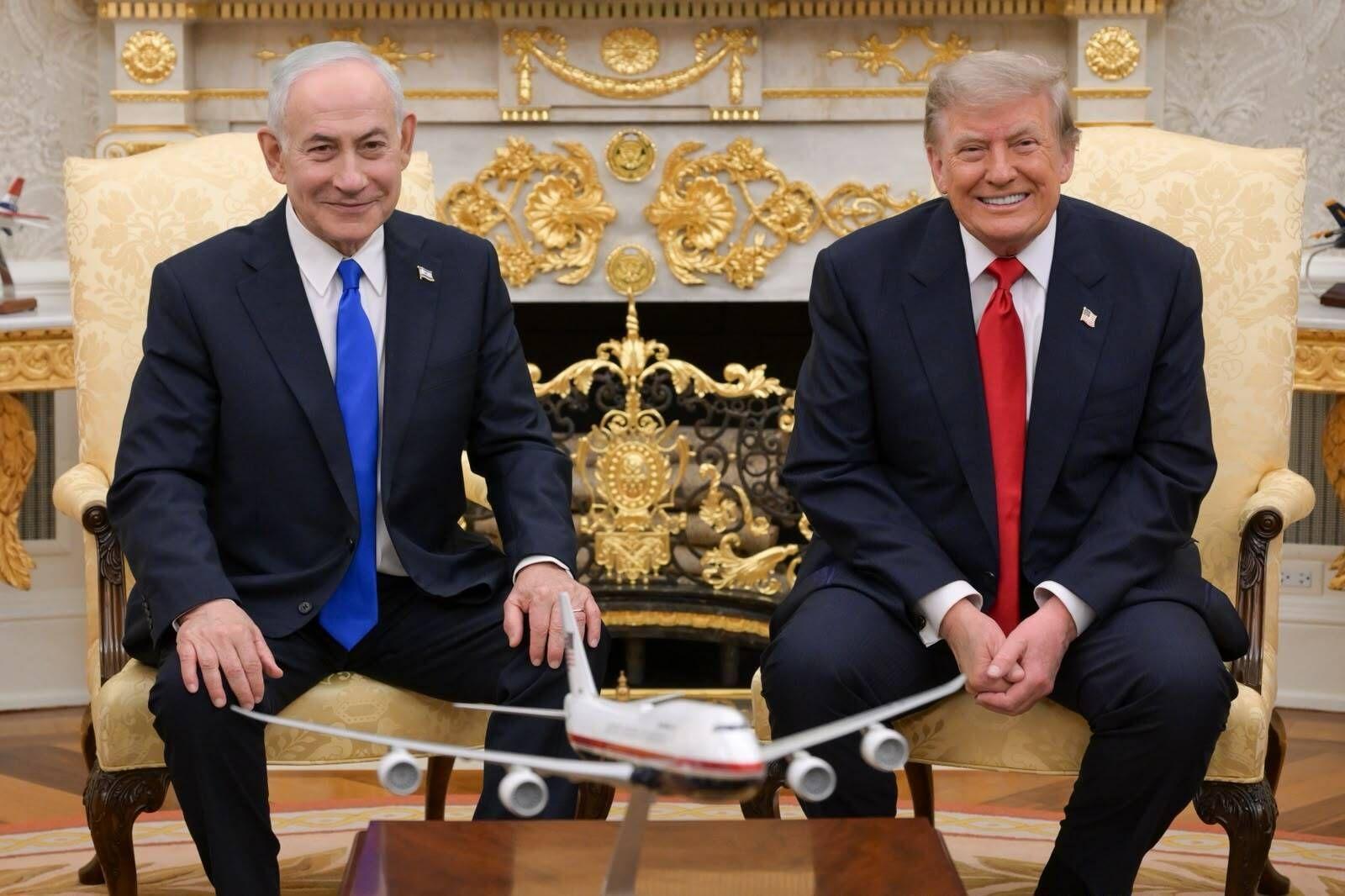
Leverage debate and quotes
i24NEWS said diplomats told Politico there is growing concern that Washington either lacks the leverage needed to advance its objectives in Gaza or is unwilling to use it, with implications beyond Gaza that could complicate U.S. efforts to advance negotiations elsewhere in the region. A Western diplomat familiar with Middle East policy offered a more critical assessment to Politico, saying Netanyahu’s rejection indicated that the US strategy toward Israel may be failing.
The Al-Manar TV Lebanon account framed the same dispute as elections dividing two allies, citing Politico’s view that Netanyahu’s rejection of the US-backed plan is beginning to alarm Washington’s allies over the Trump administration’s ability to influence “Israel” and, more broadly, the Middle East. Al-Manar also quoted Netanyahu’s message about holding positions even against “best friends,” saying he told the Israeli occupation entity it knows how to stand its ground even against its “best friends” when necessary, a line presented as aimed at Trump after the plan was presented as a historic breakthrough.
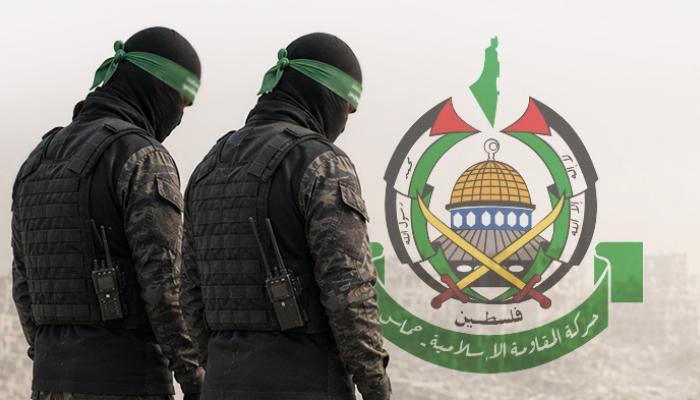
Roadmap, elections, and fallout
The i24NEWS report said the Peace Council roadmap is “between the Peace Council and Hamas,” while separate discussions are being held with Israel, and that Israel is not being asked to take irreversible steps or rely solely on assurances before verified developments occur on the ground. It also said the White House did not enter into an open confrontation with Netanyahu after his statements, and that a Trump administration official told Politico the White House believes Netanyahu’s rejection is primarily political ahead of Israeli elections.
Separately, Al-Manar TV Lebanon described how domestic electoral pressures in both countries are pulling Trump and Netanyahu in different directions, with Trump seeking foreign-policy progress ahead of the November midterms while Netanyahu aims to boost his prospects in Israel’s October elections. Al-Manar further linked the stakes to Gaza ceasefire implementation, saying the dispute over the mechanism for disarming and withdrawing could leave remaining elements of the ceasefire agreement in limbo, including the deployment of international forces and the start of wide reconstruction efforts for the devastated strip.