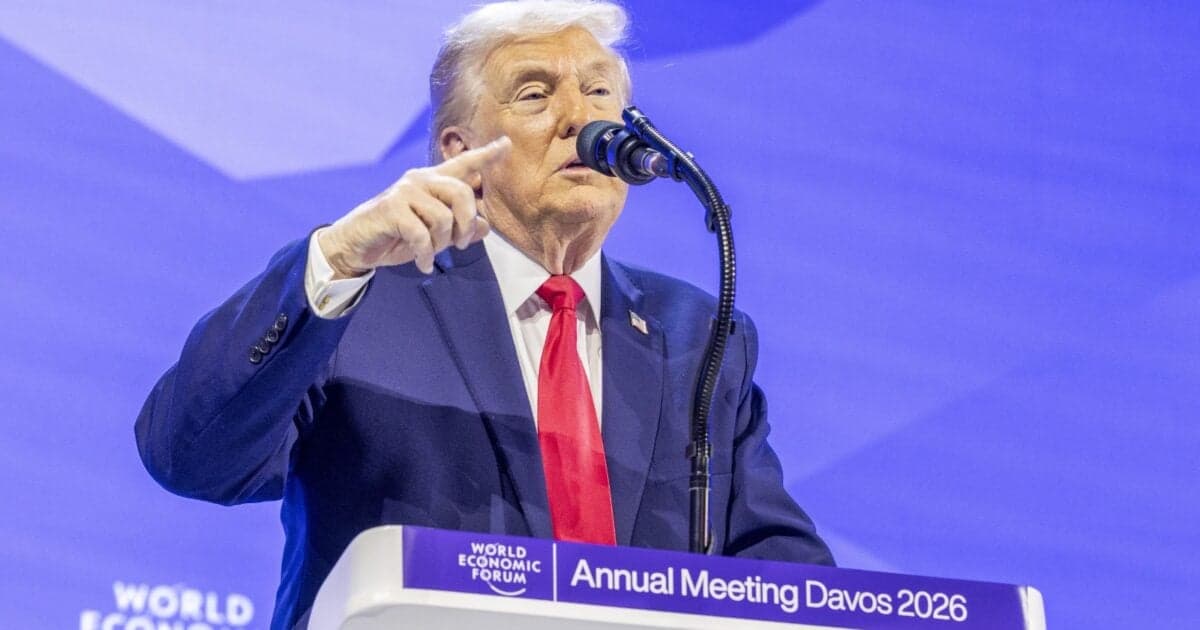
Trump's Mideast moves empower Xi ahead of planned summit.
Key Takeaways
- US distraction from Middle East war boosts China's standing as a reliable global power.
- Beijing could extract concessions as the US is preoccupied with the Middle East war.
- Washington's distraction may shape Xi-Trump talks during the planned summit.
Geopolitical Strategic Shift
President Donald Trump's military intervention in the Middle East has significantly weakened his negotiating position ahead of a planned summit with Chinese President Xi Jinping.
“The US-Israeli war on Iran shows divergent implications for China, as analysts say this conflict offers Beijing a chance to present itself as a more reliable great power on the international stage, while the United States is preoccupied with the war's fallout”
Trump's decision to join Israel in strikes on Iran has plunged the region into violence, pushed energy prices to years-long highs, and caused Iran to effectively close the Strait of Hormuz.

This vital artery for global oil and gas shipments has been disrupted, creating global supply shortages and economic instability.
The entanglement has forced Trump to delay his planned Beijing visit from the end of March to 'five or six weeks' later.
Trump struggles to define how the intervention will end and faces reluctance from traditional allies to back his actions.
The resulting geopolitical shift has created multiple leverage points for China that could significantly impact the upcoming summit negotiations.
China's Enhanced Leverage
China has emerged with enhanced strategic leverage in the US-China relationship due to the Middle East crisis.
This advantage comes particularly through China's control over critical resources and transportation routes.
Beijing has ignored Trump's calls for help in reopening the Strait of Hormuz.
China maintains tight control over rare earth exports essential for US military production including drones, jet fighters, missile guidance systems, and radar equipment.
This dominance gives China 'an indirect influence on the United States' defense industrial capabilities' according to analysts.
Experts note that 'in theory, (China) could certainly disable new weapons production' due to its rare earth dominance.
The absence of announcements on Hormuz or rare earths suggests 'no concrete results were made during the trade talks' in Paris.
This indicates China's willingness to use this leverage strategically in negotiations.
Economic Leverage Dimensions
The economic dimensions of the Middle East conflict have created additional advantages for China in its trade negotiations with the United States.
“The US-Israeli war on Iran shows divergent implications for China, as analysts say this conflict offers Beijing a chance to present itself as a more reliable great power on the international stage, while the United States is preoccupied with the war's fallout”
China is believed to be the main buyer of sanctioned Iranian oil, making it Tehran's 'main economic lifeline'.
This means any potential easing of US sanctions on Iranian oil could benefit China directly.
The Trump administration's consideration of easing certain sanctions targeting Iranian oil to curb rising prices represents a potential economic boon for Beijing.
This economic leverage is compounded by China's position as the world's largest consumer of energy.
China can influence global energy markets through its import decisions.
The conflict has created inflationary pressures that could force US policy adjustments favorable to Chinese economic interests.
China's industrial sector remains relatively resilient compared to potential economic impacts on the US.
Domestic Political Consequences
Trump's Middle East entanglement has significant domestic political consequences that further strengthen China's negotiating position.
The conflict comes at a time when 'a majority of Americans already oppose military action in the Middle East,' creating political vulnerability for Trump.
The Republican party faces midterm elections where agricultural exports to China are crucial.
Trump and his negotiators 'want China to buy US agricultural products, which is important to the midterm elections for the Republicans.'
This creates a situation where Trump may be more willing to make concessions on trade issues to stabilize relations with China.
The timing of the summit postponement works to China's advantage.
It allows Beijing to observe how the conflict develops in the Middle East and adjust its negotiating strategy accordingly.
Trump faces mounting pressure to deliver diplomatic results while managing multiple crises simultaneously.
Summit Postponement Context
The postponed summit between Xi and Trump was originally scheduled for March 31 to April 2 but now likely to occur at the end of April.
“The US-Israeli war on Iran shows divergent implications for China, as analysts say this conflict offers Beijing a chance to present itself as a more reliable great power on the international stage, while the United States is preoccupied with the war's fallout”
This summit takes place in a context where both sides recognize the temporary nature of China's strategic advantage.
While China currently has significant leverage, Beijing understands that 'a prolonged war could negatively impact its economic interests'.
This is especially regarding 'the stability of energy markets and global trade.'
The conflict also poses challenges to China's Belt and Road Initiative.
'Vital parts of this project pass through areas affected by tensions' and are 'especially important for moving Chinese goods to key markets'.
These markets include the Gulf, North Africa, and Europe.
Despite these shared concerns, analysts suggest that 'any chances of major breakthroughs on trade seem limited'.
This is because 'bilateral trust is low after years of disputes over trade, technology and rights.'
The summit is expected to focus primarily on formalizing a truce on tariffs rather than achieving broader strategic changes.
More on Iran

Iranian missiles strike Dimona and Arad, injuring over 100.
47 sources compared
Israel and U.S. Strike Natanz Nuclear Facility Again; Iran Blames Attack
69 sources compared

Iran Attacks Diego Garcia with Long-Range Missiles, Targeting U.S.-UK Base
82 sources compared
Trump Defends Iran War by Citing Pearl Harbor
12 sources compared