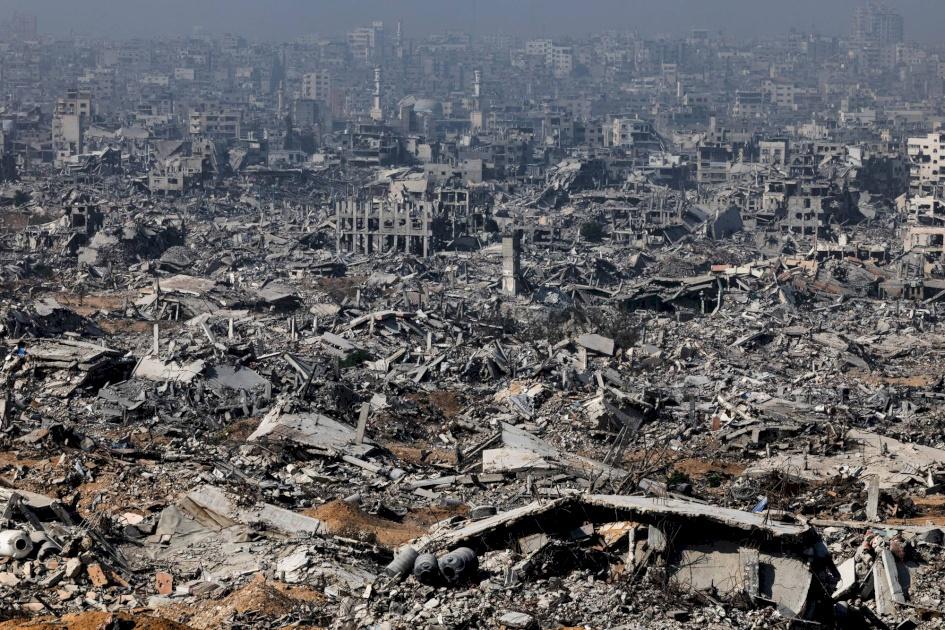
Trump’s Peace Council Plans Pilot Humanitarian Zone In Southern Gaza Strip
Key Takeaways
- Peace Council plans pilot humanitarian zone in Rafah to house tens of thousands.
- Zone could start governance by the Palestinian technocratic committee during Gaza's post-war transition.
- Civilians would undergo security screening and be vetted before entry.
Pilot zone in Rafah
A spokesperson for U.S. President Donald Trump’s Peace Council said the council is planning a pilot humanitarian zone in the southern Gaza Strip, with the project aimed at accommodating tens of thousands of Palestinian civilians who would undergo security vetting.
“The Peace Council of U”
The plan, described by a council official as a “launching point” for the National Committee for the Administration of Gaza (NCAG), would be secured by multinational troops from the International Stabilisation Force (ISF) and discussed as a starting point for Gaza’s post-war civilian governance.
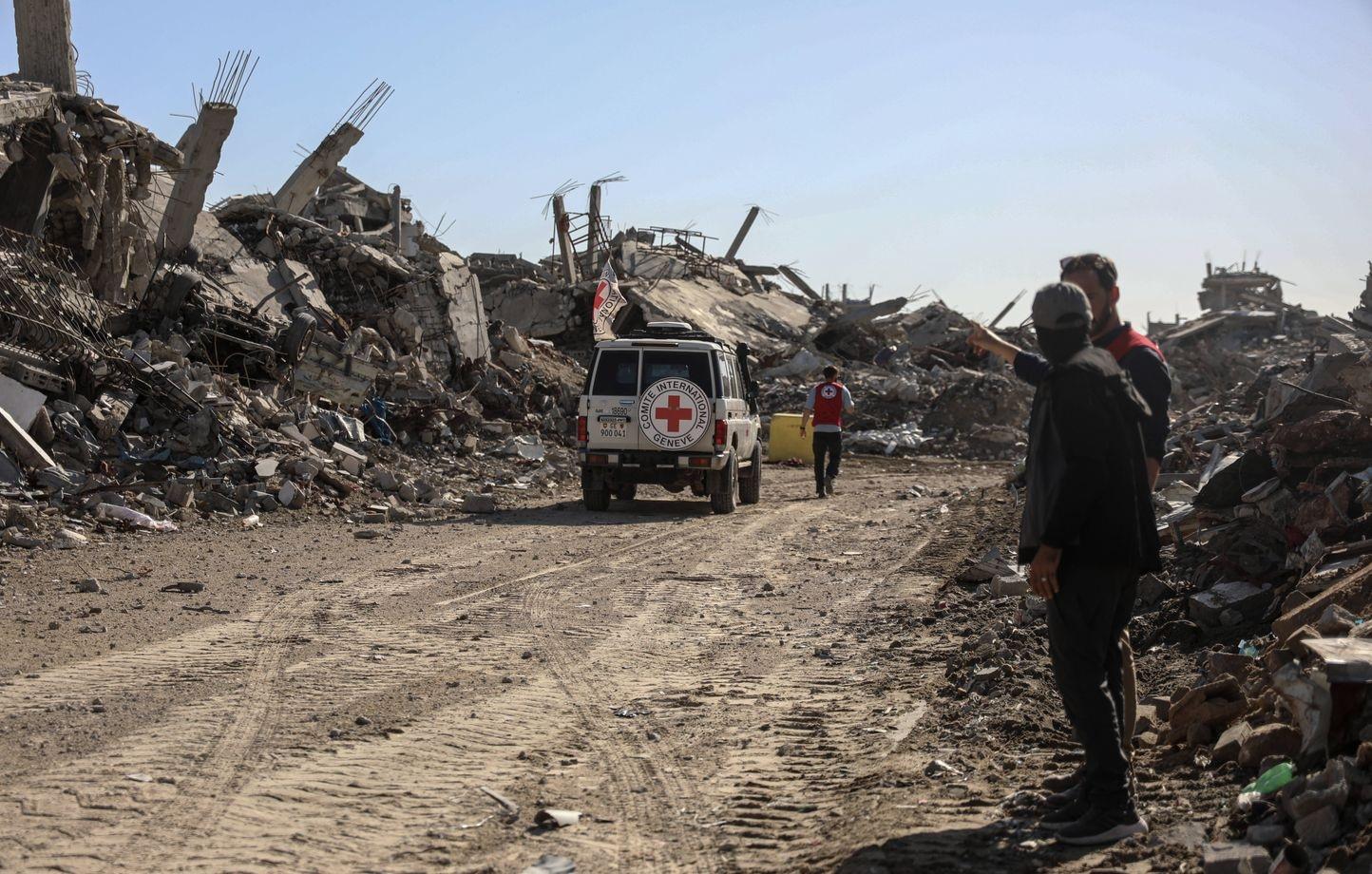
The council official said the area could allow tens of thousands to “voluntarily relocate to this area if they wish,” while the committee would manage administrative affairs.
The proposal remains in the planning stage, with the official saying the exact site has not yet been finalised and that “no construction has not yet begun” in the proposed zone.
The council’s concept is tied to stalled implementation of the broader U.S.-backed ceasefire framework, with the NCAG “remains in Cairo” and Israeli forces controlling “more than 60% of the Gaza Strip.”
Screening, access, and disputes
Multiple reports describe the zone as a controlled perimeter where the NCAG would manage access control and screening mechanisms, while movement would remain open for unarmed civilians.
A board official told AFP that “Movement in and out will remain free for all unarmed civilians,” framing the approach as allowing civilians to enter and exit the sector while armed individuals are excluded.

The same AFP-based reporting said diplomats and NGO officials working in Gaza warned that grouping civilians into demarcated areas subject to access controls could amount to forced displacement and restrict freedom of movement.
In parallel, a council official said the security screening mechanism would ensure that “armed individuals or fighters do not enter these safe humanitarian zones,” and that the mission “will not be performed by the IDF (Israeli military).”
The Israeli military response, as quoted by AFP, was that “The matter is known and is currently under review,” while the proposal continues to face legal and humanitarian-law reservations.
What’s at stake next
The proposed pilot zone is presented as part of a transition away from Hamas rule, with the NCAG intended to assume day-to-day governance during Gaza’s transitional phase out of war under Trump’s 20-point plan.
News18 reported that Hamas announced the official dissolution of the body that had governed Gaza for nearly two decades, clearing a legal and administrative pathway for the technocratic committee to assume control.
The plan also places the ISF in a role described as a “physical buffer” between Palestinian civilians and Israeli forces, while the Israeli military is said to be under review regarding any involvement.
At the same time, Reuters-linked reporting said the U.S. move comes as the US seeks to revitalize its peace initiative for the territory despite progress in the second phase of the ceasefire agreement with Hamas, with the Gaza Strip continuing to suffer “a dire humanitarian situation.”
The same Reuters-linked account said the aid program run by the Gaza Humanitarian Foundation was suspended after criticism from the United Nations and other international organizations due to the killing of Palestinians while trying to reach aid distribution centers, leaving the new zone proposal as a contested alternative mechanism.
More on Gaza Genocide
Knesset Approves First Reading Of Likud Bill For Politically Appointed October 7 Inquiry Commission
11 sources compared

Israel Announces Rome Talks With Lebanon July 15-16, Italy Welcomes Dialogue
11 sources compared

Hamas Dissolves Gaza Government Emergency Committee, Prepares Power Transfer to UN-Backed Technical Committee
15 sources compared
Benjamin Netanyahu Opposes Trump’s F-35 Sale To Turkey, Warns Of Regional Power Shift
13 sources compared