UAE Says Iran Launched 12 Ballistic Missiles, Three Cruise Missiles, Four Drones at Fujairah
Key Takeaways
- UAE reports Iran launched 12 ballistic missiles, 3 cruise missiles, 4 drones.
- A fire erupted at Fujairah Oil Industry Zone after the attack.
- Air defences intercepted missiles and drones across the UAE amid ongoing Iranian attacks.
Fujairah hit as missiles fly
On Monday, the United Arab Emirates reported renewed Iranian attacks that it said represented a “dangerous escalation” and an “unacceptable transgression,” while its air defences engaged incoming missiles and drones and a fire broke out at Fujairah’s oil infrastructure.
“The United Arab Emirates has said its air defences intercepted ballistic and cruise missiles fired from Iran, while a fire was reported at an oil facility in Fujairah after a suspected drone attack”
The UAE Ministry of Defence said its air defence systems engaged 12 ballistic missiles, three cruise missiles and four drones, all launched from Iran, and it said residents should remain in a safe location and follow official channels for warnings and updates.

The UAE’s Ministry of Foreign Affairs said the attacks were an “unacceptable transgression” and violated international law and the UN Charter, and it reserved the right to respond.
In Fujairah, the Fujairah Media Office said three people were injured in a fire at the Fujairah Oil Industry Zone after a drone attack, and it said the injured were Indian citizens taken to hospital.
The BBC reported that the UAE also said a fire broke out at the oil port of Fujairah after an Iranian attack, and it placed the incident in the context of the Strait of Hormuz remaining largely blocked since February.
The National Emergency Crisis and Disaster Management Authority issued messages from 5pm onwards, including: “Air defence systems are currently responding to a missile threat. Please remain in a safe location and follow official channels for warnings and updates,” Ncema said.
The National also reported that it was the first time such missile alerts had been issued since the early hours of a conditional ceasefire agreed between the US and Iran on April 8, and it described a daily barrage of missile and drone strikes from Iran following the outbreak of the war on February 28.
US moves to guide ships
As the UAE described Iranian attacks, the United States said it was acting to reopen the Strait of Hormuz and guide stranded commercial vessels through the largely closed waterway under what President Donald Trump called “Project Freedom.”
The BBC reported that Trump said the US struck seven Iranian “fast boats” in the Strait of Hormuz, while Washington sought to guide stranded ships out of the Gulf through the vital channel.

The BBC also said the UAE and South Korea both reported strikes on ships in the vital channel on Monday, and it reported that Maersk told the BBC that one of its US-flagged vessels had successfully exited the strait with US military protection under “Project Freedom.”
Trump said: “We've shot down seven small boats or, as they like to call them, 'fast' boats. It's all they have left.”
The US military said it used helicopters to attack the boats, while Iranian state media later disputed Trump’s announcement and the Tasnim news agency reported that two small cargo vessels had been hit instead, killing five civilians.
The National described the renewed attacks as following the start of a US operation to allow commercial vessels stranded in the Gulf to pass through the Strait of Hormuz under American military protection, and it said there were reports of attacks on several vessels in the area on Monday.
The BBC added that the Strait of Hormuz had remained largely blocked since the US and Israel launched air strikes on Iran in February, and it said Tehran responded by blocking the crucial waterway through which 20% of the world’s oil and liquefied natural gas usually passes.
Iran rejects military solution
Iranian officials and state media framed the confrontation as political rather than military, while also disputing claims about targeting and attacks.
“Skip to main content 19 hours ago - World Iran ceasefire in peril as UAE says it's under attack Dave Lawler, Barak Ravid email (opens in new window) sms (opens in new window) facebook (opens in new window) twitter (opens in new window) linkedin (opens in new window) bluesky (opens in new window) Add Axios as your preferred source to see more of our stories on Google”
The BBC quoted Iranian Foreign Minister Abbas Araghchi saying that events in the strait “make clear that there's no military solution to a political crisis,” and it reported that he added: “Project Freedom is Project Deadlock.”
In the UAE, the National and other outlets said the loud blasts heard in Dubai and Sharjah were the result of successful interceptions, while the UAE said it reserved the right to respond and accused Iran of a “terrorist attack.”
The National’s account quoted the UAE Foreign Ministry accusing Iran of a “terrorist attack” and saying targeting commercial navigation and using the Strait of Hormuz as a tool of pressure or economic blackmail constitutes acts of piracy by the Iranian [Islamic] Revolutionary Guard [Corps].
In parallel, the Jerusalem Post reported that Iranian state television later reported, citing a military official, that Iran had no premeditated plan to attack oil facilities in Fujairah.
The National and Qatar Tribune both included a senior Iranian military official’s claim on state TV that “Iran had no plans to target the UAE,” and the National described that claim as appearing difficult to reconcile with the confirmed strikes reported earlier in the day.
The BBC also reported that Iran called US claims “entirely false,” with its military saying it fired warning shots at a US warship, and it said the US military denied this.
Schools shift as alerts spread
Beyond the immediate missile and drone activity, the UAE also took steps affecting daily life as it reported repeated air defence operations and emergency alerts.
The News On AIR report said the UAE intercepts missiles and drones and that residents across the UAE received emergency alerts—described as the first since the ceasefire began—urging people to seek shelter and stay away from windows and open areas.

It said civil defence teams were deployed immediately to contain the blaze at the Fujairah Oil Industry Zone and that three Indian nationals were reported to have sustained moderate injuries and been taken to hospital.
The report also said the UAE’s Ministry of Defence confirmed that 12 Ballistic missiles, four drones and three cruise missiles were detected approaching the country and were intercepted yesterday.
It further stated that since the start of Iranian strikes on the UAE, air defences have engaged a cumulative total of 549 ballistic missiles, 29 cruise missiles, and 2260 unmanned aerial vehicles.
In response to the evolving security situation, the Ministry of Education announced that all nurseries, as well as public and private schools across the country, would shift to distance learning from Tuesday, May 5 through Friday, May 8.
The NPR report added that four missile alerts were issued Monday urging UAE residents to find shelter—the first such alerts since the ceasefire began nearly a month ago—and it said commercial planes bound for the UAE turned around midair.
Competing casualty and attack claims
Accounts of what happened in the Strait of Hormuz and around the UAE varied across outlets, especially on the number of boats hit and whether civilian deaths occurred.
The BBC said Trump claimed the US struck seven Iranian “fast boats,” and it reported that Iranian state media later disputed the announcement, with Tasnim reporting that two small cargo vessels had been hit instead, killing five civilians.

The National also described the UAE’s claims about air defences engaging 12 ballistic missiles, three cruise missiles and four drones, and it said the UAE Foreign Ministry accused Iran of a “terrorist attack” and called for an immediate halt to hostilities.
The CNBC account said Admiral Brad Cooper told reporters that American forces eliminated six small Iranian boats that were attempting to interfere with commercial shipping movements, while Tehran’s state media denied that its boats had been sunk.
The NPR report said the US military said it fired on Iranian forces and sank six small boats targeting civilian ships, and it described the UAE as coming under attack from Iran for the first time since a fragile ceasefire took hold in early April.
On the UAE side, the UAE and UKMTO accounts also differed in how they described the Fujairah fire, with the Jerusalem Post citing a fire in the engine room of a cargo ship 36 km north of Dubai.
In the immediate diplomatic and operational aftermath, the BBC reported that leaders condemned the attacks on UAE infrastructure, including French President Emmanuel Macron calling the strikes “unjustified and unacceptable,” and German Chancellor Friedrich Merz saying “Tehran must return to the negotiating table and stop holding the region and the world hostage.”
More on Iran
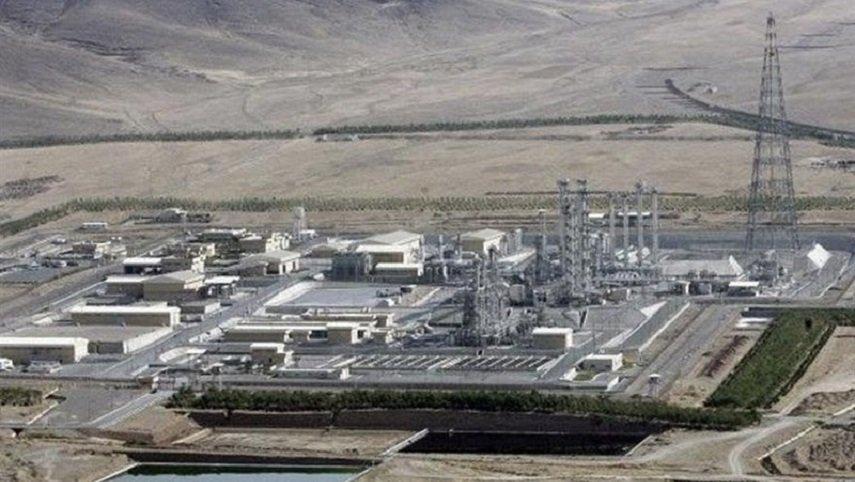
US Intelligence Says Strikes on Iran Have Not Slowed Nuclear Weapon Timeline
14 sources compared
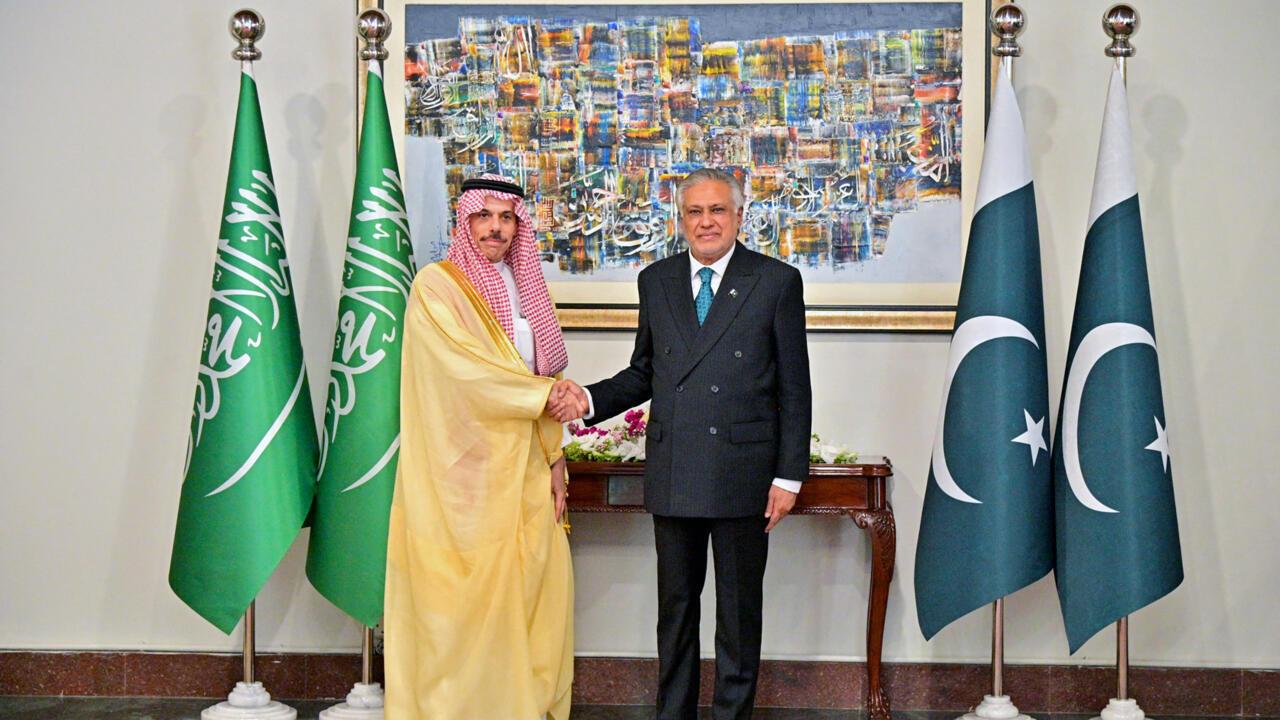
Iran Foreign Minister Abbas Araghchi Travels to Beijing for Talks With China
13 sources compared
UAE Accuses Iran of Missile And Drone Barrage That Injured Three Indians at Fujairah
35 sources compared

U.S. Sinks 7 Iranian Boats as Iran Launches Missiles and Drones at UAE
10 sources compared