
Uber Invests More Than $100 Million in Autonomous Vehicle Charging Stations Across the U.S. and Europe
Key Takeaways
- Uber will invest over $100 million to build charging stations.
- The move backs Uber's autonomous-vehicle ambitions and priority.
- Charging stations will operate across US, Europe, and key cities.
Uber’s charging push
Uber is investing more than $100 million to build out public fast-charging stations across the U.S. and Europe, framing the move as infrastructure for its autonomous-vehicle ambitions.
“Uber will invest $100 million to build out public fast-charging stations across the U”
TechCrunch describes Uber’s “assetmaxxing era,” citing the Financial Times’ calculation that Uber has committed more than $10 billion to buying autonomous vehicles and taking equity stakes in companies developing the tech, with about $2.5 billion in direct investments and $7.5 billion to be spent on buying robotaxis over the next few years.
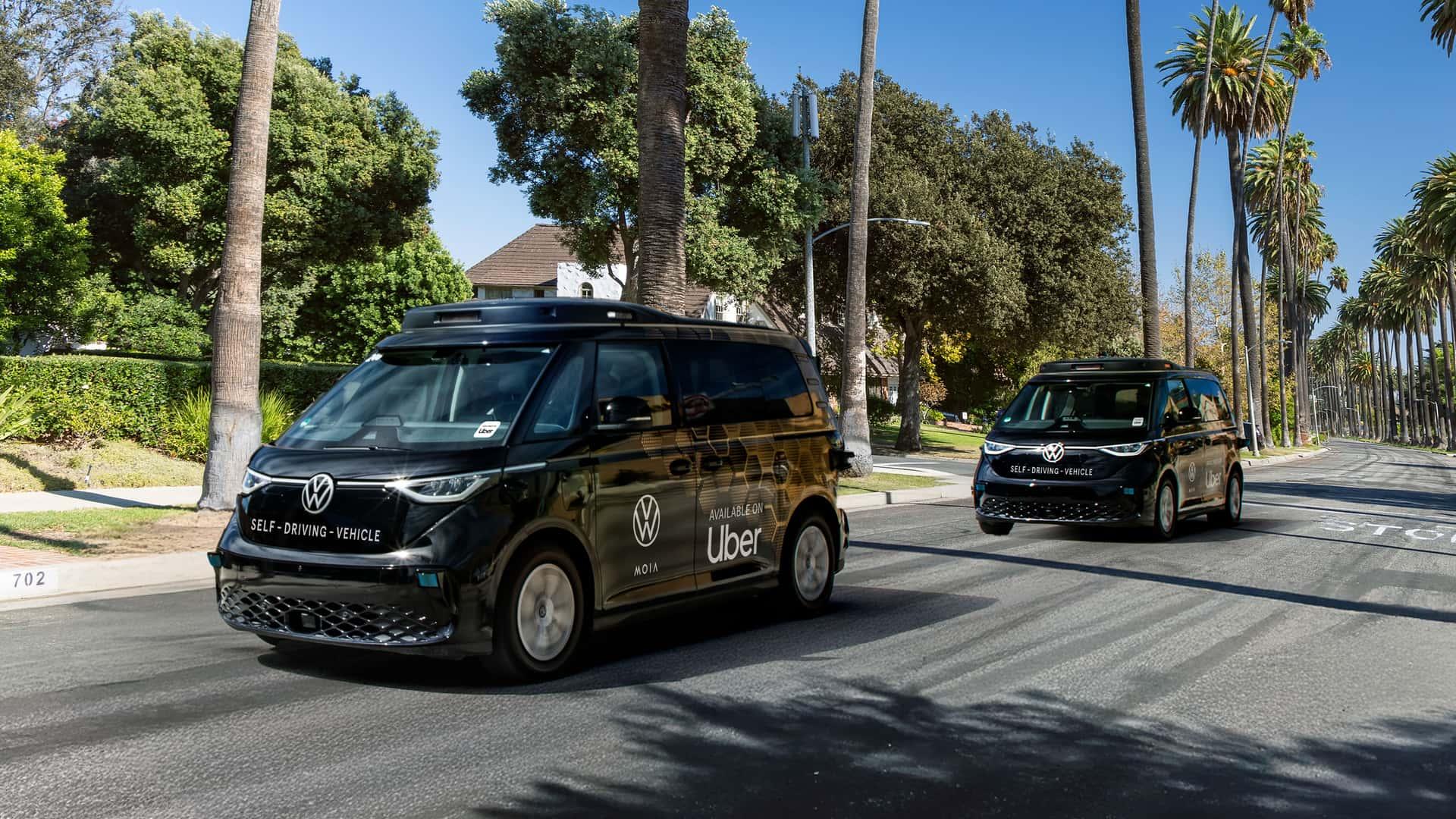
InsideEVs adds that Uber’s $100 million charging bet is “more than just about EVs,” and says the company will invest to provide “a backbone for its rapidly expanding autonomous vehicle (AV) ambitions.”
Obliginfos.fr similarly says Uber Technologies announced an investment of more than $100 million to develop autonomous-vehicle charging centers, with DC fast charging stations built at Uber Mobility fleet-management depots and at pit-stop locations in key cities.
The charging plan is tied to Uber’s broader operational footprint, since InsideEVs says the Uber-developed and managed sites will open first in the Bay Area, Los Angeles and Dallas, before expanding to other cities.
Obliginfos.fr also places the charging centers at “autonomous depots where Uber Mobility manages daily fleet operations,” and says the program is part of Uber’s policy to make autonomous taxis a strategic priority.
Together, the reporting portrays charging as a physical layer that supports Uber’s shift toward owning or leasing assets rather than only developing technology in-house.
Where chargers will go
Uber’s charging investment is being executed through partnerships with private charging networks and is planned as a geographically staged rollout.
InsideEVs says Uber plans to roll out roughly 1,000 DC fast-charging stations through a “patchwork of regional partnerships,” and it lists specific operators and cities.
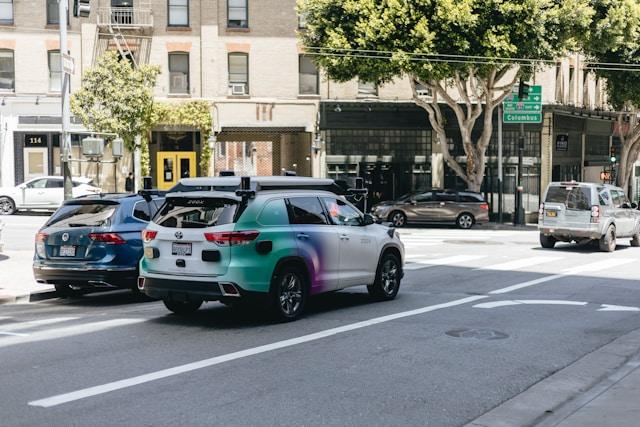
In the U.S., InsideEVs reports Uber has teamed up with EVgo to build stations in “New York, Los Angeles, Boston and San Francisco,” while London installations will be handled by “Hubber and Ionity.”
For Paris and Madrid, InsideEVs says “Electra will lead deployment,” and it also notes an ongoing partnership with Revel in “New York City.”
Obliginfos.fr mirrors the same partner-and-city structure, stating that with EVgo Uber will build stations in “New York, Los Angeles, San Francisco and Boston,” and that it will open centers in “Paris and Madrid with Electra, and in London with Hubber and Ionity.”
Obliginfos.fr adds that the company plans to begin expanding charging in the United States “in the Bay Area, in Los Angeles, and in Dallas,” before expanding to other cities over time.
InsideEVs further connects the charging sites to Uber’s autonomous operations by saying many will be located at the company’s “AV depots, where it already conducts day-to-day fleet operations such as cleaning, maintenance and inspections.”
Why charging matters
Uber’s rationale for the charging buildout is presented as a scaling problem tied to utilization and the economics of fast-charging infrastructure.
“Welcome back to TechCrunch Mobility, your hub for the future of transportation and now, more than ever, how AI is playing a part”
InsideEVs says fast-charging infrastructure requires “millions of dollars in upfront capital” and “only pencils out with consistently high usage rates,” which is why Uber is offering minimum utilization guarantees to charging-network partners.
InsideEVs quotes Uber Global Head of Mobility Pradeep Parameswaran saying, “Cities can only unlock the full promise of autonomy and electrification if the right charging infrastructure is built for scale.”
Obliginfos.fr frames the effort as part of Uber’s attempt to keep pace with competition from Tesla and Waymo in autonomous taxis, and it describes the charging centers as DC fast charging stations built at Uber Mobility depots and pit-stop locations.
TechCrunch provides additional context for why Uber is emphasizing physical assets, describing how Uber “might have started with a plan to be asset light” but later “pulled the asset-heavy rip cord” in 2020.
TechCrunch then says Uber is now “entering into a new and different asset-heavy era,” where it appears focused on “owning (or perhaps leasing) the physical assets.”
InsideEVs also ties charging demand to Uber’s operational reality, noting that its autonomous rides are limited to “Austin, Atlanta and Phoenix” where Waymo robotaxis operate through the platform.
Autonomy, partnerships, and competition
Uber’s charging buildout is presented as one component of a wider autonomy strategy that spans partnerships, robotaxi operations, and competitive positioning against Tesla and Waymo.
Obliginfos.fr says Uber’s policy is to make autonomous taxis a strategic priority “in order to keep pace with the competition from Tesla and Waymo in this field,” and it describes Uber’s earlier approach as forming partnerships to integrate rivals’ cars such as Waymo into its app.
It also states that Uber and WeRide operate a robotaxi fleet in “Abu Dhabi,” adding that this was the “first time autonomous vehicles have been in commercial operation in the Emirati capital.”
Obliginfos.fr further says Uber offers robotaxis on its ridesharing platform in “four U.S. cities,” and it names “Dubai and Riyadh” as additional locations, while also saying it plans to deploy autonomous vehicles in “Madrid this year.”
InsideEVs similarly describes Uber’s autonomous footprint, saying its autonomous rides are limited to “Austin, Atlanta and Phoenix,” and that internationally Uber has partnered with WeRide to offer autonomous rides in “Abu Dhabi, Dubai and Riyadh.”
TechCrunch adds that Uber’s investments include WeRide, Lucid and Nuro, and it lists other companies such as Rivian and Wayve, while also describing Uber’s earlier autonomous efforts including Uber Elevate and Uber ATG.
The charging investment is therefore depicted as a bridge between Uber’s autonomy partnerships and the operational requirements of electric self-driving vehicles.
Market timing and next steps
The reporting also situates Uber’s charging investment within broader market timing for electric vehicle demand and the operational ramp of robotaxis.
“Uber Technologies on Wednesday announced an investment of more than $100 million to develop autonomous-vehicle charging centers”
InsideEVs says U.S. EV sales cooled after the federal tax credit expired last September, but it adds that charging infrastructure continued to expand, citing Paren data that “18,000 new public fast-charging stations were added last year,” a “30% year-over-year increase.”
It then argues that charging networks are building ahead of demand in anticipation of an EV sales rebound fueled by more affordable and competitive models, and it connects that to Uber’s own strategy because “With most new robotaxis being electric, Uber’s investment would bolster what’s already a fast-growing EV charging market.”
TechCrunch, meanwhile, frames Uber’s current move as part of a shift toward asset-heavy ownership, describing how Uber “sold Uber ATG to Aurora, Jump to Lime, and Elevate to Joby Aviation” in 2020 while keeping equity stakes, and then describing the new approach as focusing on owning or leasing physical assets.
InsideEVs also describes how Uber’s charging sites will open first in the Bay Area, Los Angeles and Dallas, before expanding to other cities, and it notes that many will be located at AV depots where Uber conducts cleaning, maintenance and inspections.
Obliginfos.fr echoes the staged rollout, saying the company plans to begin expanding charging in the United States “in the Bay Area, in Los Angeles, and in Dallas,” before expanding to other cities over time.
The sources also indicate that Uber’s charging buildout is designed to be scalable through partner agreements, since InsideEVs says Uber is partnering with private charging networks and offering minimum utilization guarantees.
More on Technology and Science

Honor Robot Wins Beijing Half-Marathon, Beating Jacob Kiplimo’s World Record
15 sources compared
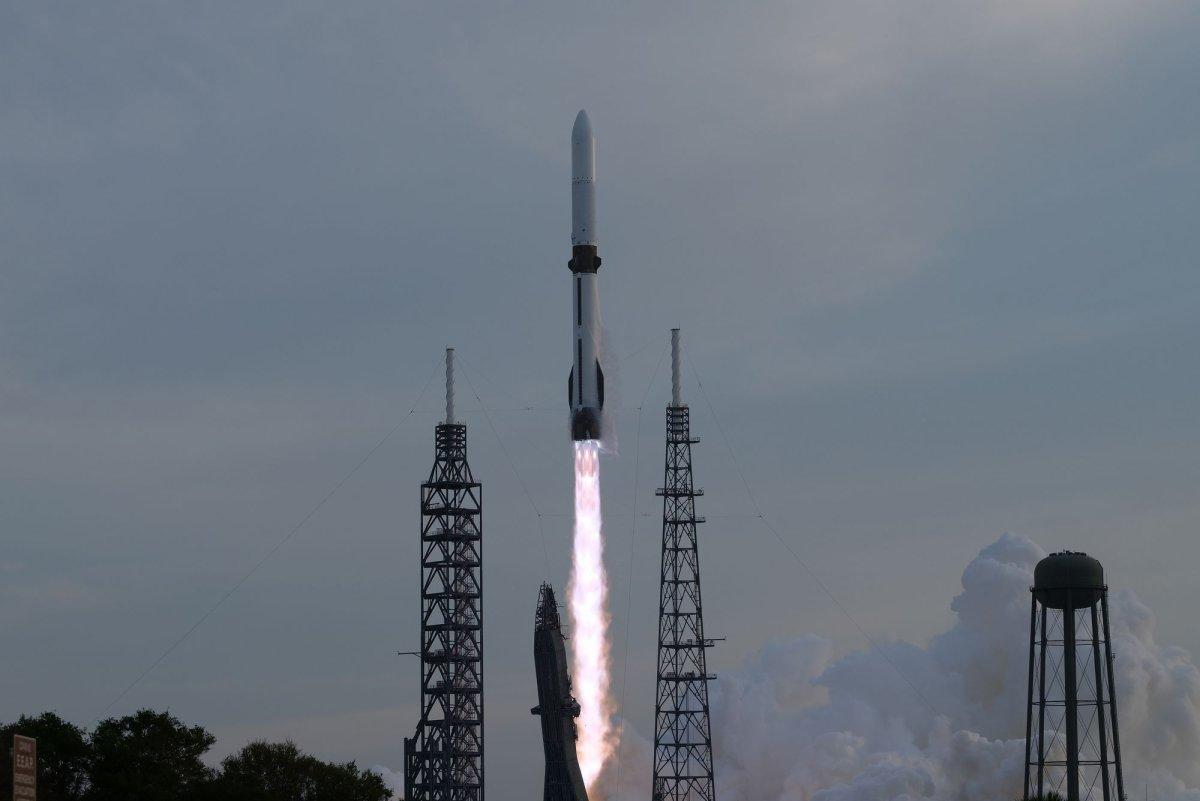
Blue Origin’s New Glenn Upper Stage Puts AST SpaceMobile’s BlueBird 7 Into Wrong Orbit
20 sources compared

Austria Police Find Rat Poison in HiPP Baby Food Jar, Triggering Recall at SPAR
12 sources compared

Trump Signs Executive Order To Fast-Track Psychedelic Drug Research, Including Ibogaine
52 sources compared