Britainupdated 47m ago2 min read
MapUK Agrees to Structured, Time-Bound Talks on Transatlantic Slave Trade Historical Harms
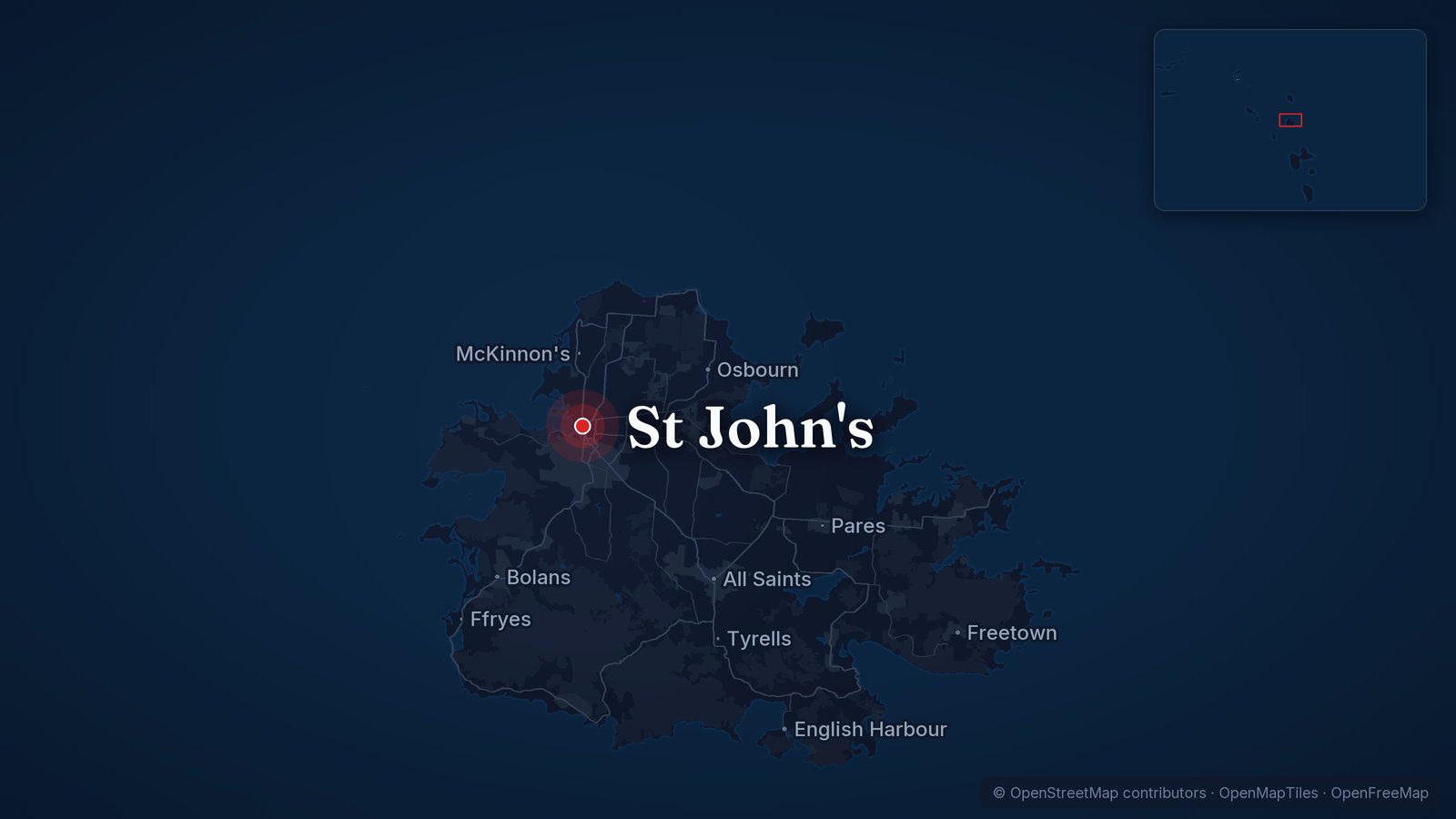
5 Western Mainstream2 Other1 AsianMap: © OpenStreetMap contributors, ODbL · Cropped for layout
This article is an automated aggregation of coverage from news outlets. Our editorials offer in-depth analysis curated by the NewsCord team.
The UK commits to structured, time-bound talks on historical harms of the slave trade. Talks may include a formal apology, but financial reparations are ruled out.
Save coverage image
BBC was read line by line by the Watchdog: 3.0. See the score →
Time-bound apology talks
The UK signed up to "structured, time-bound, inclusive and good-faith" talks addressing the "historical harms" of the transatlantic slave trade, Commonwealth leaders said in Antigua. Andy Burnham opened the door to a formal apology on behalf of the UK for its role in the slave trade while ruling out the prospect of reparations, and Ed Miliband suggested the talks are likely to conclude in around a year.
Ed Miliband told BBC Newscast, "Broadly speaking, yes," when asked whether the government might reach a formal apology by the time it hosts the G20 leaders' summit in Manchester next November. King Charles III, speaking in his role as Head of the Commonwealth, told the meeting: "The transatlantic trade in enslaved persons still casts a shadow over these islands and other Members of our Commonwealth."
No reparations, debt reset
Andy Burnham ruled out the prospect of paying financial reparations while the Commonwealth communique said leaders "welcome the agreement of the government of the United Kingdom to engage in a structured, time-bound, inclusive and good-faith dialogue". Ed Miliband insisted that British taxpayers will not pay a penny more as a result of Burnham's "new approach" to the Commonwealth, and he accused previous governments of having a tendency to "sweep under the carpet" the issue of slavery.
Burnham set out plans for a "debt reset" aimed at helping poorer countries struggling with repayments to borrowers, and he argued that work to support member states must include non-G7 donors and the private sector. Burnham also announced that the UK will allocate £40m over three years to speed up critical infrastructure investment, including green energy in the Caribbean, while insisting the money would come from existing budgets.
Commonwealth input and politics
Downing Street indicated that Andy Burnham will ask countries affected by Britain’s role in slavery to help shape an expected formal apology, and No 10 said the prime minister would use the event to launch a "structured dialogue". Downing Street spokespersons argued that "We think it’s right that a formal apology is discussed properly with the countries and communities most affected, rather than simply deciding unilaterally what form it should take."
Kemi Badenoch urged the prime minister not to issue an apology for slavery, saying it would give countries a reason to ask the UK for reparations and warning, "I don’t think we should be giving any money to compensate people for the slave trade". The Guardian reported that Downing Street ruled out paying reparations after an apology, while Burnham was expected to set out plans for a system of debt restructuring for countries facing higher debt costs.