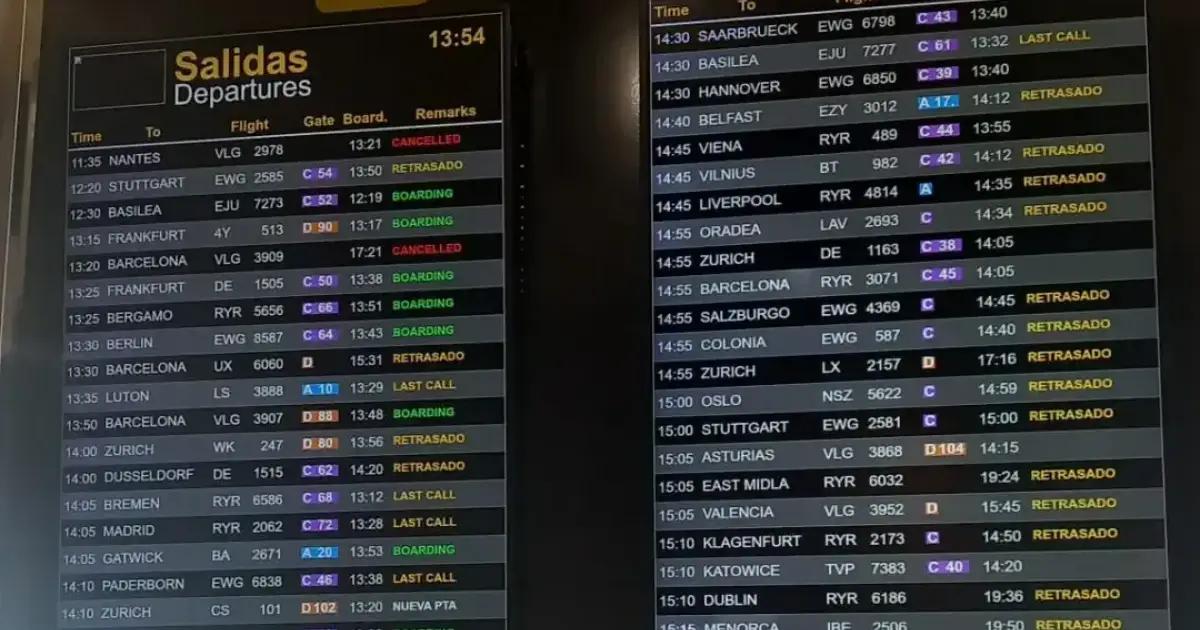
Britain · 09 September, 2026 · 3 min read
U.K. Air Traffic Control Glitch Cancels More Than 1,000 Flights, NATS Says
NATS flight-processing system fault caused widespread UK cancellations, totaling over 1,000 flights. Disruptions persisted into Wednesday, with cancellations approaching 2,000 and a large backlog.
How the outage affected passenger arrivals vs departures.
7 of 8 outlets skipped it: a UK regulator expected a full report before considering reforms.
83outlets compared
Same story, two versions
tap a side to read it in full
ABC’s early framing narrows impact to departures, unlike broader disruption emphasis elsewhere.
NATS glitch sparks cancellations
A technical issue in the U.K. air traffic control system disrupted travel across Britain on Tuesday, canceling more than 1,000 flights and leaving passengers stranded for hours on airport runways and in terminals, according to Flightradar24.
“canceling more than 1,000 flights and leaving passengers stranded for hours”
The problem began around 1:00 p.m. on Tuesday and affected the system that provides controllers with essential information to manage flights crossing British airspace, the British air traffic control provider NATS said it had identified and resolved the incident during Tuesday afternoon.
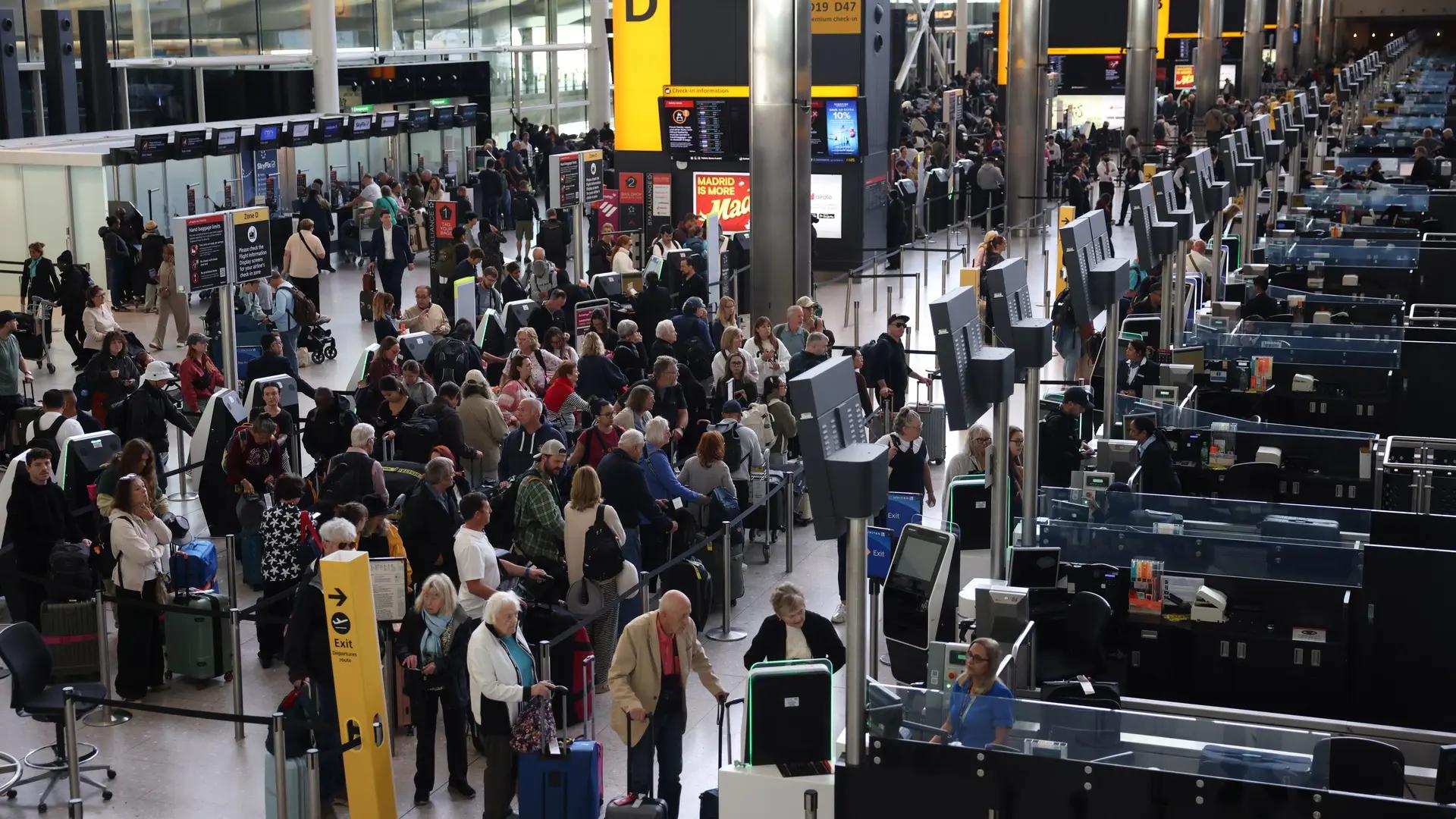
NATS said the fault impacted its flight-processing system and that recovery was slower than expected due to the backlog, while Heathrow remained one of the most affected airports with operating flights but numerous delays and cancellations.
Cirium counted 1,762 cancellations on Tuesday, when only 902 departures and 860 arrivals were recorded compared with nearly 5,800 planned operations, and early Wednesday another 153 cancellations were added.
In a separate update, Flightradar24 reported nearly 300 flights were cancelled Tuesday because of a technical issue in the U.K. air traffic control system, and NATS said it had “implemented a fix and our flight system is starting to recover.”
Rolfe apologizes; Alexander acts
NATS chief executive Martin Rolfe took responsibility and apologized to passengers, telling BBC Radio 4, “We take responsibility,” before pledging a “very, very thorough” investigation.
Transport Secretary Heidi Alexander summoned the head of NATS to demand explanations and assurances that lessons would be learned, while the BBC reported she was expected to say a cyber attack was “categorically” not the cause of the fault.

Ryanair’s chief operating officer Neal McMahon called for Rolfe to resign after a second major outage hit the air traffic control system in three years, and he said “Over three years after Nats’ catastrophic 2023 system meltdown, it’s clear that nothing has changed.”
Wizz Air branded Nats “simply not fit for purpose in its current form,” and BBC reporting quoted Wizz Air saying “A critical national infrastructure provider should not repeatedly bring the aviation system to a standstill.”
NATS ruled out that the failure was related to a cyberattack, and the UK Civil Aviation Authority said it would consider whether any reforms are needed to secure the reliability of the UK’s air traffic control system.
Backlog keeps travel disrupted
Even after NATS said the system issue was resolved, delays and cancellations continued into Wednesday, with Cirium reporting more than 1,750 flights cancelled on Tuesday and a further 153 axed on Wednesday.
““knock-on impacts as aircraft and crew reposition.””
Heathrow said passengers should only travel if they have a confirmed flight operating, and the BBC reported Heathrow expected “knock-on impacts as aircraft and crew reposition.”
At Gatwick, a spokesperson said flights had resumed but “we still anticipate that it will take time for our operations to fully return to normal,” while Belfast City Airport said disruption could affect a small number due to “knock-on effects.”
The disruption also spread beyond Britain, with airports in Ireland reporting disruption and the BBC noting that landings were restricted because few aircraft could take off, leaving some flights unable to depart overseas airports.
Ryanair said more than 65,000 of its passengers had been delayed by up to eight hours and that it had cancelled more than 50 scheduled flights, while British Airways said it had to cancel or divert more than a hundred flights during Tuesday afternoon.