Technology and Science20 August, 20262 min read
UK Health Security Agency Links Salmonella Outbreak to Imported Eggs, Warns Pregnant Women and Under-Fives
Imported eggs linked to the outbreak, mainly used by restaurants and catering. Pregnant women and under-fives urged to avoid runny eggs and egg dishes.
10 outlets told this the same way.
UK salmonella egg warning
A salmonella outbreak in the UK has led to advice for pregnant women and young children to avoid eating runny eggs when dining out, as health officials link the outbreak to “eggs imported from outside of the UK”. The UK Health Security Agency confirmed 207 cases of salmonella between August 11 last year and August 1 this year, and the BBC said one person died and hundreds more fell ill.
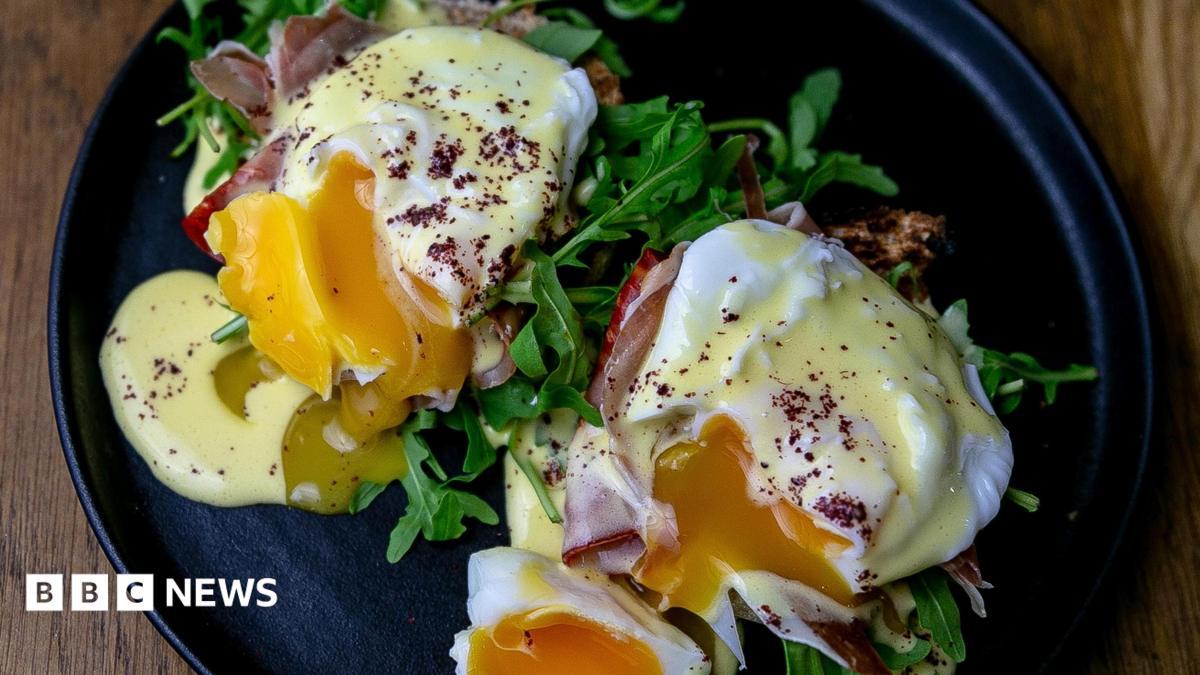
The Food Standards Agency warned vulnerable groups to avoid soft-boiled eggs, soft poached eggs, and foods that might contain uncooked eggs, including mayonnaise, mousses, souffle, hollandaise sauce, and other foods. The FSA chief scientific adviser Professor Ian Young told the BBC that “it’s important to make sure that any eggs or egg products that you consume in those settings have been very well cooked.”
How the bacteria spreads
The Guardian described salmonella as “not a single ‘bug’ but the name we give to a whole group of bacteria that can cause infection in humans,” and said there are “over 2,500 different types of salmonella bacteria.” It said salmonella can be spread by contaminated drinking water, contact with animals, person-to-person spread, or poor food hygiene and preparation, “particularly when cooked food comes into contact with contaminated and undercooked or raw foods”.
The Guardian said symptoms include abdominal pain, diarrhoea, vomiting and a fever, and it reported that 34 people were hospitalised in the outbreak. Dr Malick Gibani, a clinical associate professor at Imperial College London, said “In most cases, people will get better without any treatment,” while antibiotics might be needed in some instances, particularly for vulnerable groups.
What to do next
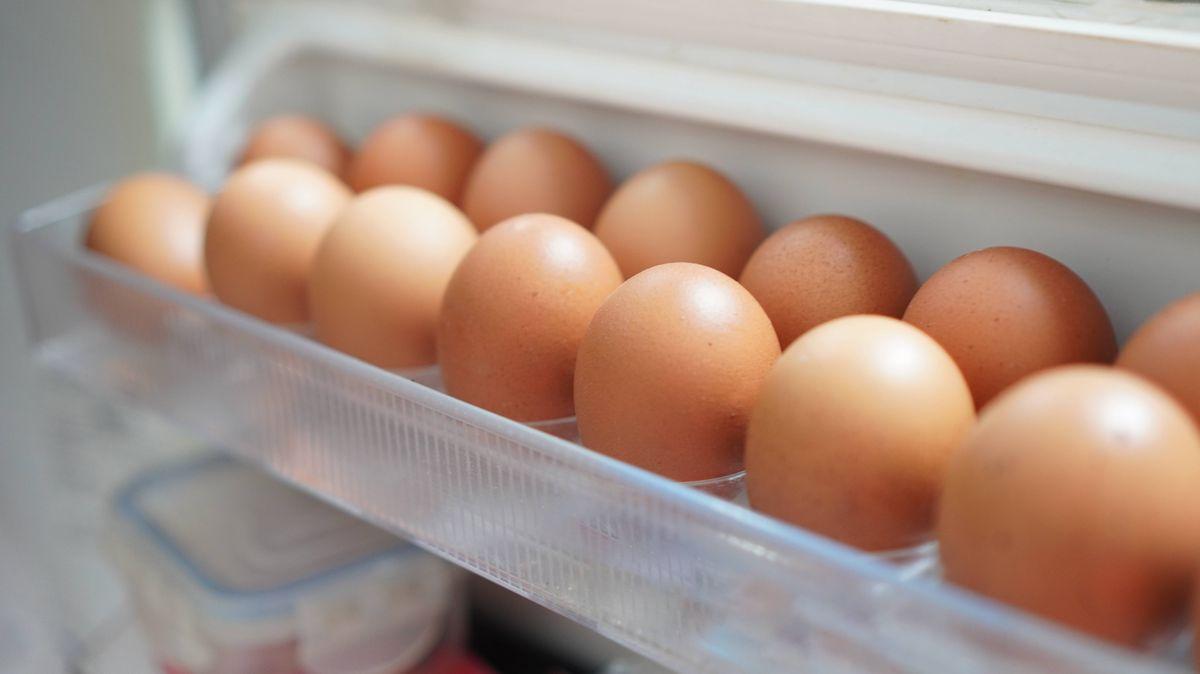
The Food Standards Agency said there is “no evidence that UK-produced eggs are affected,” while investigations so far have identified links to eggs imported from outside the UK, mainly used by food service and catering establishments such as restaurants or cafes. In Wales, households were urged to check for the Red Lion symbol alongside an eight digit code, and the UKHSA confirmed 207 cases between August 11, 2025 and August 1 this year, including 199 recorded in England, six in Scotland, one in Wales and one in Northern Ireland.
The Wales Online report said more than a third of those affected—38%—required hospitalisation, and it added that two developed potentially life-threatening bloodstream infections. Speaking to the Science Media Centre, Dr Damien Tully warned: “This is a sizeable outbreak, but the number of confirmed cases is likely to be just the tip of the iceberg.”