UK Home Office Rolled Out Flawed AI Age Checks for Small Boat Migrants
Key Takeaways
- UK Home Office rolled out AI facial age-checks for asylum seekers despite flaws.
- AI age checks described as flawed and unreliable by multiple outlets.
- UK uses AI to determine asylum seekers’ ages.
Flawed checks, rushed rollout
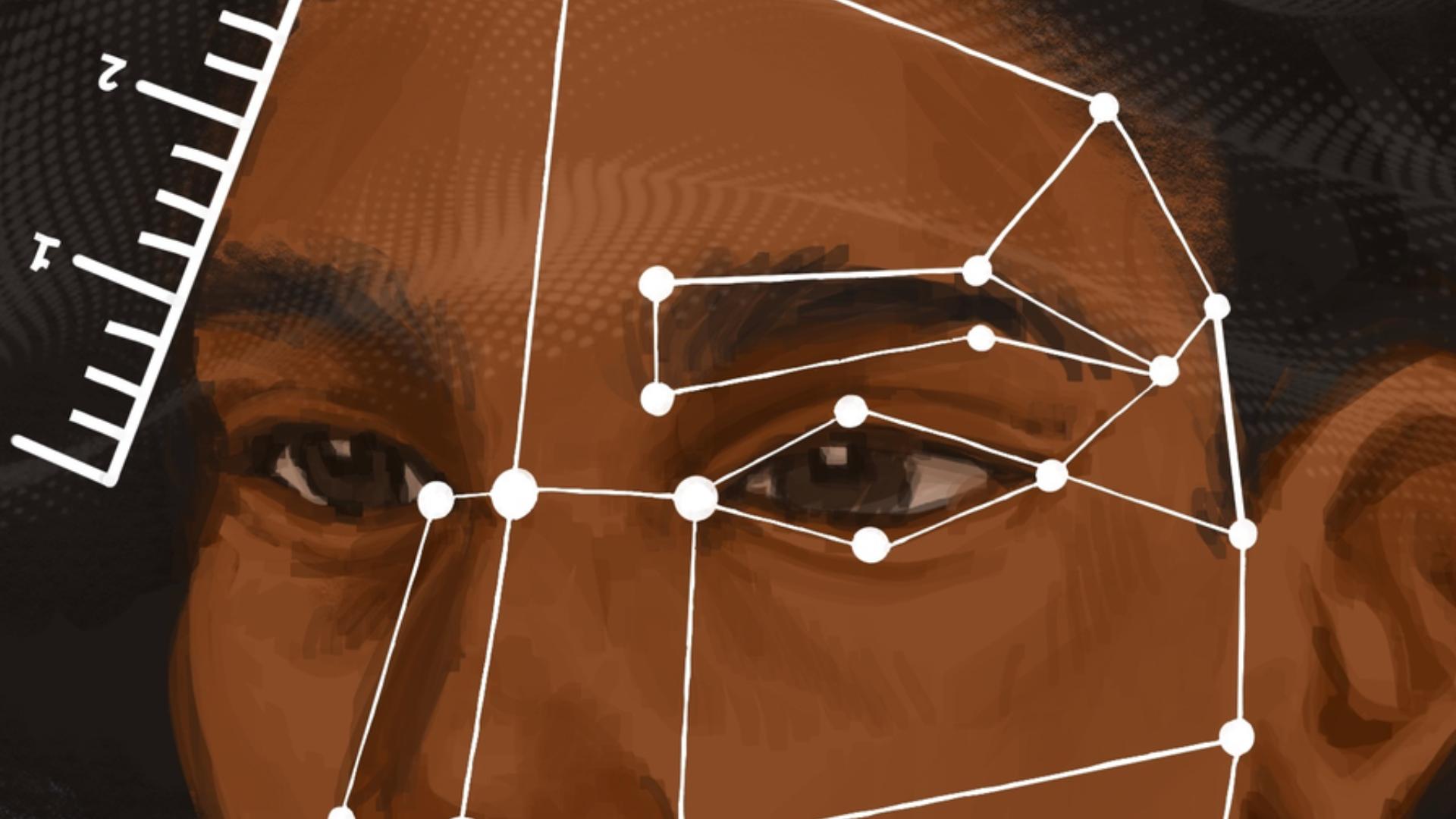
The UK Home Office knew an AI tool for age checks of small boat migrants was flawed but pressed ahead with its rollout anyway, The Independent reported, describing a system that predicts age from facial features and can judge teenagers as adults in error.
“Age verification is consuming the Internet”
The leaked report The Independent says the Home Office tried to withhold found the technology was least accurate for migrants from countries such as Eritrea and Sudan, and it warned that error rates were particularly high for female child migrants from Sub-Saharan Africa, at 4.6 years on average.
The Independent also reported that an audit by Lighthouse Reports of public data on the government’s chosen AI provider showed its tech misclassified more than a third of 16-year-olds as adults and, in some tests, gave the wrong assessment in 70 per cent of cases.
Scientific advisers to the Home Office told The Independent they felt the government was rushing to adopt the AI tech for political reasons and chose not to consult them to avoid criticism, while Professor Tim Cole said the department was pursuing the technology despite being aware that it is “hideously inaccurate.”
The Home Office said the “cost-effective” age assessment method had indicated “promising performance and accuracy,” and it said its conclusions from the FAE test report did not relate to active procurement of services from any provider.
Bias, committee shut, strike
Lighthouse Reports said the UK turned to AI to determine ages of asylum seekers and that the technology is “deeply unreliable,” describing how a child wrongly assessed to be over can be put into accommodation for adults and can be liable for detention and forced removal.
Lighthouse Reports said the Home Office announced that the “most cost-effective” option would be to use AI and that the Home Office signed a contract with Cognitec Systems, a Dresden-based facial recognition company, to supply the age estimation algorithm.
WIRED reported that the Home Office disbanded a scientific committee designed to advise it on broader age estimation methods while it was exploring the introduction of AI, and Tim Cole said, “We were keen to highlight the inadequacies of facial age estimation, but this opportunity was not presented to us, and then the committee was shut down.”
WIRED also quoted a Home Office spokesperson saying, “In cases of uncertainty,” “individuals will always be treated as children until a further assessment is conducted.”
The Independent, meanwhile, reported that 60 organisations sent an open letter calling for a halt to the rollout of FAE, warning that the technology has “baked-in failures and discrimination” and that it is “imprecise at the crucial 16-to-18-year-old boundary.”
What happens at the border
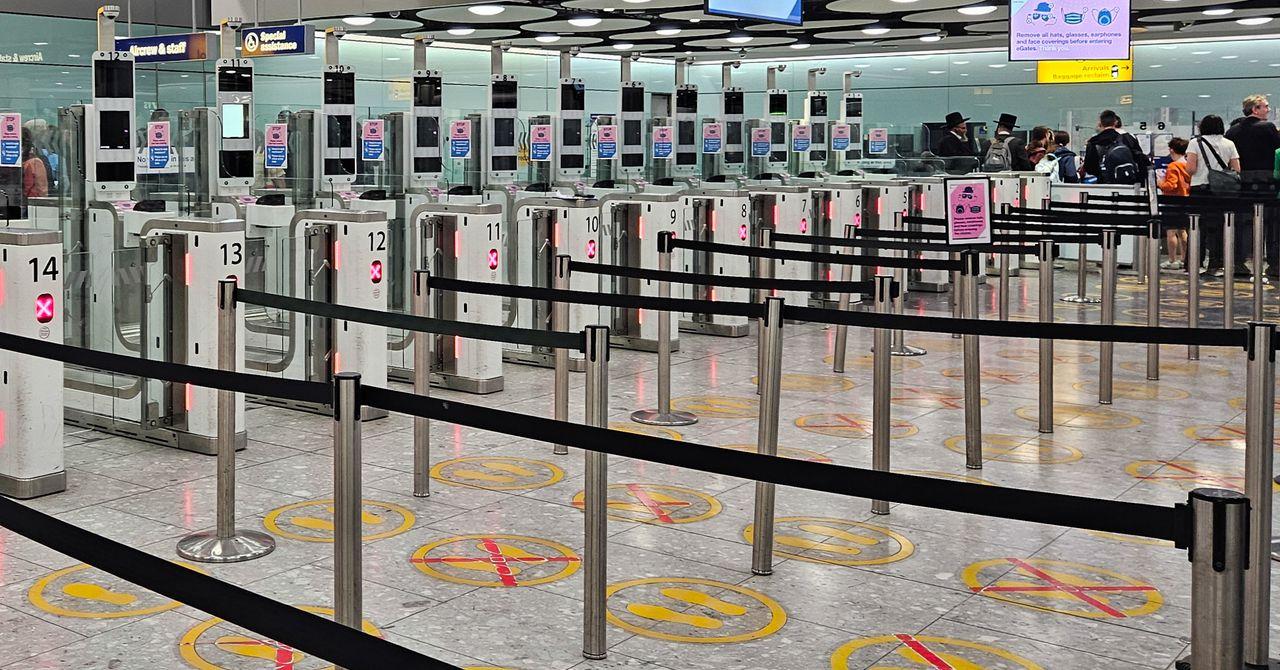
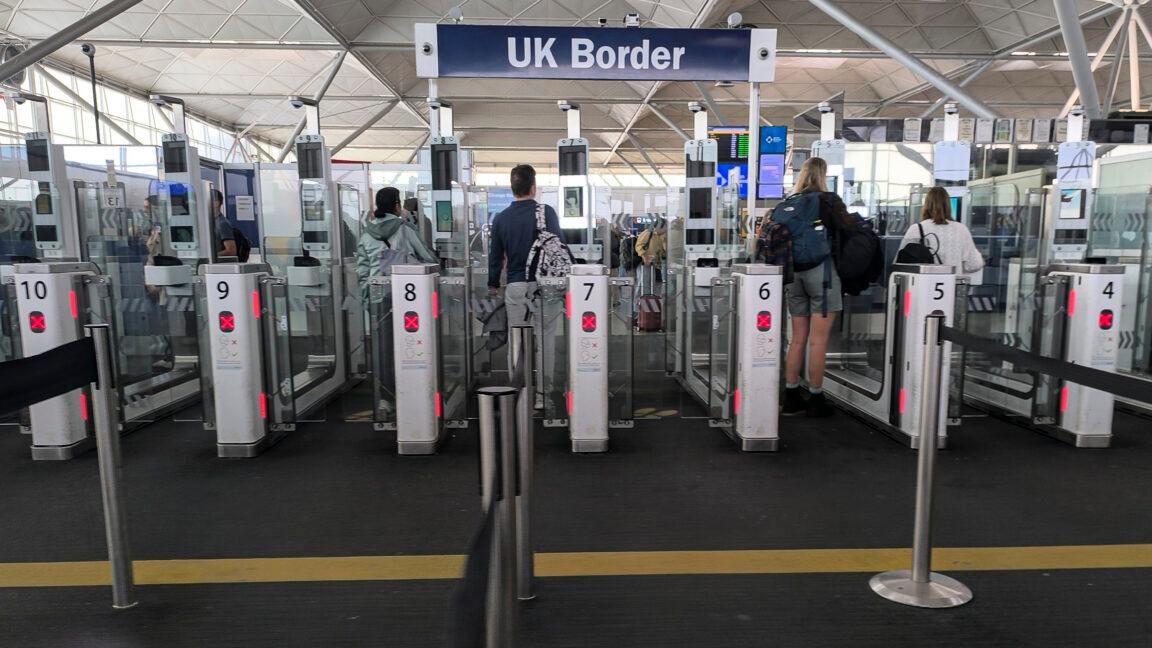
The Home Office plans to use facial age estimation by immigration officers at the border from 2027 to “crack down on fake claims by small boat arrivals posing as children,” according to The Independent and WIRED.
“The Home Office knew an AI tool that would be used to check the age of small boat migrants was flawed but pressed ahead with its rollout anyway, The Independent can reveal”
WIRED said the leaked Home Office document obtained by Lighthouse Reports largely details the “best” performing of seven facial age estimation algorithms tested by the department, but it found the system performed significantly worse when used to estimate the ages of Sub-Saharan Africans compared to other groups.
For female Sub-Saharan Africans, WIRED reported the age the system guessed was off by an average of 4.6 years, meaning a 13.5-year-old girl could be assessed as an 18-year-old adult, while The Independent reported that error rates for female child migrants from Sub-Saharan Africa were at 4.6 years on average.
The Independent also reported that its investigation found the government’s own evaluation of FAE revealed the technology predicted 17-year-olds to be on average over 18, and it said that in one in 20 cases the technology said that a 17.5-year-old falls outside the age range of 14 to 22.5.
Lighthouse Reports framed the stakes as immediate and personal, saying the decision can have huge consequences because a child wrongly assessed to be over can be put into accommodation for adults, often forced to share bedrooms with adults they don’t know, and can be liable for detention and forced removal.
More on Technology and Science

Mukesh Ambani Announces Reliance $110 Billion AI Investment in New Delhi and Jamnagar
15 sources compared

US Commerce Secretary Howard Lutnick Pressures ASML Over Possible EUV Machine in China
16 sources compared

Saudi Doctors Successfully Separate Filipino Conjoined Twins Olivia and Gianna in Riyadh
11 sources compared
FDA Advisers Recommend Approving Moderna’s mFlusiva mRNA Flu Vaccine for Older Americans
11 sources compared