Gaza Genocide14 October, 20253 min read
Ukraine Drones Destroy Russian Oil Refineries, Crippling Fuel Exports to Lowest Level Since 2022
Ukrainian drone strikes severely damaged the Feodosia oil terminal in Crimea, causing large fires. Russia’s fuel exports dropped to their lowest levels since early 2022 due to ongoing drone attacks.

13 outlets told this the same way.
Ukrainian Drone Attacks on Russian Oil
Ukrainian long-range drones have hammered Russia’s oil system, striking refineries and terminals from Crimea to western Russia and driving fuel exports to their lowest level since the full-scale invasion. The Guardian reports a major hit on the Feodosia oil terminal in occupied Crimea that set multiple reservoirs on fire and hit Russian electrical substations. This attack was part of over 30 strikes on Russian energy infrastructure since August, intended to choke Kremlin revenues and trigger fuel shortages.
“Ukrainian drone strikes targeted the Feodosia oil terminal in Russian-occupied Crimea, setting multiple reservoirs on fire and hitting Russian electrical substations, according to Ukrainian security sources.”
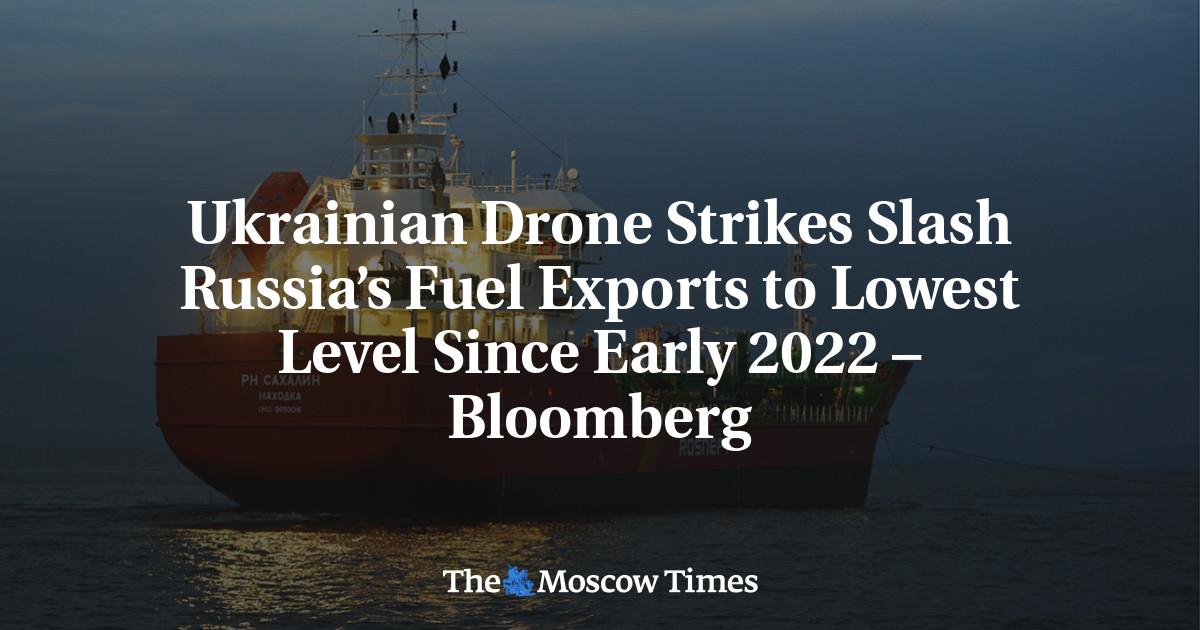
The BBC verifies the broader pattern, tracking 54 attacks on 24 refineries this year, with surges in August and September. The Moscow Times ties the campaign to market fallout, citing Vortexa data that shows average fuel exports sliding to 1.88 million barrels per day in early October and total refining below 5 million barrels per day—the lowest since spring 2022. Al Jazeera centers the Ryazan plant and reports that in 2025 over half of Russia’s key refineries have been hit, with September alone seeing 40 strikes.
Impact of Strikes on Russian Fuel Supply
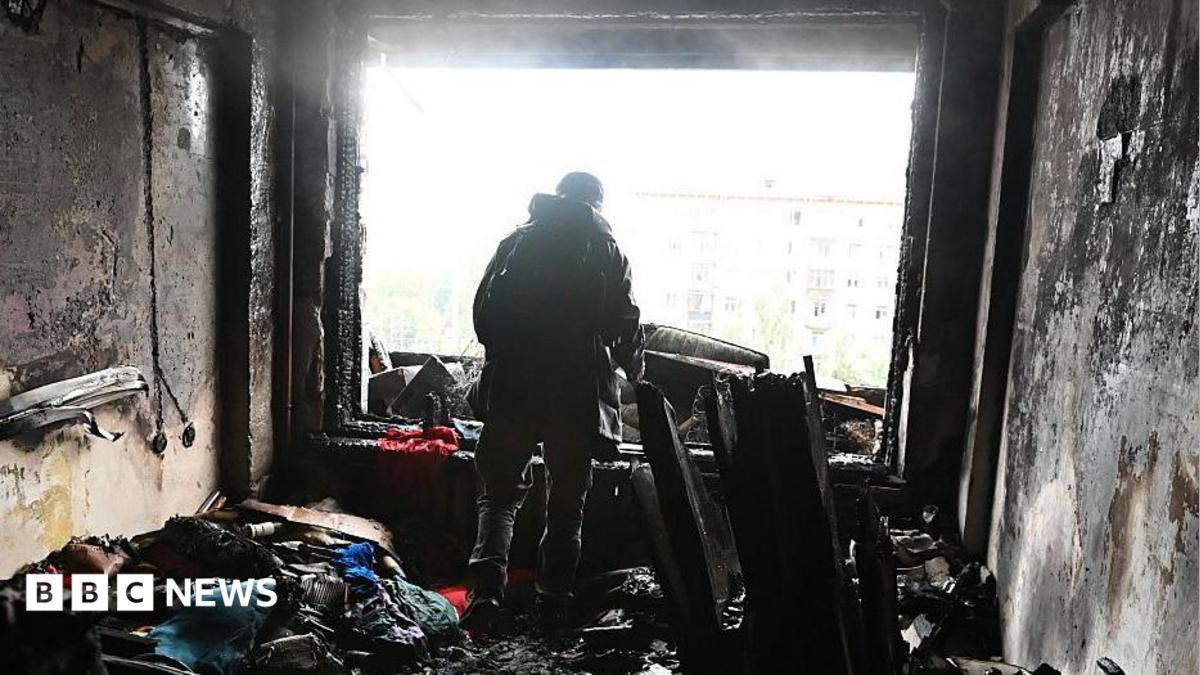
Inside Russia and occupied territories, the strikes have caused visible shortages, price spikes, and emergency policy measures. The BBC has verified long queues at stations in Crimea and southern Russia, noting that shortages are more pronounced in rural and less affluent areas. There is a nationwide shortfall of 3–5%, with independent retailers being hit hardest.
The Moscow Times reports on Moscow’s emergency response, stating that Russia has banned gasoline exports. It also details a September blow to Ust-Luga that produced a 43% month-on-month drop in naphtha exports.

Al Jazeera reports public alarm around key refinery towns and highlights Russia’s air-defense vulnerabilities. The Guardian adds that Kyiv’s campaign is explicitly intended to cause fuel shortages in Russia.
Ukraine Energy Attacks Overview
Kyiv describes the refinery campaign as retaliation amid Russia’s escalation against Ukraine’s civilian energy grid. The Atlantic Council reports an unprecedented October barrage that disabled 60% of Ukraine’s gas production with about 450 drones and 30 missiles in a single assault, causing widespread outages. The Kyiv Independent notes that Russia has made repeated efforts since 2022 to disrupt Ukraine’s power grid and heating systems.
“Russia's repeated efforts since 2022 to disrupt Ukraine's power grid and heating systems, especially ahead of winter, aiming to worsen civilian living conditions.”
Ukrainian President Zelensky warned of retaliatory strikes against Russia’s energy sector if such attacks continue. The UN condemned a Russian drone strike on a clearly marked humanitarian convoy in Kherson as a likely war crime, highlighting the civilian toll from Russia’s drone warfare. The BBC confirmed the convoy attack in its verified digest.
International Actions on Russia-Ukraine Conflict
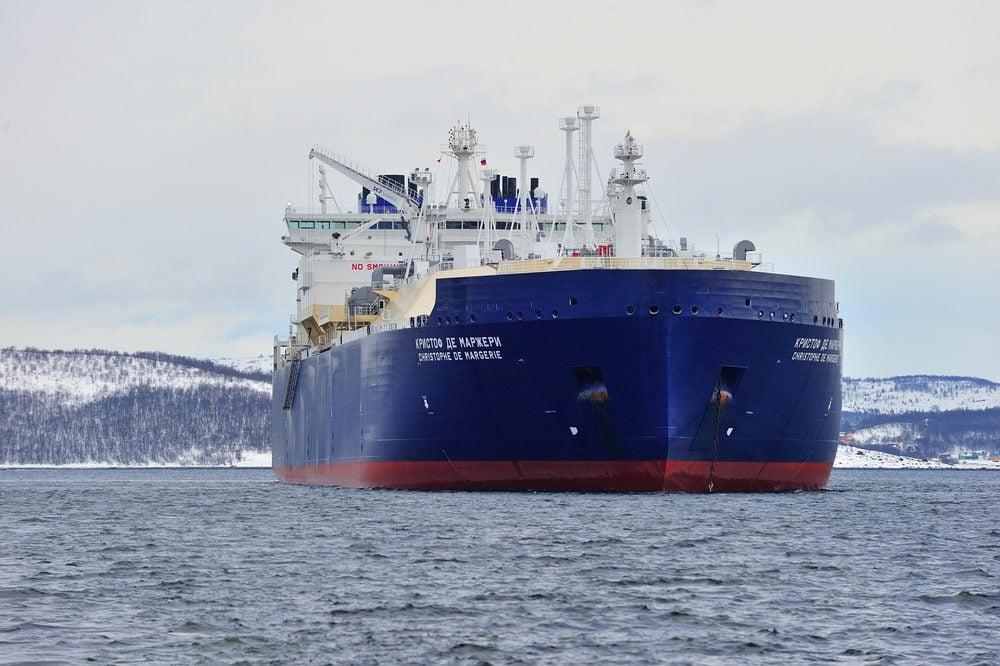
The international response is increasing pressure on Russia’s energy sector while enhancing Ukraine’s strike capabilities. The Independent reports that the UK has allocated £600 million to supply drones to Ukraine and is training Moldova’s forces to counter drones. The UK is also preparing a significant sanctions package targeting the Russian energy sector, the shadow fleet, and countries benefiting from Russian hydrocarbons.
The BBC states that sanctions have already disrupted repairs on modernized refineries and that Russia has been limiting oil exports since March. The Guardian mentions that Zelensky is arranging a meeting in Washington with Donald Trump where Tomahawk missiles are being discussed. Al Jazeera reports that the U.S. has not yet decided on supplying Tomahawk missiles and covers Istanbul talks where Moscow demanded Kyiv stop attacks on refineries.
Kyiv rejected Moscow’s demands while seeking broader ceasefire terms during the Istanbul discussions. The Moscow Times notes that potential buyers may shift, with Taiwan possibly halting purchases if pressured by the EU.
Impact of Attacks on Russian Refineries
The refinery conflict is expected to continue and reduce Russia’s fuel export capacity. The International Energy Agency, as reported by The Moscow Times, warns that the effects will last for nearly a year, with output unlikely to recover before mid-2026. BBC Verify has recorded 54 attacks on 24 refineries this year but estimates the capacity loss to be closer to 10%.
“The International Energy Agency warns that the impact of these attacks will persist for nearly a year, with refinery output unlikely to recover before mid-2026.”
Al Jazeera reports that attacks peaked in September with 40 strikes and that over half of key refineries have been targeted, indicating ongoing weaknesses in air defenses. The Guardian’s count of over 30 strikes since August shows that the frequency of attacks remains high and is focused on energy hubs like Feodosia.