Ukraine War22 April, 20268 min read
Ukraine Restarts Druzhba Pipeline, Clearing Way for EU’s €90 Billion Loan and 20th Russia Sanctions
Druzhba pipeline restarts, unlocking a €90 billion EU loan for Ukraine. Hungary lifts veto, paving EU approval of the Ukraine loan.

Pipeline Restarts, Loan Unblocked
Ukraine said it resumed pumping Russian oil through the Druzhba pipeline into Hungary and Slovakia, ending “months of deadlock” over a €90bn (£78bn) European Union loan described as vital European support for Kyiv. The BBC reported that soon afterwards “EU ambassadors meeting in Brussels gave preliminary approval to the loan, as well as a 20th package of sanctions on Russia,” with officials saying it was expected to be signed off on Thursday. The BBC also tied the deadlock to Hungary’s Viktor Orbán, who “slapped a veto on the payment in February” after Ukraine said damage caused by a Russian attack had brought supplies to a halt.
Ukraine and government sources told officials in Hungary and Slovakia that pumping restarted “hours after the EU ambassadors began discussing the loan,” and the BBC said Orbán had demanded the oil start flowing again before the loan could be paid out. The BBC added that Ukraine confirmed repairs had been completed on Tuesday and that pressurising began on Wednesday morning, with crude expected to start flowing into Slovakia on Thursday for the first time since 27 January.

The Kyiv Independent later put the formal step in time, saying “The Council of the EU on April 23 formally adopted the 90-billion-euro ($106-billion) loan for Ukraine and the 20th package of sanctions against Russia,” after Hungarian and Slovak envoys dropped their vetoes a day earlier. In parallel, multiple outlets described the pipeline restart as the immediate trigger for EU action, with EU Today saying “Within hours of the announcement from Kyiv, EU ambassadors in Brussels moved to grant preliminary approval for both the financial package and a fresh round of sanctions against Russia.”
How the Standoff Built
The dispute over the loan and sanctions was rooted in earlier damage to the Druzhba pipeline and the political leverage Hungary and Slovakia used afterward. The BBC said the funding was agreed “last December,” but Orbán “slapped a veto on the payment in February after Ukraine said damage caused by a Russian attack had brought supplies to a halt.” It also described how satellite images at the time suggested “substantial damage to a major oil tank at Brody in western Ukraine in late January,” and that Kyiv insisted repairs would take time while “its engineers had come under Russian attack.”
Global News framed the same pipeline feud as a broader diplomatic clash, saying Hungary and Slovakia “have been locked in a feud with Ukraine since Russian oil deliveries to the two EU countries were halted in January after a pipeline was damaged,” with Ukrainian officials blaming “Russian drone attacks.” The Kyiv Independent added that the pipeline “went offline in late January after being damaged in a Russian attack,” and said Budapest and Bratislava accused Kyiv of “deliberately withholding transit and slow-walking repairs.”

The BBC account said Orbán’s election defeat “last Sunday” cleared the air for the EU, and it described Hungary’s next leader, Péter Magyar, as prioritising “a reset in Budapest's poor relations with Brussels.” Euronews similarly said the two-month impasse ended “on Thursday after Hungary lifted its contentious veto,” and it described how Orbán pushed internal EU norms “to the breaking point” in his last months in office.
Voices: Kyiv, EU, and Hungary
As the EU moved from preliminary approval to formal adoption, officials and political leaders used language that underscored both urgency and political meaning. The BBC quoted EU foreign policy chief Kaja Kallas saying, “Ukraine really needs this loan and it's also a sign that Russia cannot outlast Ukraine,” and it reported that Ukrainian Deputy Prime Minister Taras Kachka described the funding as “a matter of life and death” for Kyiv. In a direct statement after the formal decision, the Kyiv Independent reported President Volodymyr Zelensky saying, “The European support loan for Ukraine has been unblocked — 90 billion euros over two years,” and it added that Zelensky said, “This package will strengthen our army, make Ukraine more resilient, and enable us to fulfill our social obligations to Ukrainians, as set out in law.”
Zelensky also said Ukraine aimed to receive the first tranche “between May and June,” according to the Kyiv Independent, and Euronews quoted him writing on X that “It matters that Ukraine is securing this level of financial certainty – after more than four years of full-scale war,” while urging the first tranche “as early as May–June.” On the EU side, the BBC said two-thirds of the loan would be spent on “bolstering Ukraine's defence needs” while the rest would go to broader financial assistance, and it reported Slovak Economy Minister Denisa Sakova had been told by Ukrtransnaft that pressurising had begun and crude would start flowing into Slovakia on Thursday.
Global News quoted Cypriot Finance Minister Makis Keravnos saying, “Today the Council approved the final element needed to allow for the disbursement of the 90-billion-euro loan for Ukraine,” and that “Loan disbursements will start flowing as soon as possible.” Hungary’s political shift was reflected in Global News, which quoted Slovak Prime Minister Robert Fico welcoming the development as “good news,” and it also quoted Fico saying, “Let’s hope a serious relation between Ukraine and the European Union has been established,” while thanking “the European Commission and Hungary.”
Different Emphases Across Outlets
While all the outlets describe the same core sequence—pipeline restart, EU approval, and sanctions—each frames the story through different details and emphasis. The BBC foregrounded the mechanics of the deadlock and the timeline, including that transit began at “12:35 local time (09:35 GMT)” and that the volume of pumping was “not yet clear,” while also noting that the EU funding was “expected to be signed off on Thursday.” EU Today, by contrast, leaned into symbolism and political narrative, saying “The symbolism is as potent as the substance” and describing the episode as “a knot of political obstruction, wartime disruption and mutual suspicion” that was “at last” loosened.
Global News focused on the formal approval and the role of Hungary lifting its veto, stating that “The European Union on Thursday approved a massive loan package” and quoting Makis Keravnos on disbursement, while also adding that the measures were “prepared early this year and set to be announced in February” to mark “the fourth anniversary of the conflict.” The Kyiv Independent provided the most detailed sanctions architecture, saying the 20th package “includes 120 new listings, the highest number in two years,” and it specified targets such as “46 more vessels in Russia's shadow fleet” and bans on transactions with “the ports of Murmansk and Tuapse.”

Euronews described the EU process in procedural terms, saying “The internal procedure was launched by ambassadors on Wednesday and finalised on Thursday,” and it quoted Zelensky’s X post about “financial certainty” and the first tranche “as early as May–June.” Le Monde framed the broader strategic context, saying the row held up EU support “at a time when the United States has largely cut Kyiv off and eased sanctions on Russian oil,” and it added that Zelensky used the moment to push EU accession, including that he said “We will push everybody.”
Stakes: Funding, Sanctions, and Next Steps
The immediate consequence of the pipeline restart was not only the unblocking of the loan but also the activation of a new sanctions package and the expectation of near-term disbursement. The BBC said the EU ambassadors’ preliminary approval was expected to be signed off on Thursday, and it reported that the funding had been agreed “last December” but blocked by Orbán’s February veto, with the pipeline repair confirmation coming after Ukraine said repairs were completed on Tuesday. The Kyiv Independent said the formal adoption on April 23 came after envoys dropped vetoes a day earlier, and it described the loan as a “crucial lifeline for cash-strapped Ukraine” intended to help cover financial needs in “2026–2027,” with “two-thirds allocated to defense and the remainder to budgetary support.”
It also quoted Zelensky on how the funds would be directed, saying “The funds from the European package will be directed, among other priorities, to arms production,” including “procurement of necessary weapons from partners that we do not yet produce in Ukraine,” and “the preparation of our energy sector and critical infrastructure for the next winter.” Euronews said Brussels expected the first payment “as soon as possible” once legal and technical documents were in place, and it quoted Ursula von der Leyen saying, “While Russia doubles down on its aggression, we are doubling down on our support to the brave Ukrainian nation enabling Ukraine to defend itself and putting pressure on Russia’s war economy.”
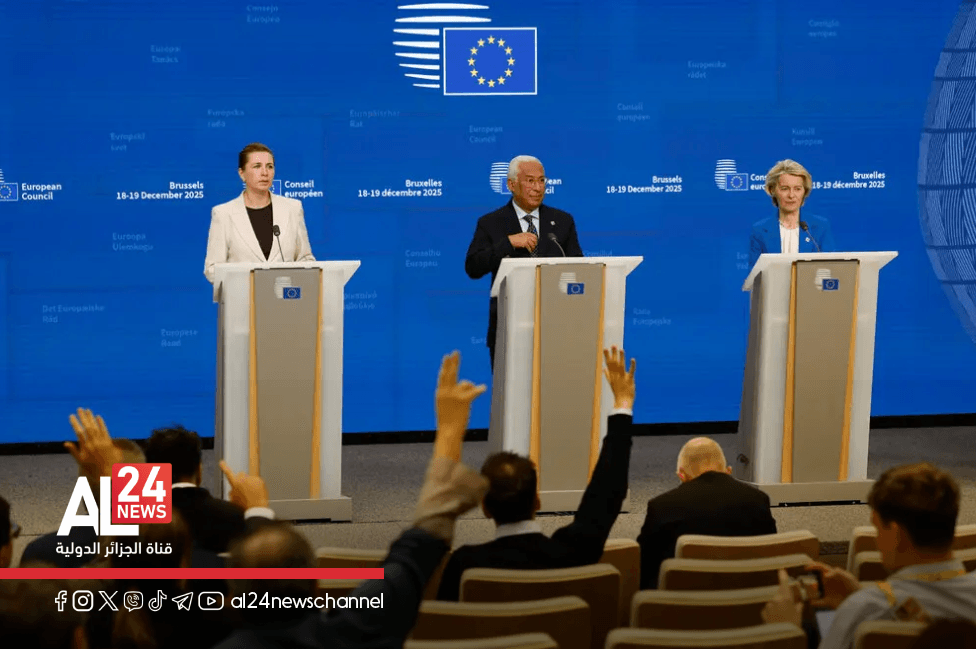
The sanctions package itself was described as targeting Russia’s energy, financial, and trade sectors, and the Kyiv Independent said it included measures such as banning transactions with “the ports of Murmansk and Tuapse” and activating an “anti-circumvention tool” banning exports of “computer numerical control machines and radios to Kyrgyzstan.” Looking ahead, the BBC said the volume of pumping was “not yet clear” even as transit began, and it reported that Mol expected first supplies by Thursday at the latest, while Slovak Economy Minister Denisa Sakova said crude would start flowing into Slovakia on Thursday “for the first time since 27 January.”