Ukraine War06 October, 20253 min read
Ukraine Strikes Russian Ammunition Plant, Oil Terminal, and Weapons Depot with Long-Range Missiles and Drones
Ukraine struck the Sverdlov ammunition plant in Russia’s Nizhny Novgorod region overnight. Long-range Ukrainian drones and domestically produced missiles targeted an oil terminal and weapons depot.
26 outlets told this the same way.
Outlets did split on Russian Attack Kills At Least 33 On Two Buses In Kramatorsk →
Ukraine's Long-Range Strikes
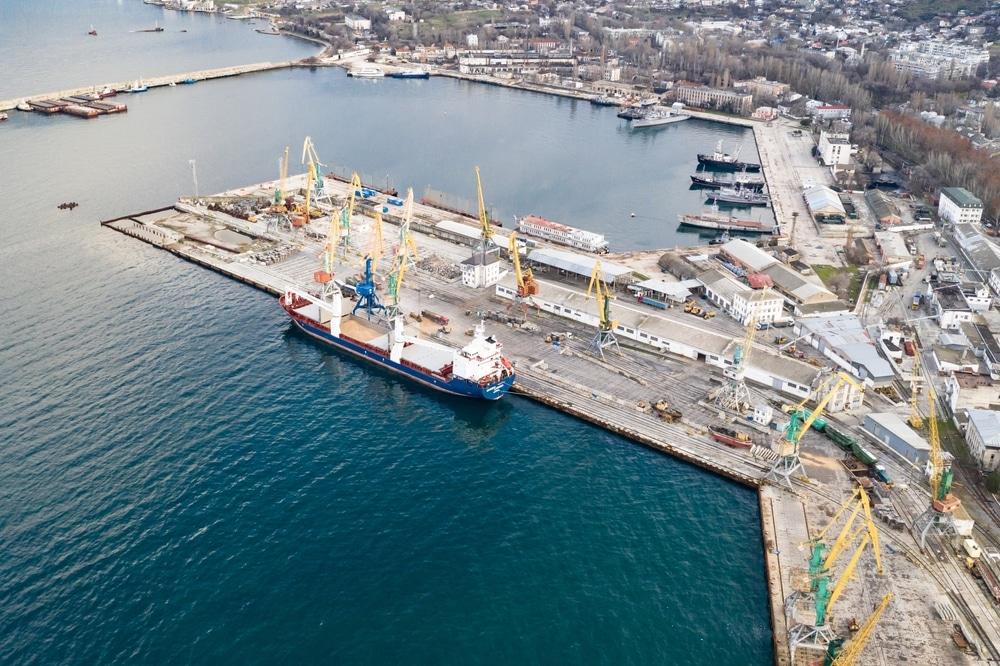
Ukraine launched one of its largest long-range strike waves of the war. The strikes targeted key Russian military logistics, including the Sverdlov ammunition plant in Russia’s Nizhny Novgorod region. An oil terminal in occupied Crimea was also hit during the operation.
“Ukrainian forces recently launched long-range drone and missile strikes on key Russian military and industrial targets, including the Sverdlov ammunition plant in Russia’s Nizhny Novgorod region, an oil terminal in Crimea, and an ammunition depot of Russia’s 18th Combined Arms Army. These attacks caused explosions and fires, intensifying pressure on Russian military logistics. Russia acknowledged a large-scale Ukrainian drone attack across multiple regions but claimed to have intercepted most drones.”
Additionally, an ammunition depot of Russia’s 18th Combined Arms Army was targeted. Multiple outlets reported explosions and fires at the targeted sites. Russian authorities acknowledged a large multi-region barrage but claimed to have intercepted most drones.

They reported no confirmed damage at the ammunition plant. The operation combined Ukrainian drones and missiles. It was described as a major escalation aimed at disrupting Moscow’s supply lines deep inside Russian territory.
Ukraine's Defense Production Strategy
Kyiv says the operation relied exclusively on Ukrainian-made weapons and reflects a broader strategy of self-reliance.
President Volodymyr Zelenskyy aims for Ukraine to produce at least half of its frontline needs by year’s end, with over 40% already domestically produced or co-produced.

Officials highlight a surge in artillery output, with Bohdana self-propelled systems reportedly rising from 10 units in April 2024 to about 40 per month.
There are plans to export surplus weapons to Europe, the U.S., and the Middle East to finance purchases of advanced systems Ukraine cannot yet make, such as U.S. Tomahawk cruise missiles or Patriot air defenses.
Ukraine is also sharing drone technology with European allies and discussing cooperation with the U.S., underscoring a growing industrial base behind the strikes.
Ukraine's Strategic Strikes on Russia
Strategically, the strikes aim to disrupt Russia’s war logistics and fuel supplies while exerting political and social pressure. Local Western outlets connect earlier Ukrainian attacks on refineries to fuel shortages within Russia and suggest that Ukraine’s drone-focused tactics have slowed Russian advances.
“Ukraine’s long-range strikes on Russian fuel facilities have contributed to fuel shortages in Russia. To counter Russia’s larger military, Ukraine has focused on improving domestic weapons production, especially drones... Despite Russia’s superior size, Ukraine’s advanced drone technology and growing defense manufacturing have helped slow Russian advances amid uncertainty over Western military support.”
Asian media portray the campaign as part of a larger effort toward self-reliant defense manufacturing that pressures Moscow militarily, politically, and socially. Meanwhile, DW’s coverage broadens the perspective to include Europe’s security and information conflicts, reporting a German accusation of Russian "hybrid war" and highlighting simultaneous Russian attacks on Ukrainian civilians during the same news cycle.
Conflicting Drone Attack Reports
Russian authorities claimed they downed 251 drones across 14 regions. They reported no damage at the Nizhny Novgorod industrial zone. Ukraine’s General Staff reported multiple explosions and a fire at the Sverdlov plant.
Several Western outlets noted that Russia acknowledged a large-scale barrage but claimed to intercept most drones. Others pointed out the absence of independently confirmed damage at the plant. The differing accounts of numbers and damage highlight the fog of war and the competing claims from both sides.

Ukraine's Expanding Weapons Ecosystem
Behind these strikes is a rapidly scaling weapons ecosystem. Kyiv Post reports the Fire Point Flamingo cruise missile is at one per day now, with plans for seven per day by October. Broader funding may draw on dozens of bilateral agreements.
“The Ukrainian manufacturer Fire Point currently produces one Flamingo cruise missile per day, with plans to increase production to seven per day by October. This information was shared by Iryna Terekh, head of production at Fire Point.”
Local Western and other outlets add that export agreements for surplus arms to Europe, the U.S., and the Middle East are already in place or planned. Proceeds from these exports will bankroll high-end systems Ukraine cannot produce.
Coverage varies on timelines—some say exports and self-sufficiency milestones will be reached in 2024, while others push the 50% domestic production goal to 2025. There is also variation on which Western capabilities Ukraine is seeking first, ranging from Tomahawks to Patriots.