Ukraine War22 October, 20252 min read
Ukraine Strikes Russian Chemical Plant with British Storm Shadow Missiles, Targeting Military Arsenal
Ukraine used British Storm Shadow missiles to strike a chemical plant in Bryansk, Russia. The targeted plant produces gunpowder, explosives, and rocket fuel components for Russia’s military.

12 outlets told this the same way.
Outlets did split on Russian Attack Kills At Least 33 On Two Buses In Kramatorsk →
Ukraine's Strike on Russian Facility
Ukraine struck deep into Russia with British-supplied Storm Shadow cruise missiles, hitting the Bryansk Chemical Plant. Ukraine says the plant produces gunpowder, explosives, and rocket fuel for Russia’s war effort. Ukraine’s General Staff described the attack as a “precision strike” and a “successful” hit that “penetrated Russian air defenses.”
“Ukraine’s military confirmed it conducted a precision strike on the Bryansk Chemical Plant in Russia using British-supplied Storm Shadow cruise missiles.”
They framed it as a significant blow to Russia’s military-industrial complex. Western mainstream coverage ties the attack to Kyiv’s broader campaign against critical Russian military infrastructure.

Tabloid reporting highlights dramatic reactions inside Russia, with pro-Kremlin sources calling the strike a “disaster.” Some outlets add that Russian officials have not publicly acknowledged the strike even as tensions escalate.
Russian Attacks on Ukraine
In the aftermath, Russia launched large drone and missile barrages across multiple Ukrainian regions, killing civilians and knocking out power. Reports cite at least six deaths, including children, with thermal power plants targeted and emergency outages in Kyiv and Dnipropetrovsk.
Some coverage adds specific incidents like a Russian drone strike on a Kharkiv nursery that left one person dead and seven injured. Tabloid outlets detail ages of victims and broader NATO reactions, while other reports keep focus on the strikes’ scope and infrastructure damage.
Diplomatic and Military Developments
The strike and its aftermath unfolded alongside high-stakes diplomacy.
“The attack coincided with a joint statement from UK, European, and Ukrainian leaders pledging to increase pressure on Russia’s economy and defense industry.”
UK and European leaders issued a joint pledge to increase pressure on Russia’s economy and defense industry.
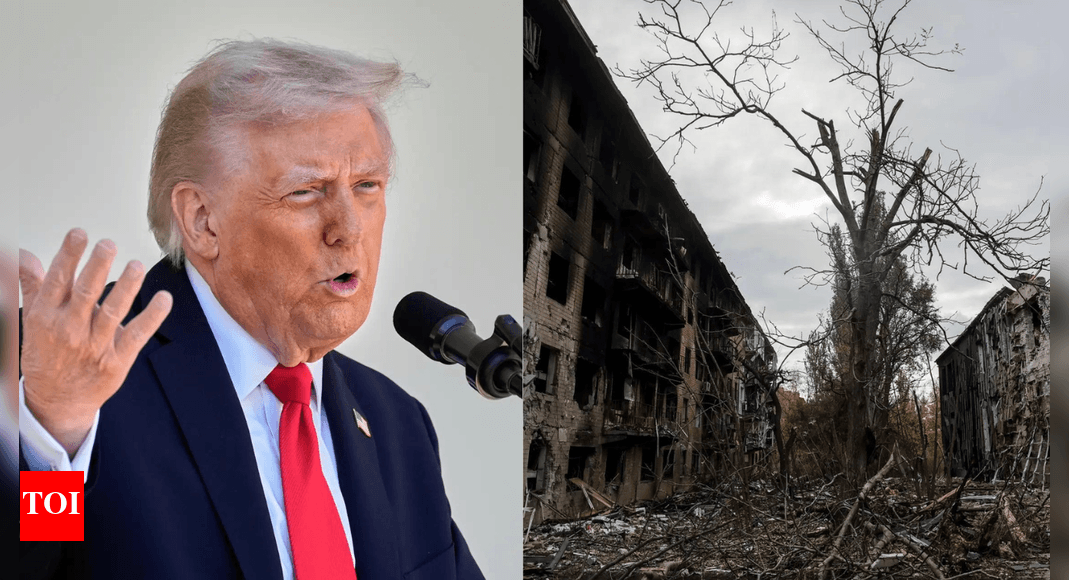
Reports indicate former U.S. President Donald Trump refused to approve the transfer of Tomahawk long-range missiles to Ukraine.
A proposed Trump-Putin summit was canceled.
Newsweek reports that Zelensky called for a freeze of the front lines to enable negotiations, which the Kremlin refused.
The report also describes Washington’s balancing act between peace efforts and ongoing military aid.
Sky News notes that Zelensky publicly responded to Trump’s proposed compromise to end the war.
Military Tensions and Responses
Escalation risks are highlighted across various news outlets. Arise News reports Moscow’s warnings to Western countries against supplying long-range weapons such as Storm Shadow. The US Sun covers the Kremlin’s outrage and threats to retaliate with a hypersonic Oreshnik missile capable of evading interception.
Metro.co.uk states that NATO deployed fighter jets from Romania to strengthen air policing near the Danube. This deployment comes amid widespread condemnation of Russia’s strikes as violations of international law.
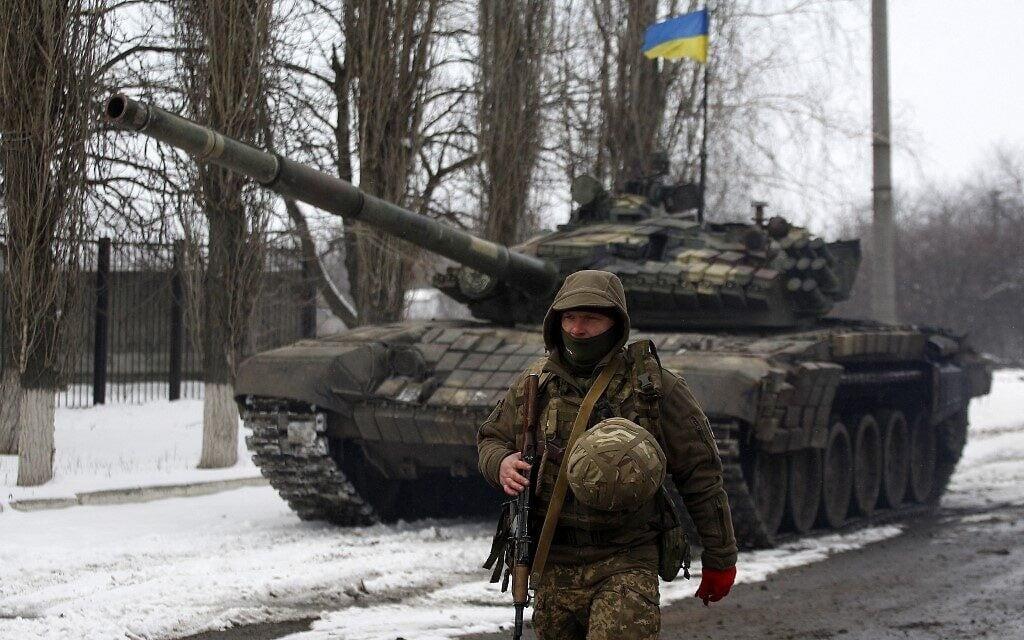
Sky News provides analysis contrasting Ukraine’s targeted strikes with Russia’s broader approach. The coverage reflects how different media outlets interpret military signaling and alliance responses.
Ukraine's Targeted Military Strikes
Several outlets report that Ukraine is conducting a targeted campaign to weaken Russia’s military arsenal and supply lines. Ukraine’s military describes the Bryansk strike as part of an operation against Russia’s military-industrial infrastructure. Officials in Asian and African media emphasize the significance of targeting such facilities.
“The plant, which produces gunpowder, explosives, and rocket fuel components for missiles and ammunition used against Ukraine, was targeted as part of an operation against Russia’s military-industrial infrastructure.”
Western tabloid reports add that Ukraine has also struck an explosives plant in Saransk and an oil depot in Makhachkala. Western mainstream coverage highlights that despite ongoing diplomatic efforts, Kyiv is likely to continue attacking critical infrastructure amid uncertainty over any ceasefire.
