Ukraine War24 September, 20252 min read
Ukraine Strikes Russia’s Largest Petrochemical Plant in Bashkortostan with Long-Range Drones, Igniting Major Fire
This article is an automated aggregation of coverage from news outlets. Our editorials offer in-depth analysis curated by the NewsCord team.
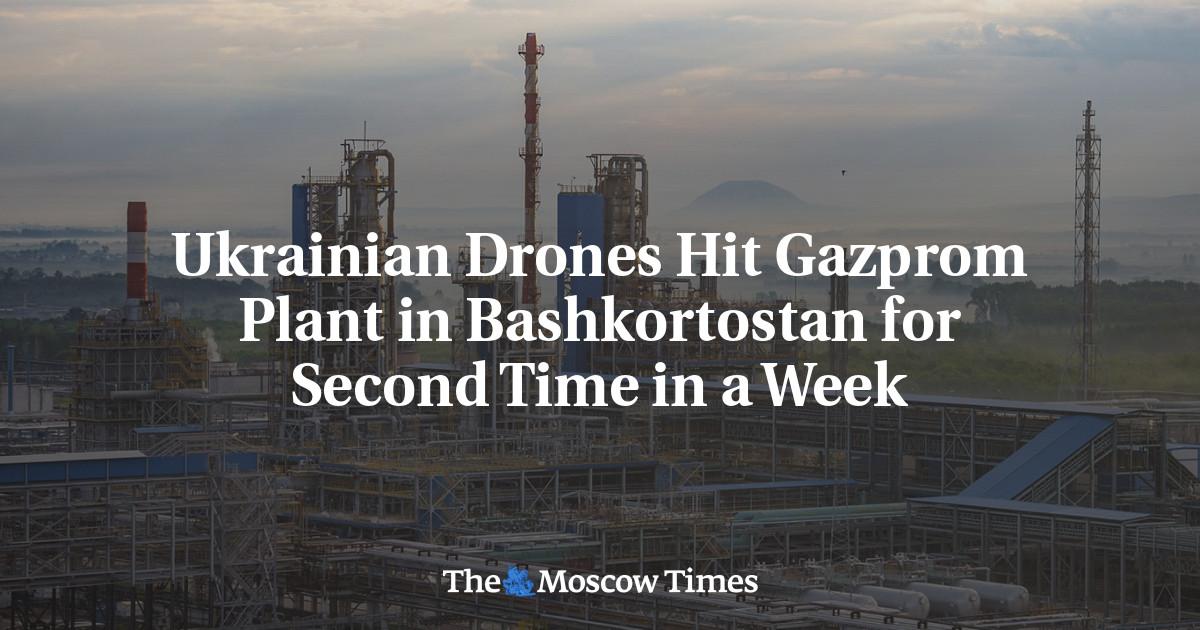
Ukrainian drones struck Gazprom Neftekhim Salavat petrochemical plant twice within one week. The attacks ignited a major fire and forced emergency response at the Bashkortostan refinery.
12 outlets told this the same way.
Outlets did split on Russian Attack Kills At Least 33 On Two Buses In Kramatorsk →
Drone Strike on Russian Facility
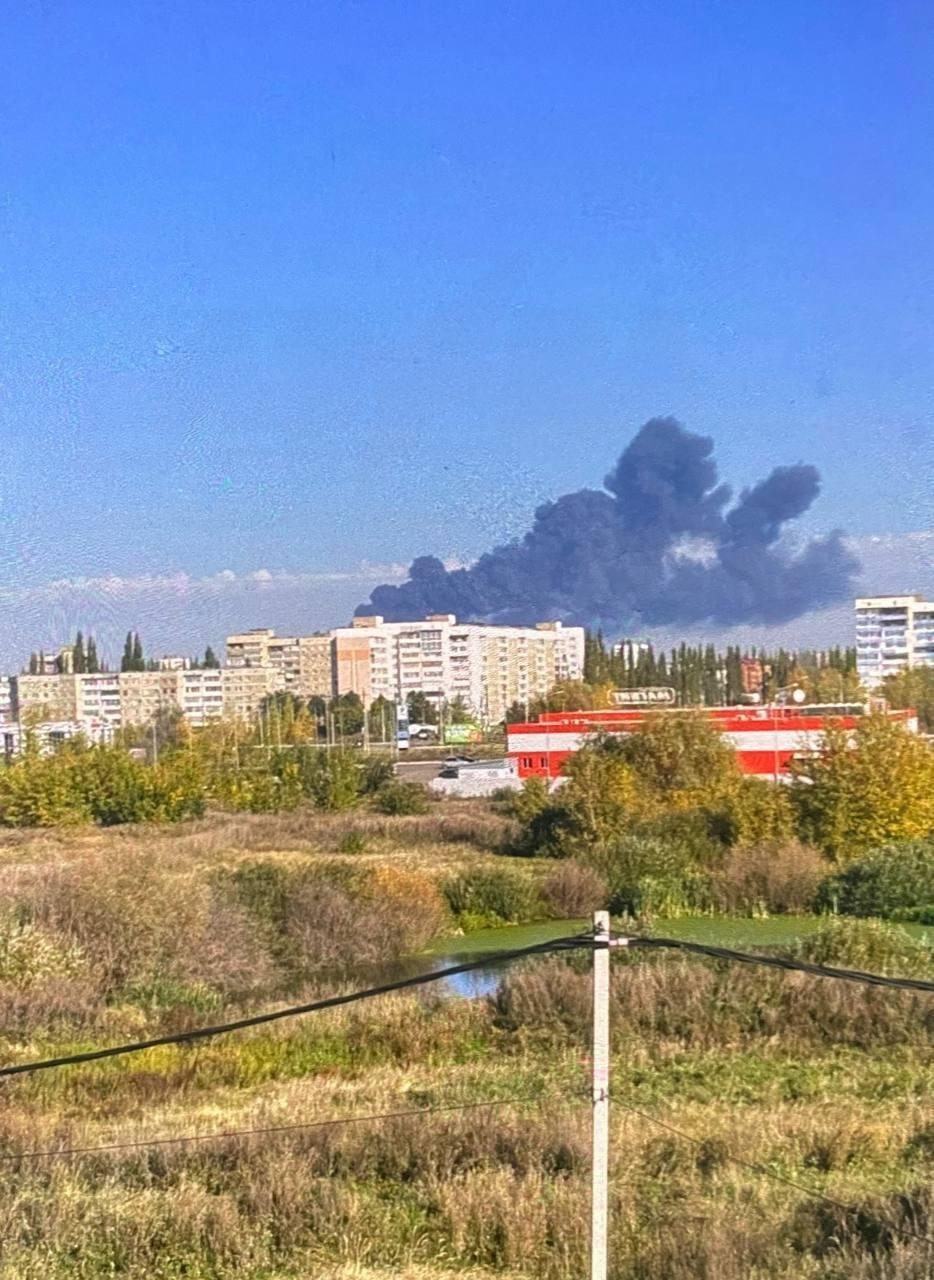
Ukrainian long-range drones struck the Gazprom Neftekhim Salavat petrochemical complex in Russia’s Bashkortostan for the second time in under a week. The attack ignited a major fire and triggered an emergency response while authorities assessed the damage. Multiple outlets emphasize the extraordinary range and repetition of the strike, with some describing it as over 1,000 km from the border or front line, and others as nearly 1,000 miles.
“Ukrainian drones conducted a long-range strike nearly 1,000 miles into Russian territory, targeting the Neftekhim Salavat oil refinery in Bashkortostan for the second time in a week.”
Local officials confirmed active firefighting efforts at the site. Several reports attribute the operation to Ukraine’s Security Service (SBU).

Details on Russian Refinery Strike
The site’s strategic significance is underscored by its scale and output. It is described as one of Russia’s largest refineries producing over 150 petroleum and chemical products. Some sources rank it specifically as the country’s 10th-largest refinery.
Technical reports indicate the latest strike hit the ELOU-AVT-6 primary distillation unit. A previous strike disabled the ELOU-AVT-4 unit.
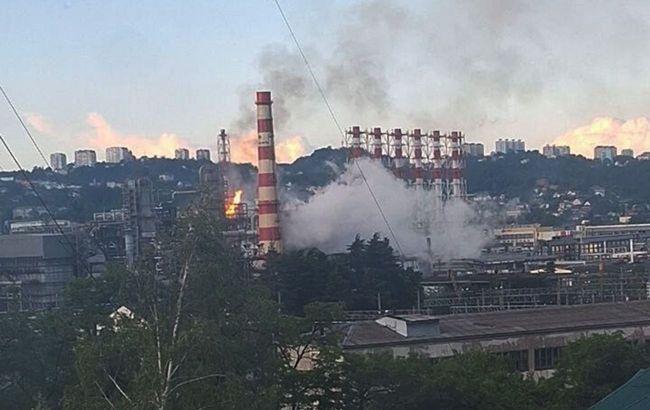
The plant’s design capacity is cited at 10 million tons per year. Distances reported for the facility range from about 1,300 to 1,400 kilometers from Ukraine, reflecting varying measurements across outlets.
Ukrainian Attacks on Energy Sites
The attack is part of a broader Ukrainian campaign against Russian energy infrastructure. Multiple outlets report that at least 10 refineries and export terminals have been targeted in recent months. Assessments of these attacks range from significant economic impact to concrete reductions in refining capacity and fuel availability.
“Ukraine has intensified attacks on Russian energy infrastructure recently, targeting at least 10 refineries since early August, which has forced Russia to reduce refining capacity by nearly 20% and caused gasoline shortages and price spikes.”
Some sources link the Salavat strike to parallel hits on the Astrakhan gas plant and oil pumping stations in Volgograd. These combined attacks have contributed to gasoline shortages, especially at private stations. Other sources suggest more dramatic claims about reductions in fuel supply and impacts on exports.
Energy Site Attacks Update
Officials and local authorities reported ongoing firefighting and damage assessment after the strike. The regional governor confirmed the incident. While some outlets reported no casualties, others said information was not yet available.
Reporting also referenced earlier blasts at the same facility six days prior and separate attacks in Ufa earlier this month. These events underscore a sustained operational tempo against Bashkortostan’s energy sites.
Perspectives on Energy Strikes
Strategically, sources frame the campaign in divergent ways. Some emphasize economic pain and fuel shortages. Others highlight a bid to cripple Russia’s war‑funding energy infrastructure.
“Ukraine has recently intensified drone strikes on Russian oil and gas infrastructure... amid stalled peace talks.”
A few add political or technical angles. Daily Express portrays a “two‑front war” and a “strategic escalation” aimed at crippling Moscow’s energy network. The Straits Times and The Star emphasize economic disruption and stalled peace talks.
Kyiv Post and ubn.news tie the Salavat strike to shutdowns at Astrakhan and longer operational delays. Мілітарний adds granular industrial details. The Moscow Times embeds a note about Russia’s crackdown on independent journalism, an unusual context amid strike coverage.