Ukrainian Drones Hit 14 Russian Vessels in Sea of Azov, Fuel Crisis Spreads
Key Takeaways
- Ukrainian drones hit many Russian ships in the Sea of Azov, including oil tankers.
- Twelve Russian oil tankers were hit overnight, disrupting fuel supplies.
- Campaign aims to disrupt fuel routes to Crimea and isolate Moscow-occupied Crimea.
Azov tankers hit
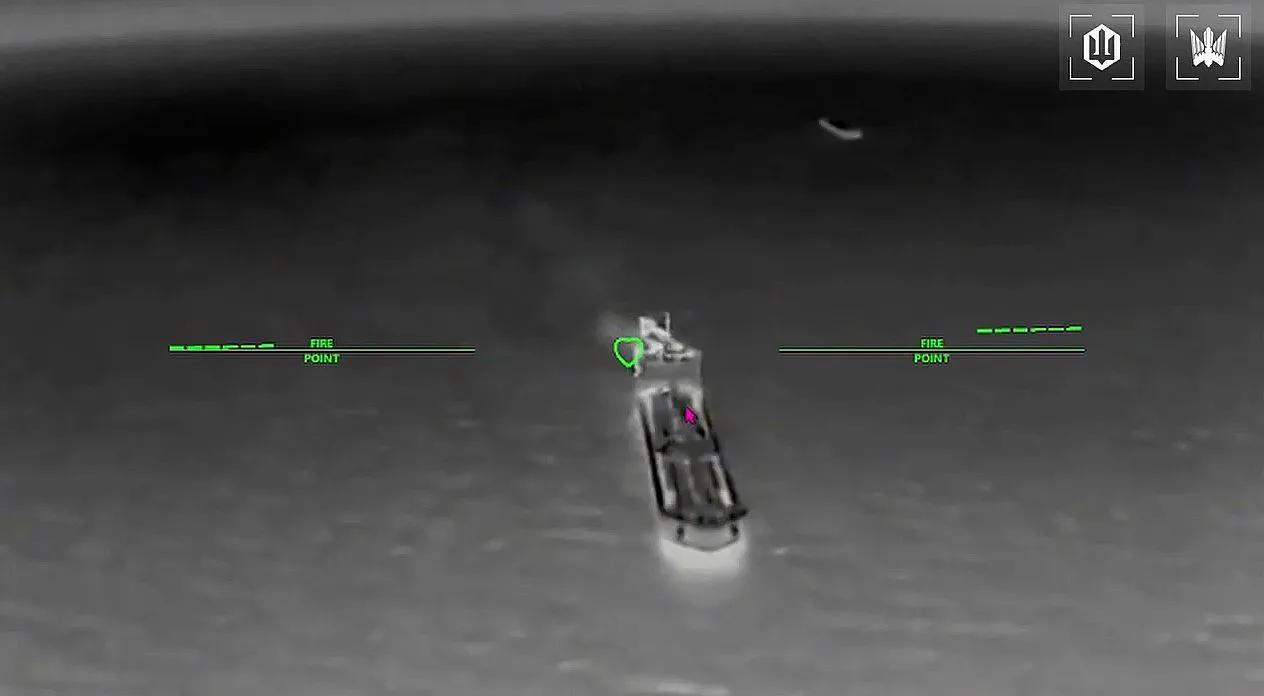
Ukrainian drones struck additional Russian oil infrastructure and set two tankers on fire in the Sea of Azov, with RSI saying the attacks came the day after U.S. President Donald Trump pledged to grant Ukraine a license to produce Patriot air-defense systems.
“- Published Ukraine's military has intensified its attacks near Russian-annexed Crimea, following up strikes on Russia's land corridor to the peninsula by targeting maritime supply routes as well”
RSI reported that 14 Russian vessels were hit in the Sea of Azov in the night of 9 July, and it said the Ukrainian attacks on Russian refineries, “ghost” tankers and other infrastructure triggered a generalized fuel crisis with reports of gasoline shortages and rationing across multiple Russian regions.
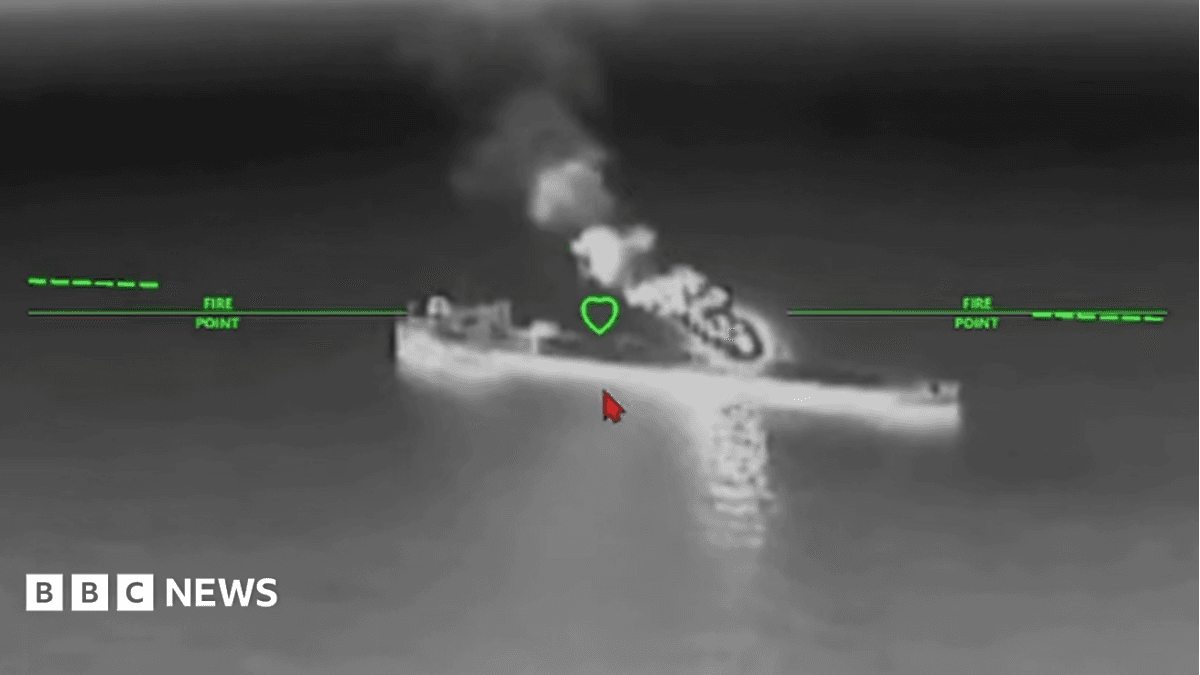
In parallel, Kyiv’s drone campaign against maritime logistics intensified, with the Kyiv Post reporting that Robert “Madyar” Brovdi’s Unmanned Systems Forces targeted 12 tankers, one dry cargo ship and one tugboat overnight into Thursday, July 9.
The Kyiv Post also said Brovdi wrote that Ukraine struck 35 tankers, dry cargo ships and support vessels over the past 96 hours, and it quoted his claim that Russia’s “shadow fleet” was “thinning.”
CBC said Ukraine’s military hit a dozen more Russian tankers in the Sea of Azov overnight, bringing the number of vessels targeted in the Sea of Azov and the Black Sea over the past four days to 36, including 32 shadow fleet tankers and two dry cargo ships.
Voices and numbers diverge
Ukraine’s maritime strikes were framed by different outlets with different totals, with CBC saying Ukraine’s Defence Ministry counted 36 vessels targeted over four days, while the BBC said Ukraine’s military talked of 36 ships hit and that most belonged to Russia’s “shadow fleet.”
The BBC also quoted Ukraine’s drone force commander Robert Brovdi, also known as Magyar, saying at least 25 ships had been hit and set on fire over the past four days in the Sea of Azov.

RSI tied the attacks to a wider pressure campaign, stating that the drone strikes aimed to disrupt fuel supplies to the occupied Crimea and that the attacks coincided with a NATO summit in Ankara where Volodymyr Zelenskiy met Donald Trump to discuss licenses for air-defense interceptors.
In the same RSI account, it said the Russian Aeronautics claimed that between the late evening of Wednesday and the early hours of Thursday, air defenses had shot down 73 Ukrainian drones, while Ukraine’s Aeronautics said Russia launched 94 long-range attack drones and two ballistic missiles.
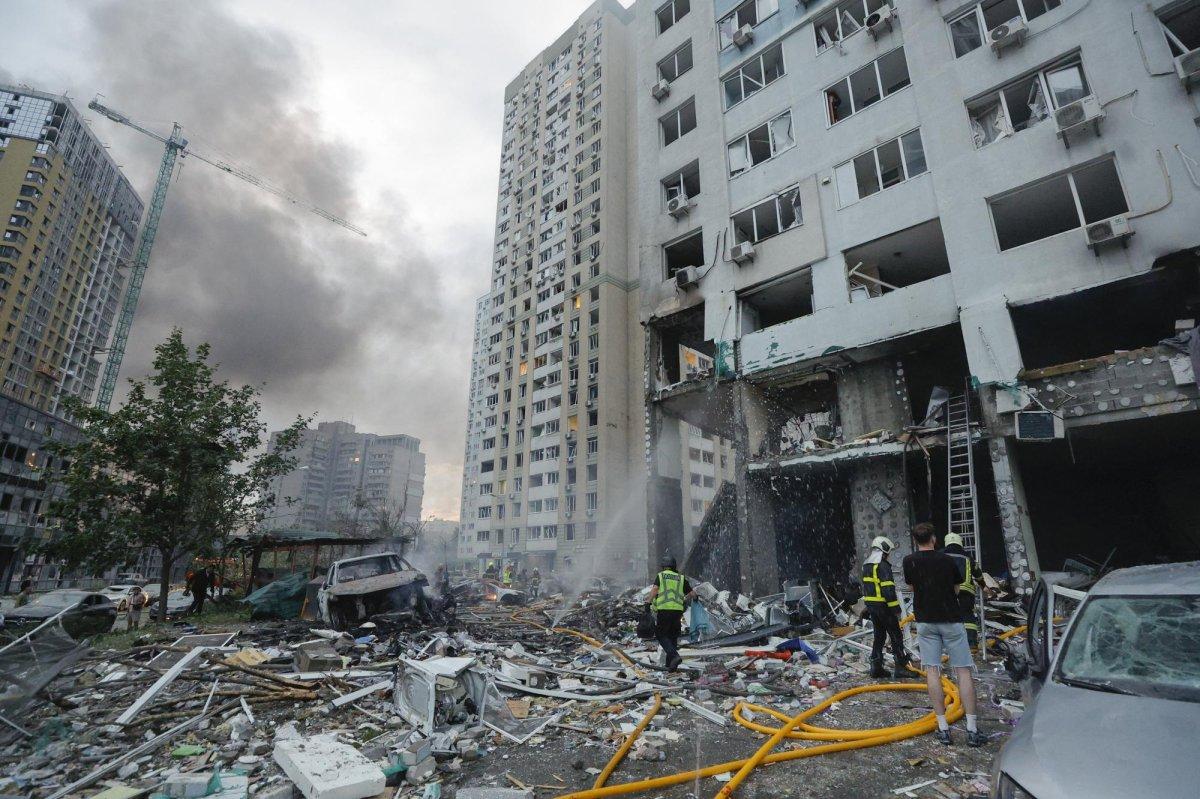
RSI reported that the Russian strikes included attacks on large cities, saying that during the day on Wednesday drones caused the death of at least three people, and it added that a wave of drones hit a 25-storey building in Kyiv, according to mayor Vitali Klitschko.
What comes next
The campaign’s stated purpose was to choke off fuel and logistics routes into and out of occupied Crimea, with the BBC describing Ukraine’s “logistics lockdown” as targeting maritime supply routes after strikes on Russia’s land corridor to the peninsula.
CBC said the vessels were used to supply fuel to Russian military units and to transport oil and petroleum products in circumvention of international sanctions, and it added that Ukraine’s Defence Ministry said the targeted ships were trying to deliver fuel to Crimea.
RSI described the broader impact inside Russia as a generalized fuel crisis, with motorists forced to wait for hours to refuel and, in many regions, fuel limited to “una ventina di litri.”
The BBC linked the maritime losses to the wider fuel shortage picture, saying the attacks coincide with continued strikes on Russian oil refineries that have caused widespread fuel shortages across the country including in Moscow and St Petersburg.
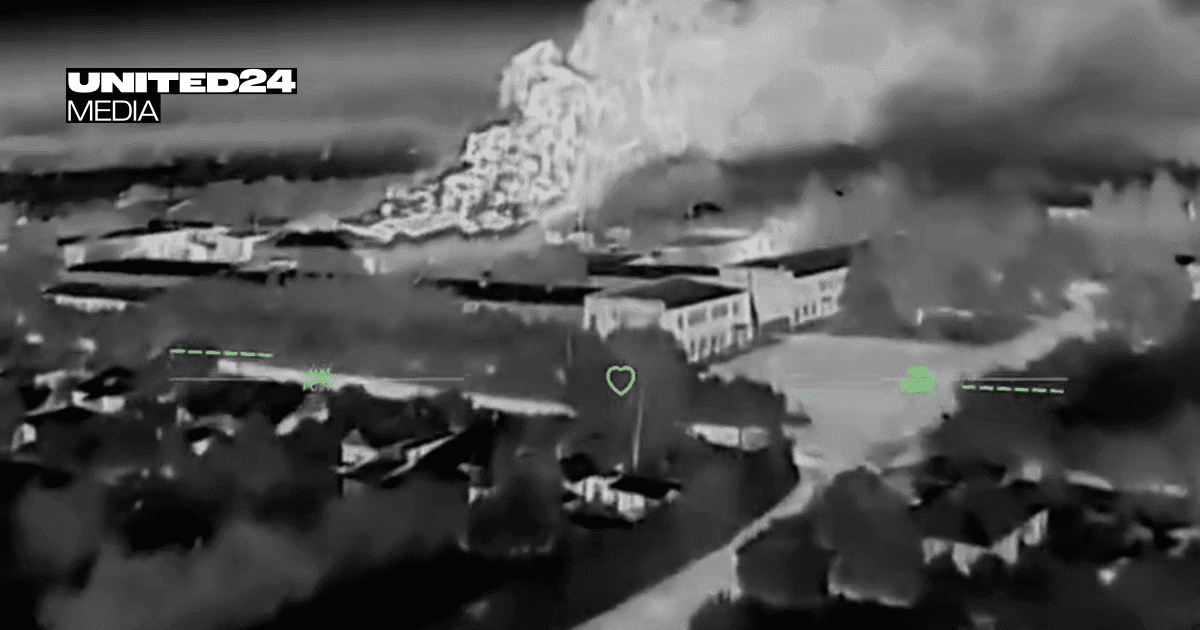
In Kyiv’s broader campaign, United24 Media reported that on July 8 Ukraine’s Unmanned Systems Forces struck the “main entry point of power supplied from Russia to the peninsula,” and it said Brovdi announced “Crimean switch off” after targeting the Kuban–Crimea energy bridge and multiple substations.
More on Ukraine War
Ukrainian Drones Strike Russian Oil Facilities, Burning Tankers in Sea of Azov
29 sources compared

Trump Says US Will License Ukraine to Produce Patriot Air Defense Systems in Ankara
37 sources compared

NATO Accelerates Anti-Drone Measures, Mark Rutte Says After Defense Ministers Meeting
14 sources compared
Russian Missile And Drone Attacks Kill At Least 14 In Kyiv Before NATO Summit
26 sources compared